
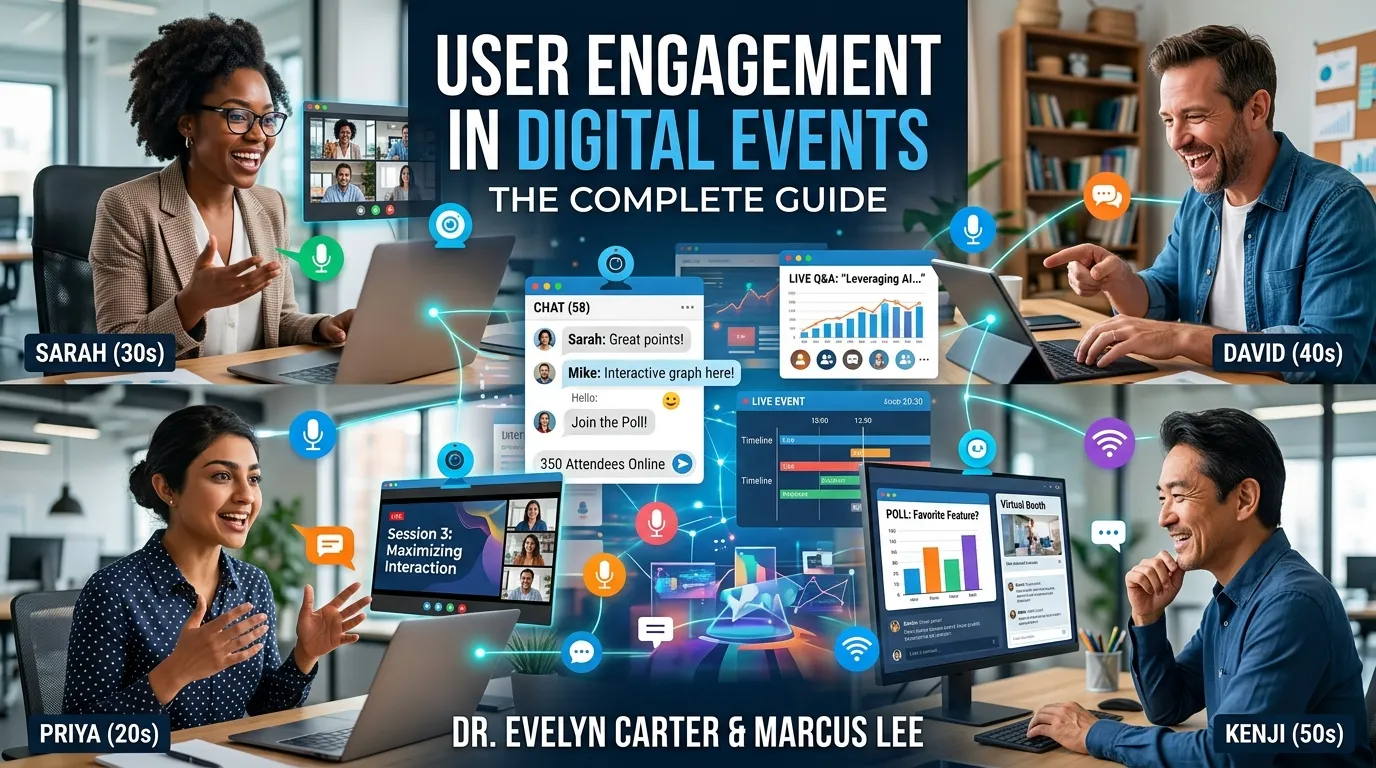
User engagement in digital events focuses on how audiences interact, participate, and stay active during online sessions. Strong engagement strategies like polls, Q&A, and interactive content improve participation, boost retention, and create more meaningful virtual event experiences.
User engagement in digital events means turning passive viewers into active participants through interactive, personalized experiences before, during, and after the event—driving higher satisfaction, retention, and ROI.
Digital events have moved from a backup plan to a core part of how organizations connect, teach, and sell. Webinars, virtual conferences, and online workshops now reach audiences that no physical venue ever could. But reach alone means nothing if attendees tune out after five minutes.
User engagement in digital events is the difference between a forgettable broadcast and an experience people talk about for weeks. When attendees actively participate—asking questions, voting in polls, networking, and competing in challenges—they retain more, return more often, and bring others with them. When they don’t, they multitask, drift away, and rarely come back.
This guide breaks down exactly how to increase engagement in virtual events at every stage. You’ll learn practical digital event participation strategies, the technology that powers them, best practices for audience engagement in online webinars, and the metrics that prove what’s working. Whether you run small training sessions or large-scale virtual summits, these strategies will help you keep people watching, clicking, and coming back.
Why does user engagement in digital events matter so much?
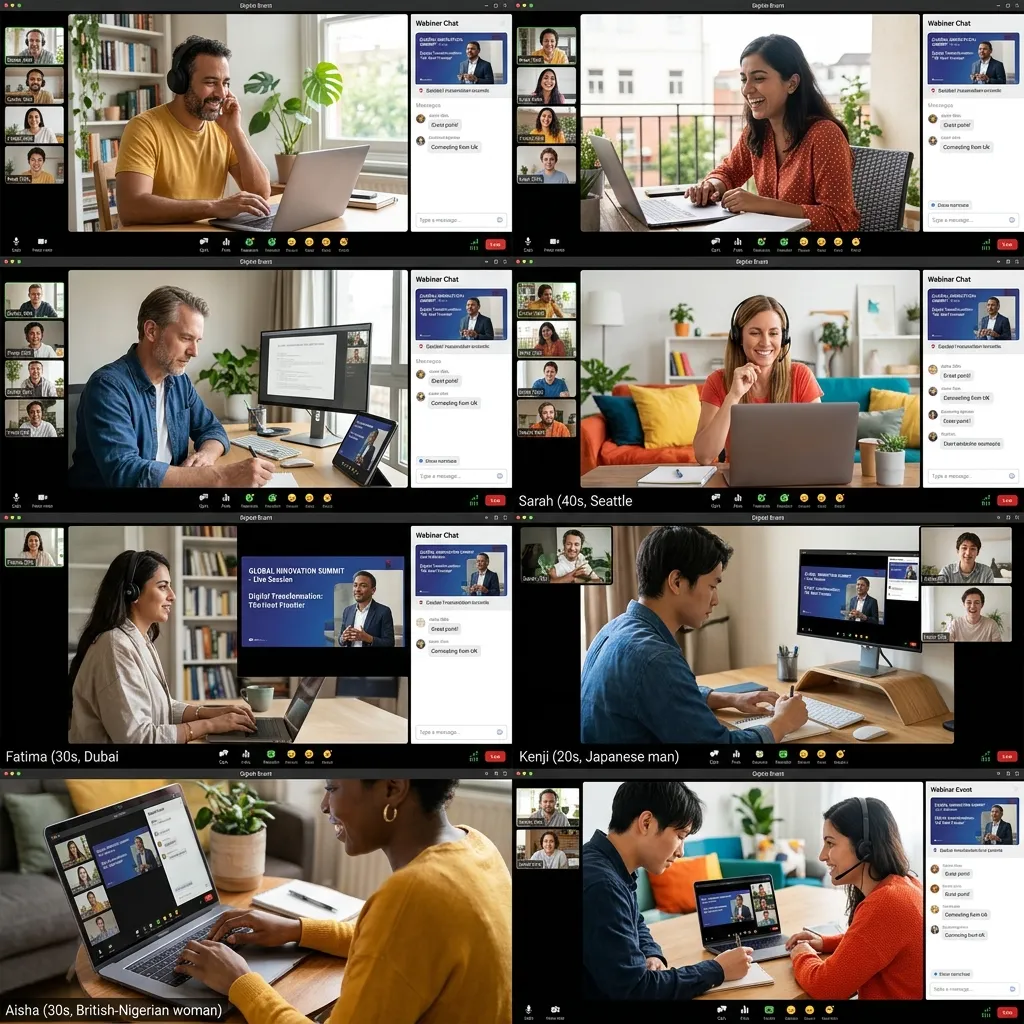 User engagement in digital events directly determines whether your event succeeds or fails. An attendee who simply leaves a tab open in the background gains little and remembers less. An engaged attendee absorbs your message, builds connections, and becomes an advocate for future events.
The stakes are high because digital attention is fragile. At an in-person event, social pressure and physical presence keep people in their seats. Online, a single notification can pull someone away for good. That’s why active participation isn’t a bonus feature—it’s the foundation of every successful virtual event.
Engagement also fuels measurable business results. Engaged attendees are far more likely to fill out post-event surveys, respond to follow-up offers, and register for your next event. The same principle applies across the broader event industry: as covered in this guide on improving attendee experience at events, designing around the audience—not the agenda—is what drives satisfaction and repeat attendance.
Understanding the landscape of digital events
Before you can boost engagement, you need to understand the formats you’re working with and the obstacles standing in your way.
What are the main types of digital events?
Digital events come in several formats, each with its own engagement demands:
- Webinars: Typically one-to-many presentations focused on education or product demos. They’re easy to scale but risk becoming passive lectures.
- Virtual conferences: Multi-session, multi-day events with keynotes, breakouts, and networking. They demand sustained engagement across a longer timeframe.
- Online workshops: Smaller, hands-on sessions built around skill-building. Interaction is the whole point, so engagement is naturally higher.
Why is it so hard to hold an online audience’s attention?
The biggest challenge in digital events is competition for attention. Every attendee sits inches away from email, social media, and a dozen other distractions. There’s no usher to quiet the room and no social awkwardness in slipping away.
On top of that, screen fatigue sets in fast. Back-to-back video calls leave people drained, so a long, static presentation feels like a chore. The fix is variety—mixing formats, voices, and interactive moments to reset attention every few minutes.
The shift from passive viewing to active participation
The most important mindset change for organizers is moving away from broadcasting. A successful digital event isn’t something attendees watch; it’s something they do. Every poll, chat message, and breakout room transforms a spectator into a contributor—and contributors stay engaged.
How to increase engagement in virtual events at every stage
The strongest digital event participation strategies span the full event lifecycle. Engagement doesn’t start when you go live—it starts the moment someone registers.
Pre-event engagement: building anticipation
What you do before the event sets the tone for everything that follows. Excited, prepared attendees show up ready to participate.
Send personalized invitations and reminders. Generic mass emails get ignored. Messages that use the attendee’s name, reference their interests, and highlight relevant sessions cut through the noise. A clear reminder sequence—one week out, one day out, one hour out—keeps your event top of mind.
Run social media campaigns and teasers. Build buzz with speaker spotlights, sneak peeks, and countdown posts. A dedicated event hashtag lets attendees connect before the event and signals momentum to anyone on the fence.
Use pre-event surveys and polls to tailor content. Ask attendees what they want to learn before you finalize the agenda. This shapes content that actually lands and makes guests feel heard from the start.
During-event engagement: interactive elements
This is where engagement is won or lost. The goal is to give attendees something to do every few minutes.
- Live Q&A sessions and polls: Real-time questions and instant polls turn a monologue into a conversation. They also give shy attendees a low-pressure way to participate.
- Breakout rooms and networking: Small-group discussions recreate the hallway conversations people miss online. Structured networking beats hoping connections happen on their own.
- Gamification: Quizzes, points, and leaderboards tap into friendly competition. Rewarding participation drives the exact behaviors you want to see.
- Interactive content formats: Live demos, virtual tours, and hands-on exercises keep attendees leaning in rather than zoning out.
- Chat functions and reactions: A lively chat feed and emoji reactions create a sense of community and give everyone a voice—even those who’ll never unmute.
Post-event engagement: sustaining the connection
The event isn’t over when the stream ends. Follow-up determines whether attendees return.
Send follow-up emails with resources and recordings. Share slides, session recordings, and bonus materials promptly. This extends the event’s value and gives people a reason to revisit your content.
Use post-event surveys for feedback and planning. Ask what worked and what didn’t. Honest feedback is one of the most reliable tools for improving every future event.
Build community and continue discussions. Keep the conversation alive through online groups, newsletters, and smaller follow-up sessions. A living community turns one-time attendees into long-term members.
Leveraging technology for better digital event participation strategies
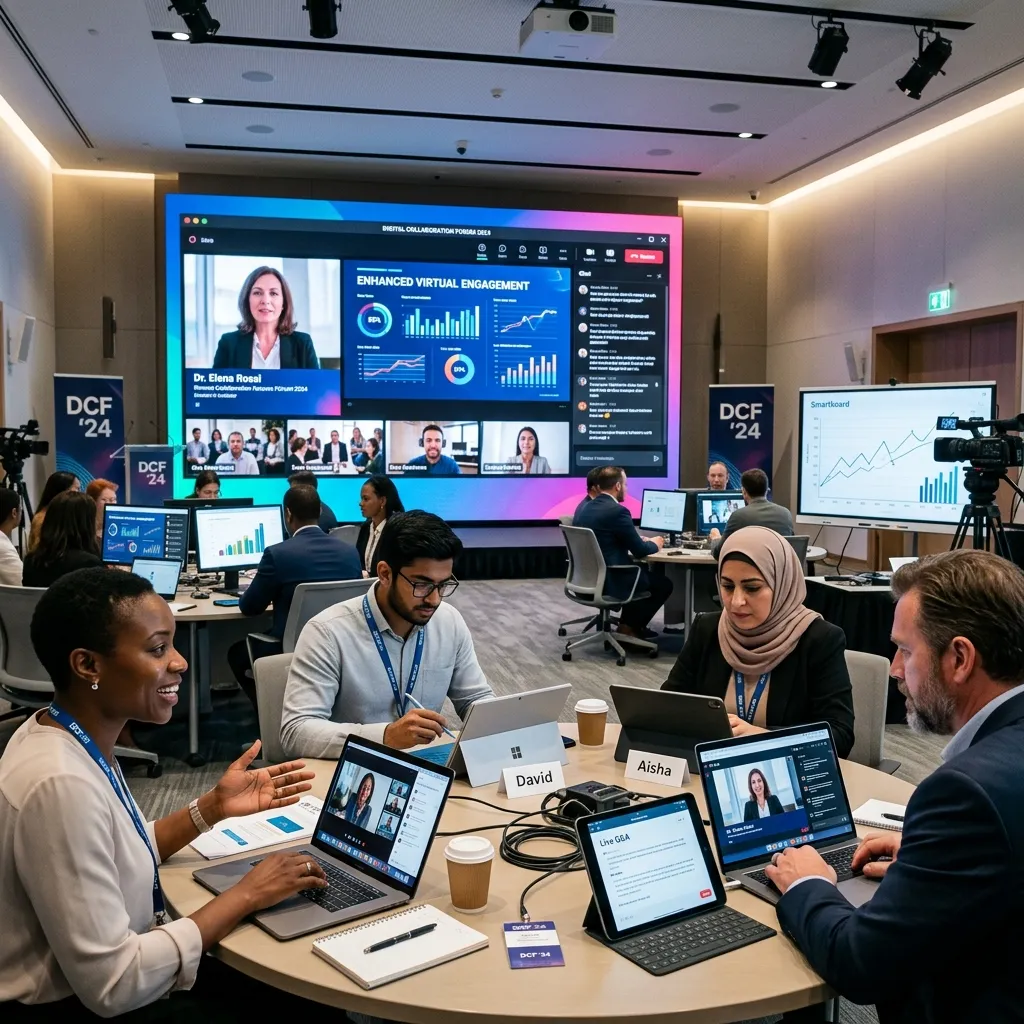 The right technology removes friction and unlocks engagement you simply can’t achieve manually.
How do you choose the right event platform?
Your platform is the foundation of the entire experience. Look for reliable streaming, intuitive navigation, and built-in interactive features like polls, chat, and breakout rooms. A clunky platform creates frustration before your first speaker says a word—much like a confusing checkout, as explored in this research on how users interact with event ticketing platforms, where small points of friction drive people away.
Can AI improve personalization in digital events?
Yes. AI-powered tools analyze attendee behavior to recommend relevant sessions, suggest networking matches, and surface content tailored to individual interests. Personalized recommendations make large events feel intimate, which directly increases participation.
How do analytics improve future engagement?
Every click, poll response, and session view generates data. Tracking which sessions fill up, where drop-off happens, and how attendees use the chat reveals exactly what to improve. Data-driven insights replace guesswork with a clear roadmap for your next event.
Best practices for audience engagement in online webinars
Webinars carry the highest risk of becoming passive, so they demand deliberate engagement design.
Structure content in short, digestible segments
Break your webinar into focused segments of 10 to 15 minutes, each followed by an interactive moment—a poll, a question, or a quick demo. This rhythm resets attention and prevents the dreaded mid-webinar drop-off.
Train speakers on presentation skills
Even great content falls flat with a flat delivery. Coach presenters to speak to the camera, vary their tone, and invite interaction directly (“Drop your answer in the chat right now”). Confident, energetic speakers keep audiences engaged.
Plan for technical reliability
Nothing kills engagement faster than frozen video or broken audio. Invest in quality microphones and cameras, test your setup in advance, and always have a backup plan—a secondary internet connection, a co-host ready to step in, and pre-recorded content on standby.
Real-world examples of successful digital event engagement
The most engaging digital events share a common thread: they treat attendees as participants, not spectators. A software company running a product webinar might open with a live poll on attendees’ biggest challenges, then tailor the demo to the top answers. A virtual conference might assign attendees to themed breakout rooms based on their pre-event survey responses, sparking instant relevant connections.
Workshop hosts often use gamified challenges—awarding points for completing exercises and displaying a live leaderboard—to keep energy high across a multi-hour session. In each case, the format adapts to the audience, proving that the right engagement strategy always depends on the right context.
Measuring success: key metrics for user engagement
You can’t improve what you don’t measure. The right metrics show exactly where you’re winning and where you’re losing attention.
Attendance rates vs. active participation
Registration and attendance numbers tell you interest, but active participation tells you engagement. Track how many attendees actually voted in polls, asked questions, or joined breakout rooms—not just how many logged in.
Interaction rates
Count chat messages, poll responses, reactions, and Q&A submissions. High interaction rates signal a genuinely engaged audience, while silence is an early warning sign.
Feedback scores and satisfaction
Post-event surveys and Net Promoter Score reveal how attendees felt overall. Pair quantitative scores with open-ended comments to understand the “why” behind the numbers.
The future of user engagement in digital events
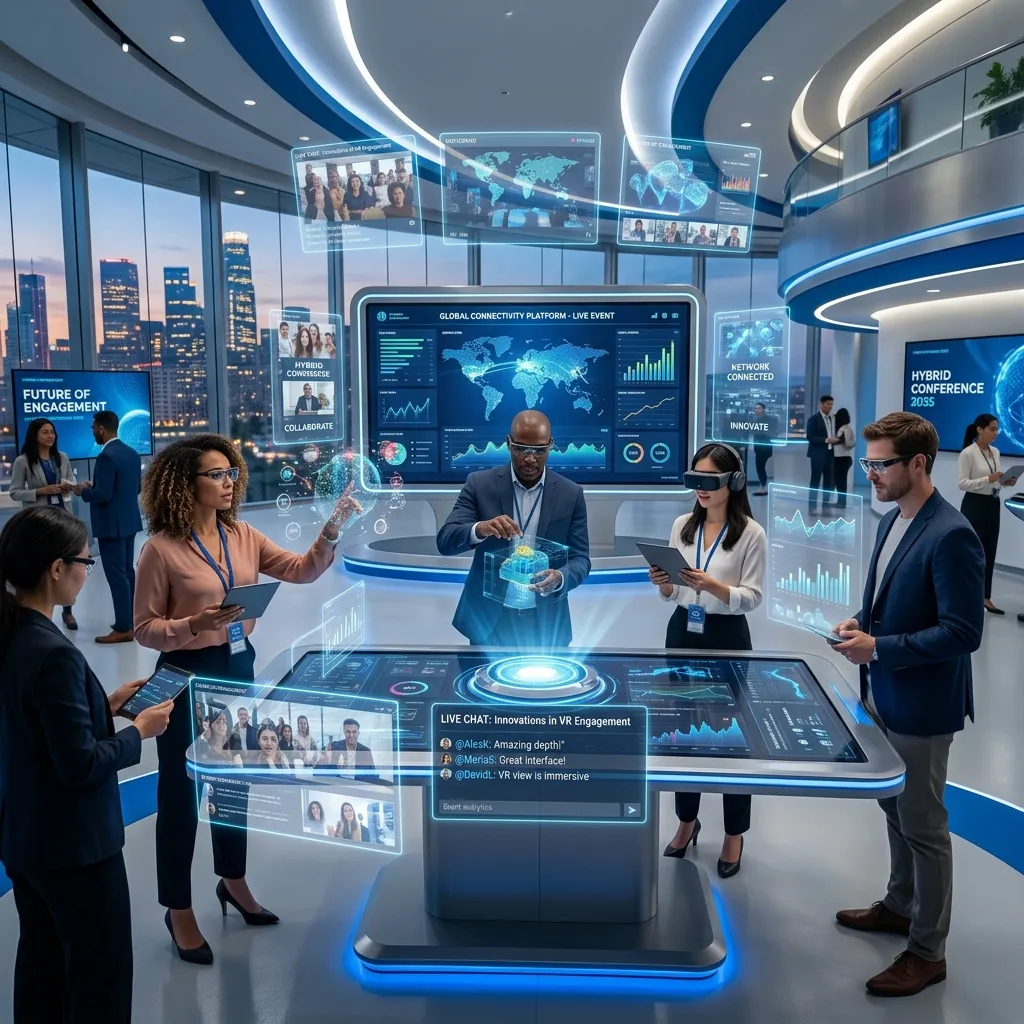 Engagement strategies keep evolving alongside technology, and forward-thinking organizers are already preparing for what’s next.
Emerging technologies like virtual reality, augmented reality, and metaverse environments promise fully immersive events where attendees move, interact, and connect in three-dimensional space. These tools could make remote participation feel as rich as being there in person.
Hybrid event models are becoming the default, blending in-person energy with digital reach. The challenge—and opportunity—is engaging both audiences equally, so remote attendees never feel like second-class guests.
Continuous innovation remains the constant. As attendee expectations rise, the organizers who keep experimenting with new formats, tools, and interactive ideas will stay ahead. For a deeper look at the platforms powering modern events, this event ticket booking platform guide breaks down the features that support seamless attendee experiences.
Conclusion
User engagement in digital events comes down to one principle: design every moment around active participation. From personalized pre-event invitations to interactive live sessions and thoughtful follow-up, each touchpoint either deepens the connection or weakens it.
The strategies in this guide work as a system, not in isolation. Building anticipation, delivering interactive experiences, leveraging smart technology, and measuring the right metrics all reinforce one another. The events that succeed treat engagement as a continuous process, not a one-time broadcast.
Start small. Pick two or three strategies from this guide—maybe a pre-event poll, live gamification, and a personalized follow-up—and apply them to your next event. Measure the results, refine, and expand. For more on creating seamless experiences from the first click onward, explore this guide on how to buy event tickets online safely, and see how reducing friction at every stage keeps audiences coming back.
For broader industry context on engagement trends, resources like the Event Marketing Institute offer ongoing research, while Harvard Business Review regularly publishes insights on virtual collaboration and audience attention.
Frequently Asked Questions
1. What is user engagement in digital events?
User engagement in digital events refers to how actively attendees participate before, during, and after a virtual event. It includes actions like asking questions, voting in polls, networking, and joining discussions. Higher engagement leads to better retention, satisfaction, and event ROI.
2. How do you increase engagement in virtual events?
To increase engagement in virtual events, use personalized pre-event communication, interactive elements like live polls and Q&A, breakout rooms, gamification, and prompt post-event follow-up. Combining these strategies across the full event lifecycle delivers the strongest results.
3. What are the best digital event participation strategies?
The best digital event participation strategies include building anticipation with teasers and surveys, offering interactive live content, enabling networking through breakout rooms, adding gamification, and sustaining the connection with follow-up resources and community building.
4. How long should an online webinar be to maintain engagement?
Most online webinars perform best between 30 and 60 minutes. Break the content into short 10-to-15-minute segments, each followed by an interactive moment like a poll or Q&A, to reset attention and prevent drop-off.
5. What tools improve audience engagement in online webinars?
Tools that improve audience engagement in online webinars include live polling software, real-time chat and reactions, Q&A platforms, breakout room features, and gamification apps. AI-powered recommendation tools also personalize the experience and boost participation.
6. How do you measure engagement at a digital event?
Measure engagement at a digital event by tracking active participation metrics—poll responses, chat messages, Q&A submissions, and breakout room attendance—alongside feedback scores and Net Promoter Score from post-event surveys.
7. Why do attendees disengage during virtual events?
Attendees disengage during virtual events mainly because of competing distractions, screen fatigue, and passive, lecture-style content. Long stretches without interaction make it easy to multitask or leave. Frequent interactive moments are the best defense.
8. What is the difference between attendance and engagement?
Attendance measures how many people logged in, while engagement measures how actively they participated. Someone can attend without engaging at all. Engagement metrics—like poll votes and chat activity—give a truer picture of event success.
9. How can gamification boost engagement in digital events?
Gamification boosts engagement in digital events by adding quizzes, points, challenges, and leaderboards that tap into friendly competition. Rewarding participation motivates attendees to interact more deeply and stay engaged throughout the event.
10. How important is pre-event engagement?
Pre-event engagement is critical because it sets expectations and builds anticipation. Personalized invitations, teasers, and pre-event surveys ensure attendees arrive prepared and excited to participate, which directly increases engagement during the live event.
