

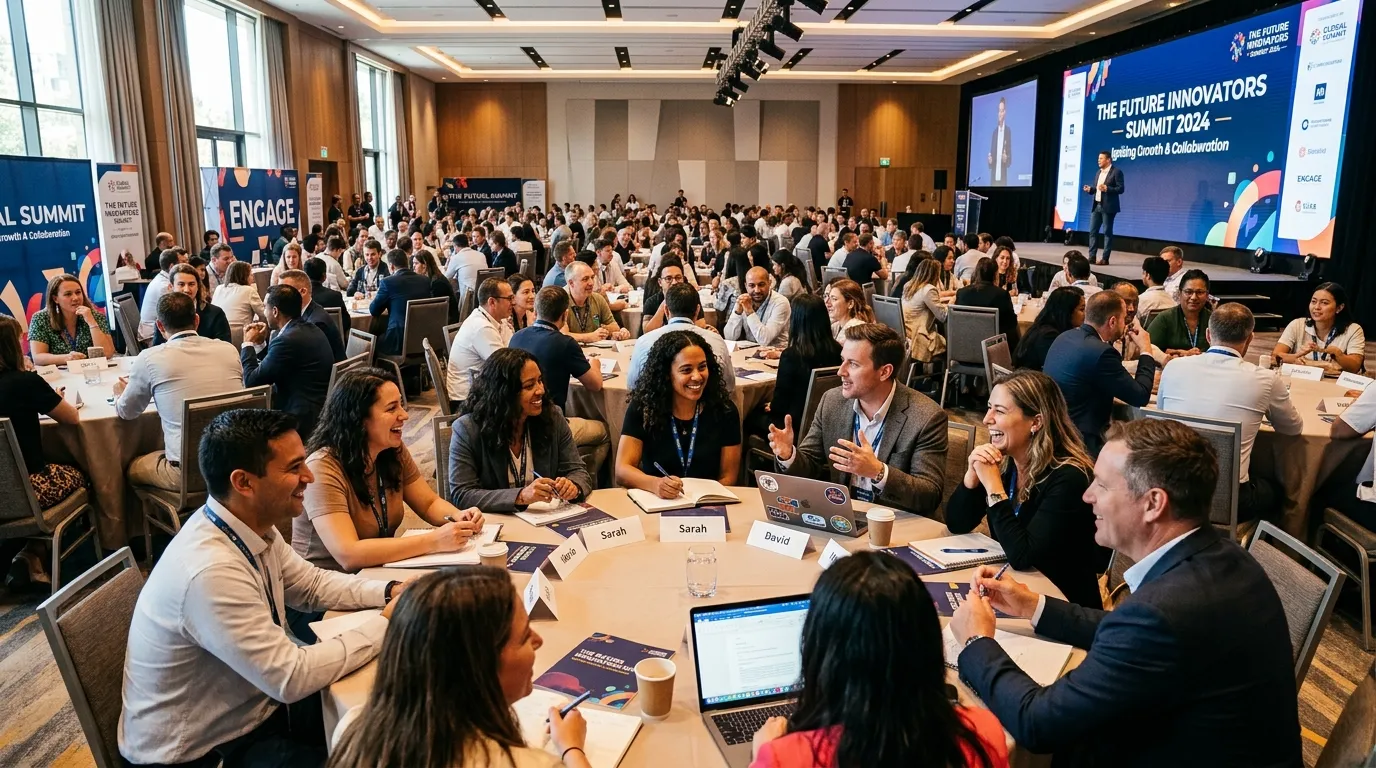
Attendee experience has become the real measure of a successful event. People remember how an event made them feel long after they forget the agenda. They share that feeling on social media, in reviews, and with colleagues—shaping whether your next event sells out or struggles to fill seats.
This guide walks through exactly how to enhance event experience at every stage. You’ll learn how to understand your audience, build anticipation before the doors open, craft memorable on-site moments, sustain the connection after everyone goes home, and use technology to tie it all together. We’ll also cover how to measure event satisfaction and participation improvement so you can refine each future event with real data.
Whether you run a 50-person workshop or a 50,000-seat conference, the principles stay the same. Better attendee experience leads to better word of mouth, higher retention, and a stronger brand. Let’s break down the strategies that make it happen.
Why does attendee experience matter so much for events?
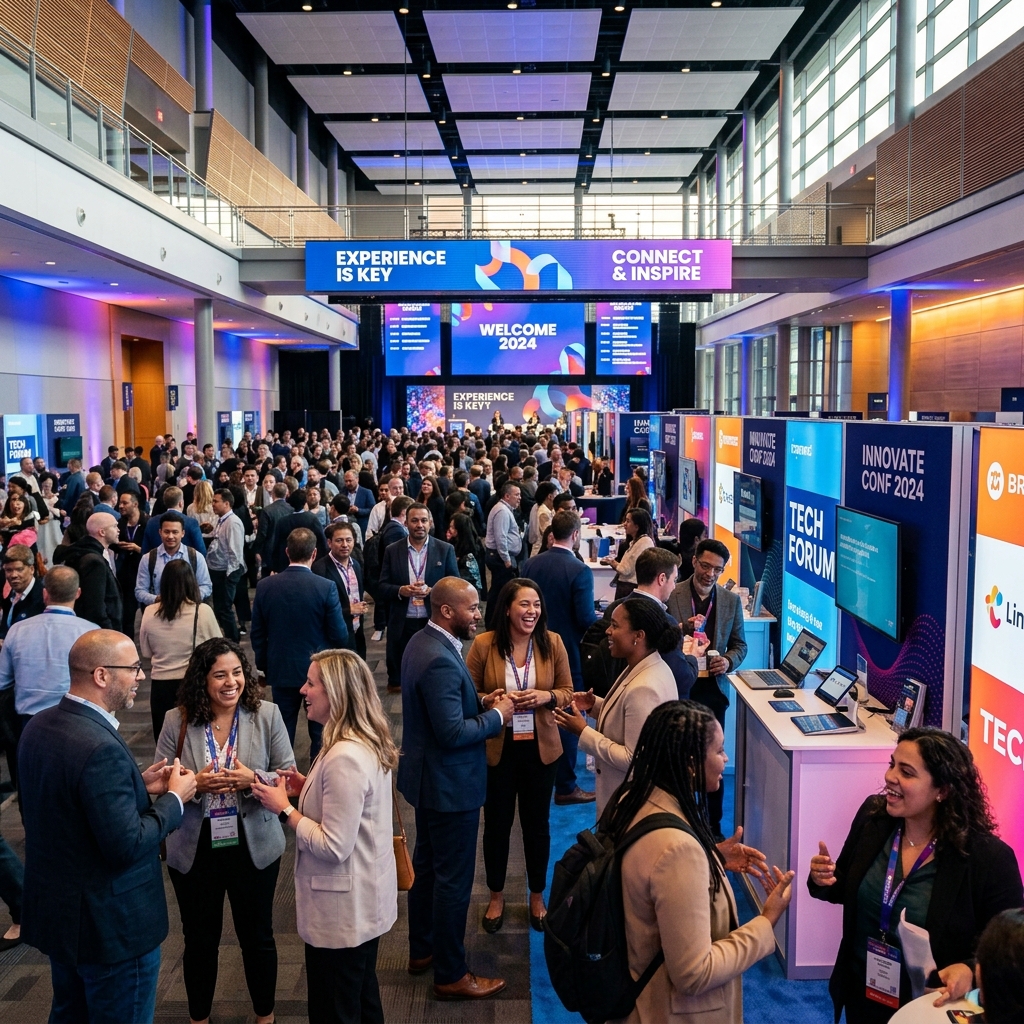 Attendee experience is the new currency of events. When ticket prices rise and competition for attention grows, the experience is what justifies the cost and earns repeat attendance. A smooth, memorable event turns first-time guests into loyal advocates who promote your brand for free.
The numbers back this up. A frictionless booking and check-in journey directly affects how guests feel before they even arrive. As detailed in this guide on how users interact with event ticketing platforms, even small points of friction—slow pages, confusing checkout, hidden fees—can sour the experience and increase drop-off. The experience starts the moment someone considers buying a ticket, not when they walk through the door.
Strong attendee experience also feeds your bottom line. Happy guests spend more on-site, return for future events, and bring friends. Poor experiences spread just as fast through negative reviews and empty word of mouth. Designing around the attendee isn’t a nice-to-have—it’s the foundation of event satisfaction and participation improvement.
How do you understand your audience before planning?
Understanding your audience is the first step to a better experience. You cannot tailor an event for people you don’t know. The more clearly you define who’s coming and what they want, the easier every other decision becomes.
Start with demographics and psychographics
Demographics tell you the basics: age, job title, location, and industry. Psychographics go deeper—what motivates your attendees, what challenges they face, and what they hope to gain. A room full of senior executives needs a very different experience than a crowd of early-career creatives. Map both layers before you book a single speaker.
Use pre-event surveys and feedback
Ask directly. A short pre-event survey reveals session preferences, dietary needs, accessibility requirements, and networking goals. People appreciate being asked, and the data helps you plan content that lands. Past attendee feedback is gold too—it shows what worked last time and what flopped.
Tailor content and activities
Once you know your audience, shape the event around them. Offer beginner and advanced tracks if skill levels vary. Build in quiet networking for introverts and high-energy sessions for extroverts. Tailored content signals that you respect your attendees’ time, which is one of the simplest event attendee engagement strategies available.
What are the best pre-event engagement strategies?
Pre-event engagement builds anticipation and sets clear expectations. The goal is to make attendees excited and prepared, so they arrive ready to participate rather than confused about logistics.
Send personalized communication
Generic blast emails get ignored. Personalized messages—using the attendee’s name, referencing their session choices, or suggesting relevant activities—cut through the noise. A mix of email and SMS keeps people informed without overwhelming them. Send a clear timeline: what to expect, when, and how to prepare.
Open pre-event networking
Let attendees connect before the event begins. A dedicated app group, LinkedIn community, or matchmaking feature helps people identify who they want to meet. Early connections reduce first-day awkwardness and increase the odds that guests show up ready to engage.
Provide clear event information and logistics
Confusion kills excitement. Spell out the venue address, parking, schedule, and entry process well in advance. For ticketing, point attendees toward trusted, secure channels. This guide on how to buy event tickets online safely helps guests avoid scams and arrive with valid tickets in hand—protecting both their wallets and your reputation.
Create a user-friendly registration process
Registration is the first real interaction many attendees have with your event. Make it fast, mobile-friendly, and transparent. A clunky sign-up form creates friction before anyone arrives. For a deeper look at building a smooth booking journey, see this event ticket booking platform guide, which breaks down the features that make registration painless.
How do you craft memorable on-site experiences?
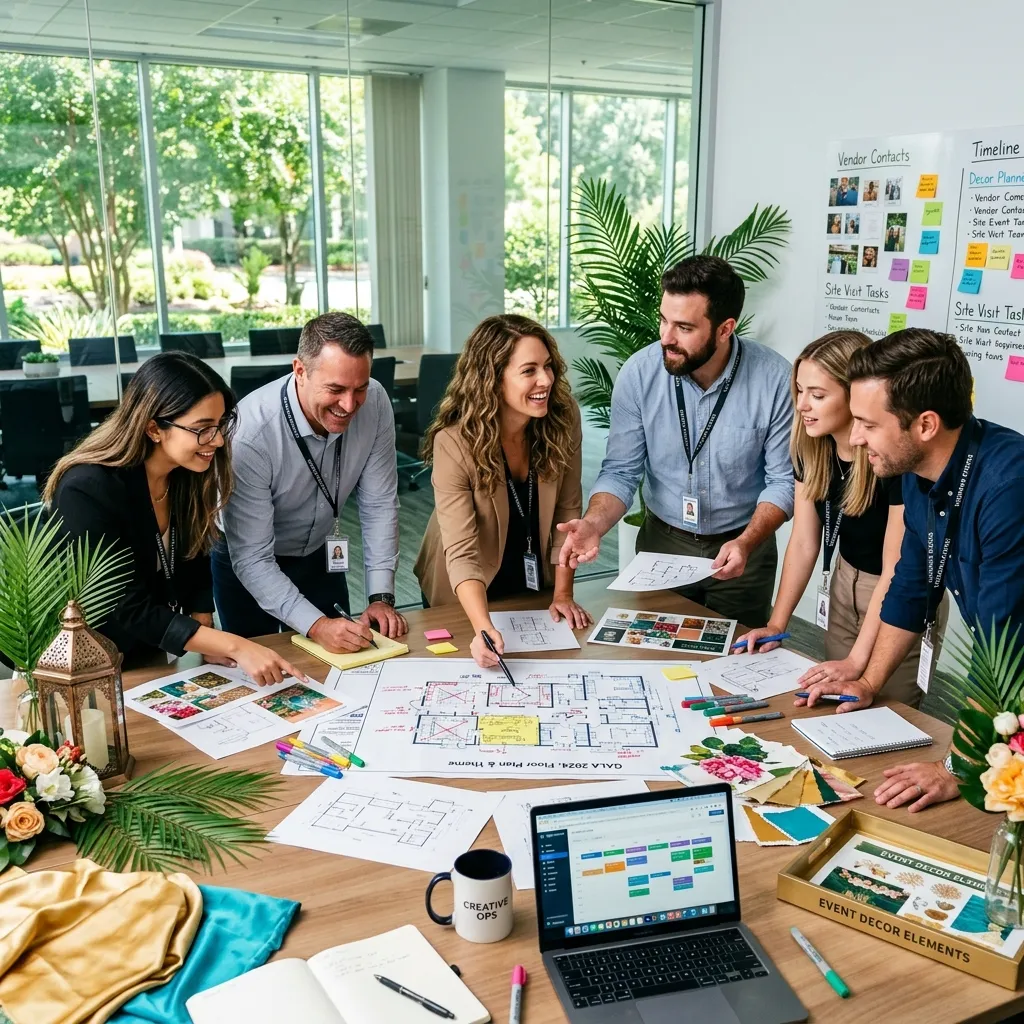 The on-site experience is where attendee experience is won or lost. Every detail—from the first handshake at check-in to the last goodbye—shapes how guests remember the day. Here’s how to make those moments count.
Make arrival and check-in seamless
First impressions stick. Long lines and clunky check-ins set a sour tone before the event even starts. Use efficient registration systems with QR code scanning to move people through fast. Hand out welcome packs with a schedule, name badge, and any essentials so guests feel oriented and valued from minute one.
Deliver engaging content
Content is the heart of any event. Mix formats to keep energy high: interactive workshops, dynamic keynote speakers, and panels with diverse perspectives. Lean on technology—live polls, real-time Q&A, and event apps—to turn passive listeners into active participants. Engagement skyrockets when people can shape the conversation instead of just watching it.
Build networking and connection opportunities
Many attendees come for the people as much as the program. Create dedicated networking zones, facilitate introductions based on shared interests, and schedule social events and breaks that encourage mingling. Structured networking beats hoping connections happen on their own.
Prioritize comfort and amenities
Comfortable attendees stay engaged. Ensure the venue is accessible and easy to navigate. Offer varied food and beverage options that account for dietary needs. Add quiet zones and relaxation areas where people can recharge between sessions. Small comforts add up to a big difference in how guests feel by the end of the day.
Add unexpected delights
Surprise creates memories. Experiential activations—photo booths, interactive art installations, or local entertainment—give attendees something to talk about and share online. These unexpected touches transform a standard event into one people rave about long after it ends.
How do you keep attendees engaged after the event?
Post-event engagement sustains the connection you built on-site. The event doesn’t end when the lights go down—the follow-up determines whether attendees come back and bring others.
Send thank you notes and personalized follow-ups
A genuine thank-you goes a long way. Personalized follow-ups that reference what an attendee did or attended feel sincere and strengthen the relationship. Send them promptly, while the experience is still fresh.
Share content and resources
Attendees value access to what they experienced. Share presentation slides, session recordings, and event photos. This extends the value of the event and gives people a reason to revisit—and to share the content with their own networks.
Collect feedback and testimonials
Ask how it went. Post-event surveys reveal what to improve and surface testimonials you can use for future promotion. Honest feedback is one of the most reliable tools for event satisfaction and participation improvement over time.
Build community beyond the event
The strongest events spawn ongoing communities. Keep the conversation alive through online groups, newsletters, and smaller meetups between major events. A living community turns one-time attendees into long-term members.
Offer early bird perks for future events
Reward loyalty. Early bird discounts and priority access give past attendees a reason to commit to your next event. If your audience books concerts, sports, or similar experiences, resources like this ultimate concert and sports ticket booking guide help them plan ahead and secure the best seats.
How can technology enhance event experience?
Technology is one of the most powerful tools for improving attendee experience at events. The right tools reduce friction, boost participation, and unlock insights you can’t get any other way.
Use event apps for navigation and messaging
A solid event app puts everything in one place: schedules, venue maps, speaker bios, and attendee messaging. Guests navigate confidently, never miss a session, and connect with each other in real time. The app becomes the central hub of the entire experience.
Add gamification for participation
Gamification turns participation into play. Points for attending sessions, leaderboards for networking, and challenges with small rewards motivate attendees to engage more deeply. People love a little friendly competition—and it drives the behaviors you want.
Plan for virtual and hybrid attendees
Not everyone can attend in person. Virtual and hybrid formats extend your reach far beyond physical capacity. To serve remote attendees well, invest in reliable streaming, interactive virtual sessions, and tools that let online guests participate alongside in-person ones.
Use data analytics for continuous improvement
Every interaction generates data. Tracking how attendees move through your event—which sessions fill up, where drop-off happens, how people use your app—reveals what to improve. Studying how guests behave, as explored in the research on how users interact with event ticketing platforms, gives you a data-backed roadmap for the next event.
How do you measure attendee satisfaction and participation?
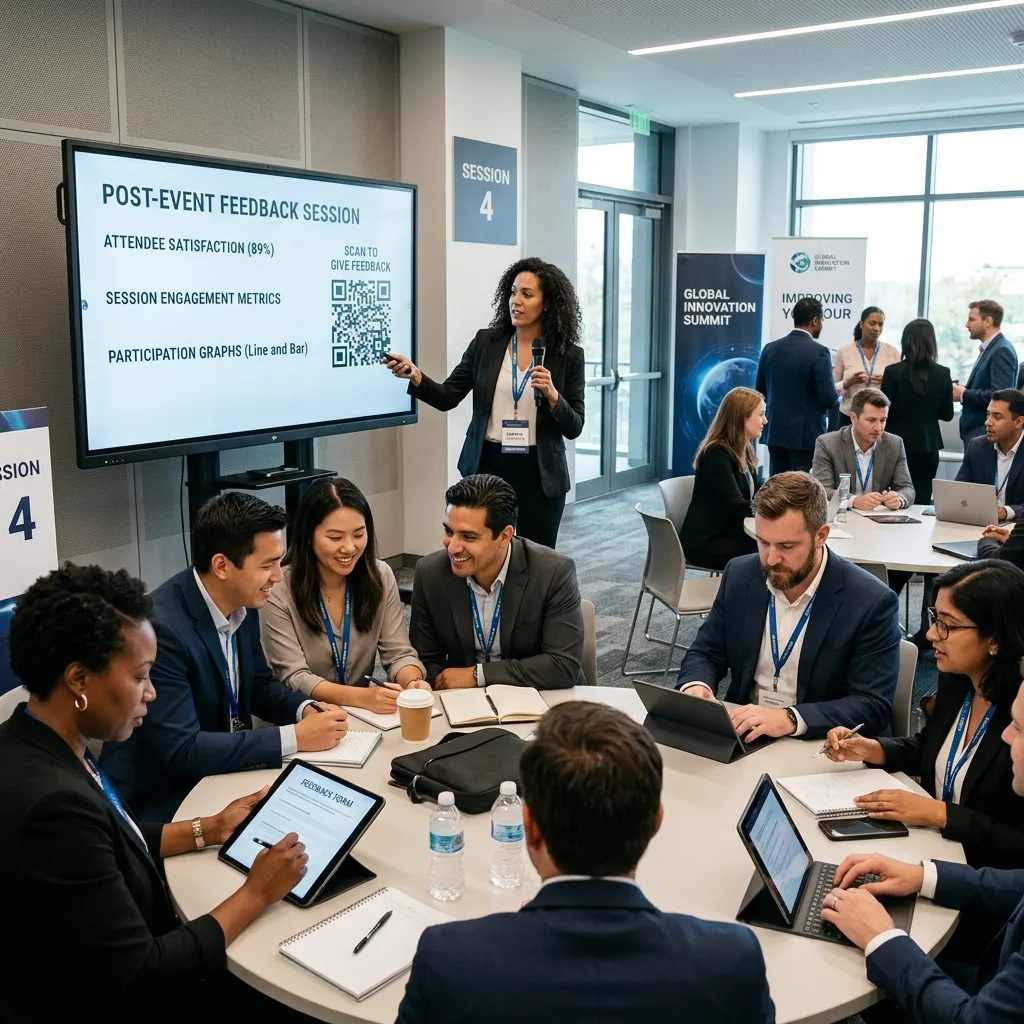 Measuring success keeps your improvements grounded in reality rather than guesswork. The right metrics tell you exactly where you’re winning and where you’re falling short.
Track the right KPIs
Key performance indicators turn vague impressions into hard numbers. Track Net Promoter Score (NPS) to gauge loyalty, session attendance to measure content appeal, and app engagement to assess interaction. Registration-to-attendance rate reveals how well you converted interest into actual presence.
Design and analyze surveys carefully
A well-built survey gets honest, useful answers. Keep it short, mix rating scales with open-ended questions, and send it while memories are fresh. Then actually analyze the results—look for patterns, not just averages, and act on what you find.
Monitor social media engagement
Social media is a real-time satisfaction meter. Track mentions, hashtag use, and sentiment to see how attendees felt in the moment. Positive buzz signals a win; a wave of complaints flags problems to fix fast.
Designing events that people remember
Improving attendee experience at events comes down to one principle: design everything around the people in the room. From the first ticket search to the final follow-up email, each touchpoint either strengthens or weakens how guests feel about your brand.
The strategies in this guide—understanding your audience, building pre-event anticipation, crafting memorable on-site moments, sustaining post-event connection, and leveraging technology—work together as a system. None stands alone. The events that succeed treat attendee experience as a continuous process, not a one-day production.
Start small if you need to. Pick two or three strategies from this guide, apply them to your next event, and measure the results. Then refine and expand. With consistent, attendee-centric design backed by real data, every event you run will outperform the last—and your audience will keep coming back for more.
Conclusion
Improving attendee experience at events is one of the most important factors in ensuring the success and long-term impact of any event. When attendees feel engaged, supported, and valued throughout the entire journey—from registration to post-event follow-up—they are far more likely to participate actively and leave with a positive impression.
By implementing effective engagement strategies, enhancing communication, and using interactive tools, event organizers can significantly increase satisfaction and participation levels. A well-structured event experience not only improves attendee enjoyment but also strengthens brand trust and encourages repeat attendance.
Ultimately, focusing on improving attendee experience at events helps create more meaningful interactions, higher retention rates, and stronger overall event outcomes.
Frequently Asked Questions
1. What are the most effective event attendee engagement strategies?
The most effective event attendee engagement strategies include personalized pre-event communication, interactive content like live polls and Q&A, dedicated networking opportunities, gamification, and consistent post-event follow-up. Combining these across the full event journey delivers the strongest results.
2. How can technology improve the event experience for attendees?
Technology improves the event experience through event apps that centralize schedules and messaging, gamification that boosts participation, virtual and hybrid options that expand reach, and data analytics that reveal exactly where to improve future events.
3. What role does personalization play in enhancing event satisfaction?
Personalization shows attendees you respect their time and needs. Tailored emails, session recommendations, and customized networking matches make guests feel valued, which directly increases event satisfaction and the likelihood they’ll return.
4. How do you measure attendee satisfaction at an event?
Measure attendee satisfaction using KPIs like Net Promoter Score, session attendance, and app engagement. Pair these with well-designed post-event surveys and social media sentiment tracking for a complete picture of how guests felt.
5. What are some creative ways to surprise and delight attendees?
Creative ways to delight attendees include photo booths, interactive art installations, local entertainment, surprise gifts in welcome packs, and unexpected experiential activations. These memorable touches give guests something to talk about and share online.
6. When does the attendee experience actually begin?
The attendee experience begins the moment someone considers buying a ticket—not when they arrive. A smooth, secure registration and booking process sets the tone, while friction or confusion damages the experience before the event even starts.
7. How do you keep attendees engaged after an event ends?
Keep attendees engaged after an event with prompt personalized thank-you notes, shared content like recordings and photos, feedback surveys, ongoing community groups, and early bird offers for future events.
8. What’s the best way to handle event check-in?
The best way to handle check-in is with efficient registration systems and QR code scanning that move people through quickly. Pair fast entry with welcome packs and clear signage so guests feel oriented and valued from the start.
9. How important is networking to attendee experience?
Networking is critical for many attendees, who come for the people as much as the program. Dedicated networking zones, facilitated introductions, and well-timed social breaks turn passive guests into active, connected participants.
10. Who benefits most from improving attendee experience at events?
Both organizers and attendees benefit. Attendees enjoy smoother, more memorable events, while organizers gain higher satisfaction scores, stronger retention, more referrals, and increased revenue from repeat attendance and word of mouth.
