
Close Menu

    Subscribe to Updates

    Get the latest creative news from FooBar about art, design and business.

    What's Hot

    Event Ticket Booking Platform Guide: Features & How It Works

    June 15, 2026

    How to Buy Event Tickets Online Safely The Complete Guide

    June 14, 2026

    The Ultimate Concert & Sports Ticket Booking Guide

    June 13, 2026
    Facebook X (Twitter) Instagram
    Tuesday, June 16
    Facebook X (Twitter) Instagram YouTube
    My Blog
    • Homepage
    • About us
    • Contact us
    My Blog
    Home»Event Tickets»How to Buy Event Tickets Online Safely The Complete Guide
    Event Tickets

    How to Buy Event Tickets Online Safely The Complete Guide

    adminBy adminJune 14, 2026Updated:June 14, 2026No Comments28 Mins Read
    Facebook Twitter Pinterest LinkedIn Telegram Tumblr Email
    Buy event tickets online safely
    Share
    Facebook Twitter LinkedIn Pinterest Email

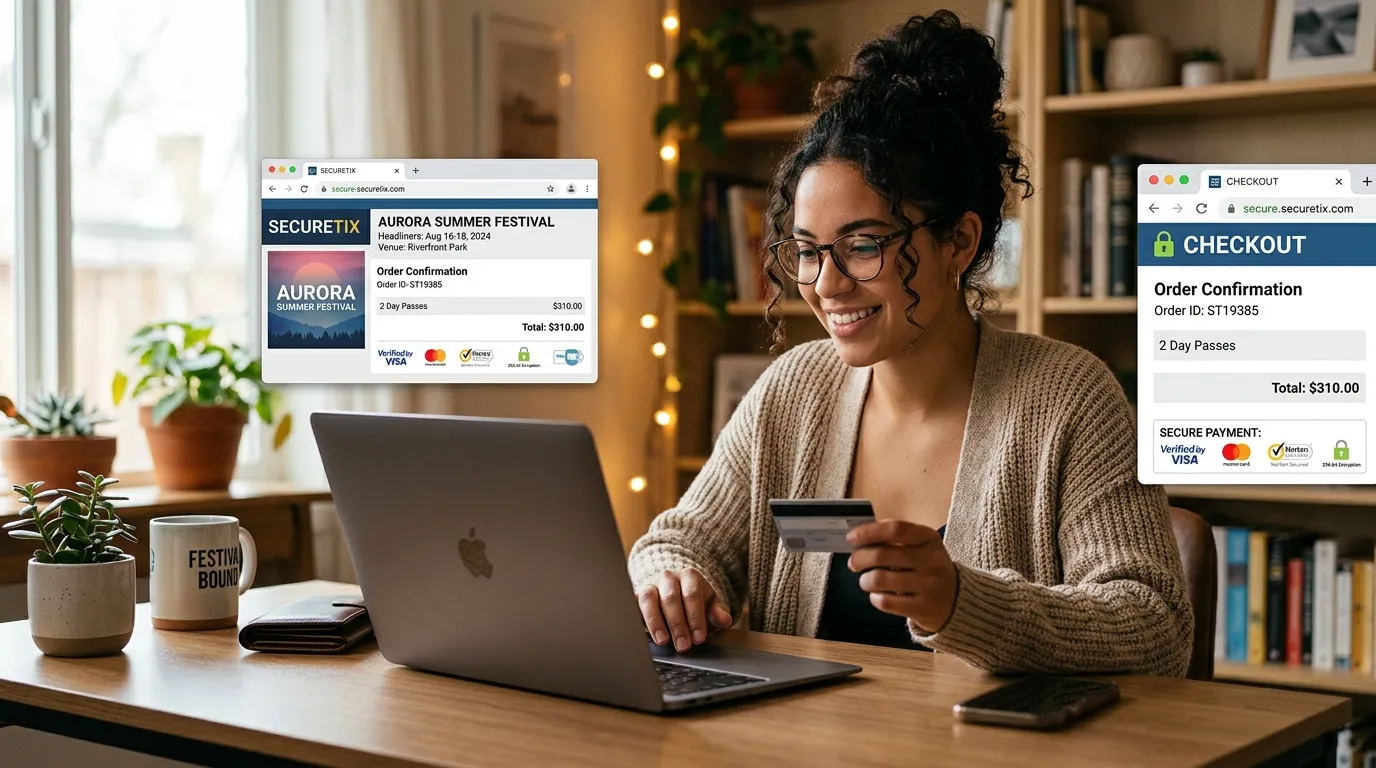
    Buy event tickets online safely ensures a secure and convenient booking experience. By using trusted platforms, verifying sellers, and following secure payment methods, users can avoid scams and fraud. This guide helps you understand how to book tickets confidently while ensuring safety, reliability, and a smooth purchasing process.

    To buy event tickets online safely, purchase only from official vendors or verified resale marketplaces, pay with a credit card or PayPal, and confirm ticket authenticity before checkout. Avoid wire transfers, cryptocurrency, and unfamiliar sites. These steps protect your money and guarantee venue entry.

    Live events create some of life’s best memories—a stadium roaring during a championship game, a crowd singing every word at a sold-out concert, the lights dimming before a Broadway opening. But behind every great show waits a growing threat: online ticket fraud. Scammers have become more sophisticated, building fake websites, sending convincing phishing emails, and listing tickets that simply do not exist. This makes safe online ticket booking more important than ever.

    The good news is that most ticket scams are completely avoidable when you follow a smart event ticket booking guide and use trusted platforms. Learning how to buy event tickets online safely helps you enjoy your favorite events without financial risk or stress. Always prioritize verified sellers, secure payment gateways, and platforms that offer buyer protection policies.

    A reliable ticket purchasing strategy also involves checking reviews, comparing prices across legitimate sources, and ensuring the website uses HTTPS encryption. Many users now rely on official apps and authorized partners for safer transactions, which significantly reduces fraud risks.

    By the end of this event ticket booking guide, you will be able to spot red flags instantly, protect your personal information, and secure legitimate seats at fair prices. Whether you are booking front-row concert tickets, theater shows, or budget-friendly sports seats, following these safe online ticket booking practices ensures a smooth and secure experience every time.

    Using a trusted online ticket booking strategy not only protects your money but also guarantees peace of mind, allowing you to focus on enjoying the event rather than worrying about scams or fake listings.

    Understanding the online ticket landscape

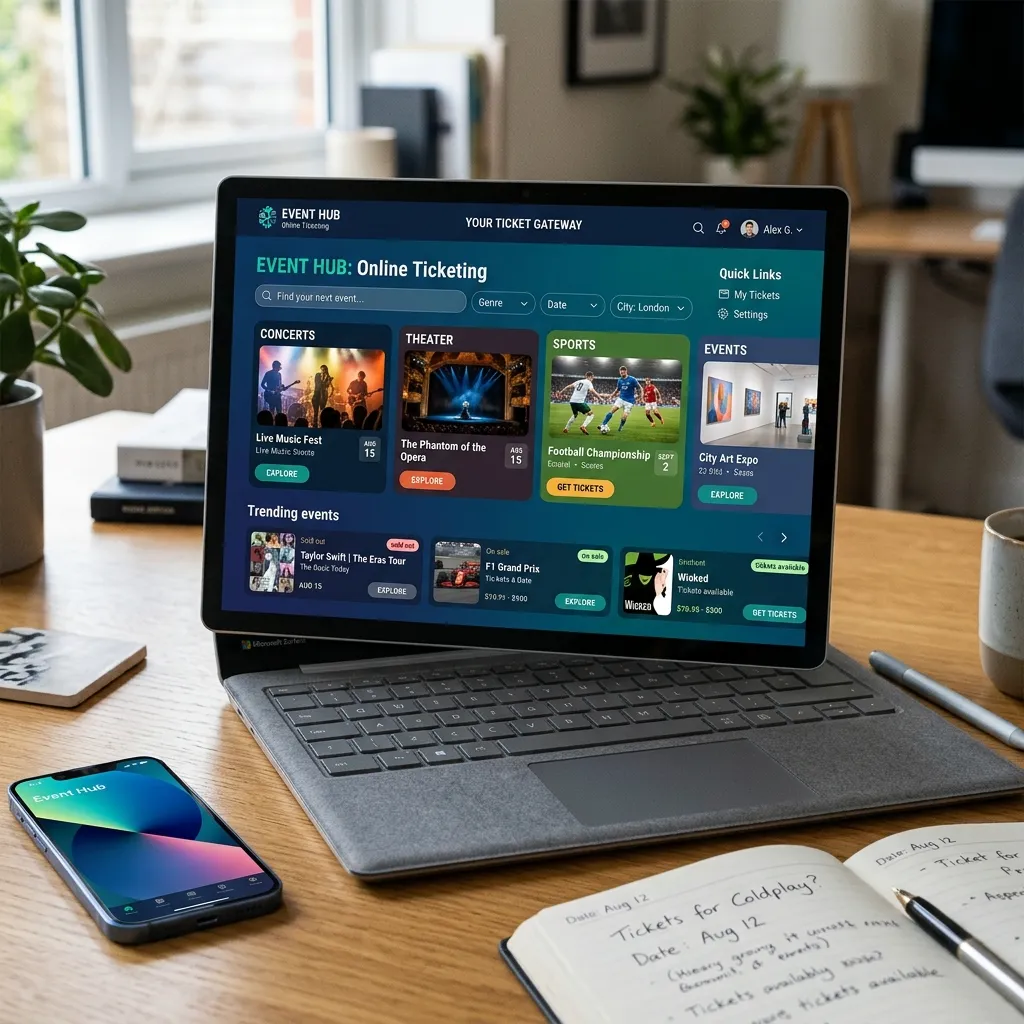
    Overview of the online ticket booking landscapeBefore you buy event tickets online, it helps to understand how the market actually works. The ticketing world splits into two main categories, and knowing the difference shapes where—and how—you should shop.

    Primary ticket retailers vs. resale marketplaces

    Primary ticket retailers sell tickets for the first time, straight from the source. Companies like Ticketmaster and AXS partner directly with venues, artists, and sports leagues to distribute tickets at face value. When you buy from a primary seller, you’re getting the original price set by the event organizer—though dynamic pricing can cause that number to shift based on demand.

    Resale marketplaces, also called the secondary market, handle tickets that have already been sold once. Fans whose plans changed, along with professional brokers, list their tickets here. Prices on resale platforms are set by individual sellers, so a high-demand ticket might cost far above face value, while a low-demand seat could sell for less than the original price.

    Both markets can be safe—but only when you use reputable, verified platforms. Trusted resale sites like StubHub, SeatGeek, and Vivid Seats back their listings with buyer guarantees, promising authentic tickets or a full refund.

    The rise of digital tickets

    Paper ticket stubs are nearly extinct. Digital ticketing has become the industry standard, and for good reason. Modern platforms use rotating QR codes and near-field communication (NFC) technology, where the code on your phone refreshes every few seconds. This makes screenshots and printouts worthless at the scanning gate, dramatically cutting down on counterfeiting.

    For buyers, digital tickets mean your smartphone becomes your ticket wallet. You can store passes in Apple Wallet or Google Pay, transfer individual tickets to friends instantly, and skip the worry of leaving your tickets at home. The catch? You need to understand how digital delivery works before you complete a safe online ticket booking.

    Common scams and how to recognize them

    Ticket scammers rely on urgency and excitement to cloud your judgment. Here are the most common schemes to watch for:

    • Fake ticket listings: Counterfeit or duplicate tickets sold through social media or unverified sites.
    • Phantom tickets: Listings for tickets that simply don’t exist, often advertised at unbeatable prices.
    • Spoofed websites: Fake sites mimicking official vendors, designed to steal your payment details.
    • Phishing emails: Messages pretending to be from ticket sellers, urging you to click malicious links.
    • Last-minute swaps: Sellers who promise great seats, then deliver inferior or invalid tickets.

    Recognizing these patterns is the first line of defense. When a deal feels too good to be true, it almost always is.

    Essential steps to buy event tickets online safely

    Following a clear, repeatable process is the backbone of safe online ticket booking. These five steps will protect you on every purchase.

    Choose reputable platforms

    Where you buy matters more than anything else; the platform you choose determines whether your transaction is protected.

    Official vendor websites should always be your first stop. Sites like Ticketmaster, AXS, and official team or venue pages sell tickets at face value with built-in authenticity guarantees. Whenever a primary vendor still has inventory, buy there first.

    Verified resale marketplaces come next if the event sells out. Platforms like StubHub and SeatGeek vet their sellers and offer comprehensive buyer protection. These marketplaces guarantee you’ll receive valid tickets or your money back, which makes them dramatically safer than peer-to-peer alternatives.

    Avoid unfamiliar websites at all costs. A flashy site offering sold-out tickets at half price is a major red flag. Before entering any payment details, check the URL for “https,” look for a padlock icon, and search the company name alongside the word “scam” to see what other buyers report.

    Research the event and venue

    A little homework goes a long way toward a safe purchase. Start with official event information. Visit the venue’s website or the artist’s official social channels to confirm the date, time, and on-sale details. This helps you spot fake listings advertising events that don’t exist or have already passed.

    Next, study seating charts and pricing expectations. Most reputable platforms offer interactive 3D seating views, so you can confirm your seat doesn’t have an obstructed view. Knowing the typical face value also helps you recognize when a resale price is reasonable—or wildly inflated. If a “front-row” ticket costs less than nosebleed seats, something is wrong.

    Verify ticket authenticity

    Confirming your tickets are real is non-negotiable. The verification process differs depending on the ticket format.

    Digital tickets are tied to verified user accounts and transfer securely through official platforms. When buying resale, make sure the seller transfers the ticket directly through the marketplace’s official system—not via email screenshot or photo, which can be duplicated and sold multiple times.

    Physical tickets, though increasingly rare, should include security features like holograms, watermarks, and barcodes. If you’re buying paper tickets, inspect these features carefully and never accept a photocopy.

    For a deeper walkthrough of confirming legitimacy, see our complete guide on how to verify tickets. You can also learn the warning signs of counterfeits in our guide on how to avoid fake tickets.

    Secure payment methods for tickets

    How you pay is one of the most important safety decisions you’ll make. The right payment method gives you a safety net if a transaction goes wrong.

    Credit cards and PayPal offer the strongest protection. Credit card companies provide fraud protection and chargeback rights, meaning you can dispute a charge if you receive fake tickets or nothing at all. PayPal adds a similar buyer-protection layer for eligible purchases.

    Avoid wire transfers and cryptocurrency entirely. These payment methods are essentially untraceable and irreversible. Once you send money via bank transfer, peer-to-peer cash app, or crypto, it’s gone for good—and scammers know it. A seller who insists on these methods is almost always running a scam.

    For a full breakdown of the safest ways to pay, read our guide on secure payment methods for tickets.

    Understand refund policies

    Knowing your rights before you buy can save you a major headache later. Refund policies vary widely between platforms and event types.

    For event cancellations and postponements, primary vendors and reputable resale platforms generally issue full refunds when an event is officially canceled. If an event is postponed, your tickets usually remain valid for the rescheduled date unless the organizer states otherwise.

    For resale platform guarantees, the best marketplaces promise refunds or replacement tickets if a valid ticket fails to grant entry. Always read the cancellation and refund terms before checkout—and keep your confirmation email as proof of purchase.

    Want the full picture on getting your money back? Our guide on refund policies explained covers every scenario in detail.

    Advanced strategies for safe online ticket booking

    Safe ticket booking strategiesOnce you’ve mastered the basics, these advanced tactics add extra layers of security to every purchase and strengthen your overall safe online ticket booking strategy. Whether you are a frequent concert-goer or occasional sports fan, applying these methods helps ensure you always buy event tickets online safely without risk of fraud or financial loss.

    Recognize red flags and phishing attempts

    Scammers often target buyers directly, hoping to catch them off guard. Always stay alert for suspicious emails, fake promotions, and misleading links. Legitimate ticket sellers will never pressure you with urgent countdown timers in unsolicited messages or ask you to “verify” your account through unknown links. A key part of safe online ticket booking is manually typing the official website URL instead of clicking on email links.

    Be especially cautious of unrealistic deals. If someone offers sold-out tickets at unusually low prices or face value, it is often a scam tactic. These fraudsters rely on excitement and urgency to trick users into sharing payment details or sending untraceable payments, which is why understanding how to buy event tickets online safely is essential.

    Protect your personal information

    Your personal and financial data is highly valuable, so protecting it should be a priority in any event ticket booking guide. Use strong, unique passwords for ticketing accounts and enable two-factor authentication whenever possible. This added security layer significantly reduces the risk of account hacking and ticket theft.

    Avoid using public Wi-Fi when making purchases. Open networks in cafés, airports, or public places can be easily exploited by cybercriminals. Instead, use a secure private connection or mobile data when you buy event tickets online safely.

    The role of buyer protection programs

    Buyer protection services act as a crucial financial safety net in modern safe online ticket booking practices. Credit card chargebacks allow you to dispute fraudulent transactions and recover your money if tickets are fake or never delivered.

    Additionally, trusted platforms like StubHub and SeatGeek offer buyer guarantees, refunds, or replacement tickets if something goes wrong. Choosing marketplaces with strong protection policies is one of the most important steps in any event ticket booking guide and greatly improves your confidence when purchasing tickets online.

    By combining awareness, secure practices, and trusted platforms, you can consistently buy event tickets online safely and enjoy live events without stress or worry.

    What to do if something goes wrong

    Even careful buyers occasionally hit problems. Knowing how to respond quickly can help you recover your money and salvage your event plans.

    Report fraudulent activity

    If you suspect a scam, act fast. Report fraudulent listings to the platform where you found them, and file a complaint with the Federal Trade Commission. Reporting helps authorities track scammers and may prevent others from falling victim.

    Contact customer support

    Reach out to the platform’s official customer support immediately. Bring your confirmation email, photo identification, and the payment details you used during checkout. Reputable platforms with buyer guarantees can typically verify your purchase and issue a refund or replacement.

    Legal recourse options

    If a platform won’t resolve the issue, you still have options. Dispute the charge with your credit card company to trigger a chargeback. For larger losses, you can file a report with local law enforcement or pursue a claim in small claims court. Keeping detailed records—screenshots, emails, and receipts—strengthens your case.

    Buy your next event tickets with confidence
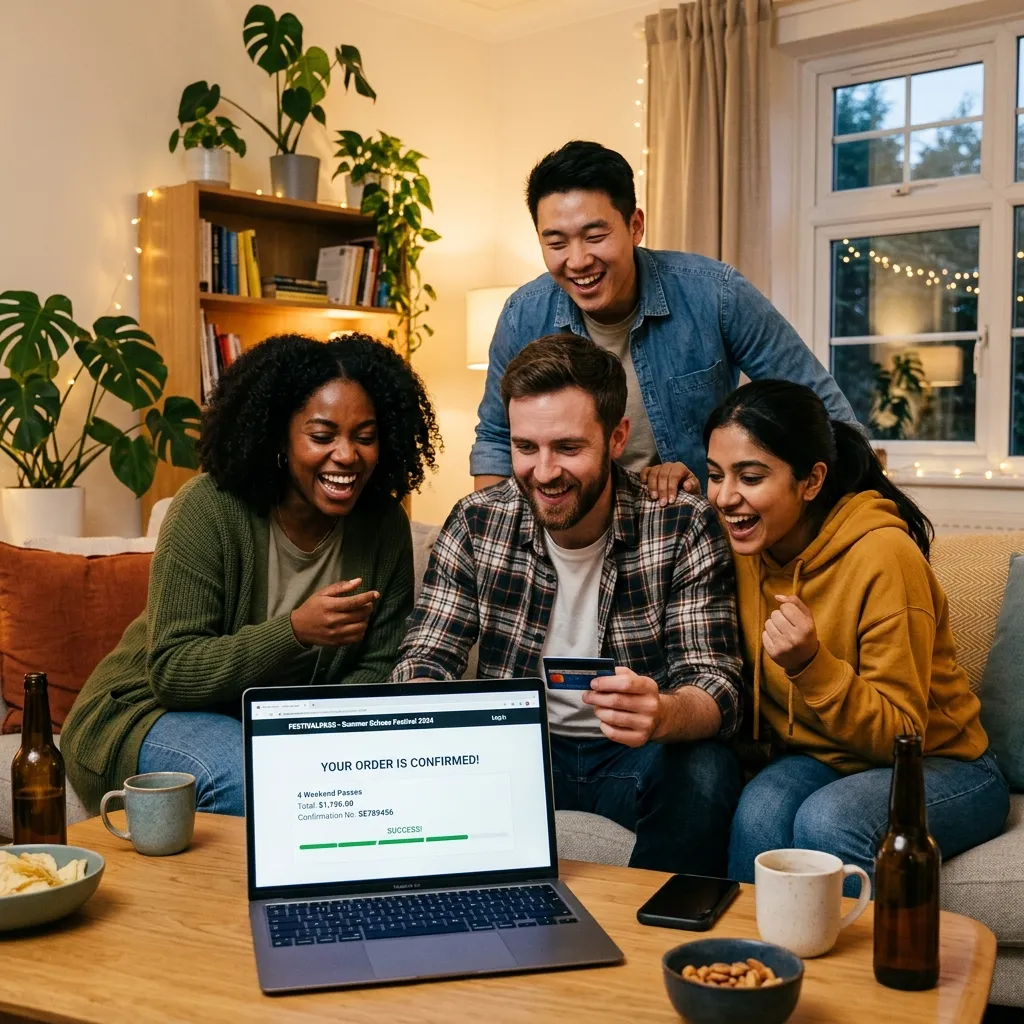
    Confidently buying event tickets onlineBuying event tickets online doesn’t have to feel like a gamble. The formula is simple: stick to official vendors and verified resale marketplaces, pay with a credit card or PayPal, verify every ticket’s authenticity, and never wire money or send crypto to a stranger. Layer on strong passwords, two-factor authentication, and a healthy skepticism toward deals that seem too good, and you’ve covered nearly every angle scammers exploit.

    The next time your favorite artist announces a tour or your team makes the playoffs, you’ll be ready. Research the event, choose a trusted platform, and complete your safe online ticket booking knowing your money—and your seat—are protected.

    Ready to put these tips into action? Explore our event ticket purchase safety guide for more strategies, or start your search through trusted platforms when you buy event tickets online.

    Understanding How Online Ticket Booking Works

    Online ticket booking has completely transformed the way people access live entertainment, making the entire process faster, more convenient, and globally accessible. Today, users can buy event tickets online safely through official ticketing websites, mobile applications, and authorized ticketing partners that work directly with event organizers. These platforms operate through centralized systems where seat inventory is managed in real time, ensuring that availability updates instantly across all users. This prevents double booking and ensures fair access to tickets for everyone.

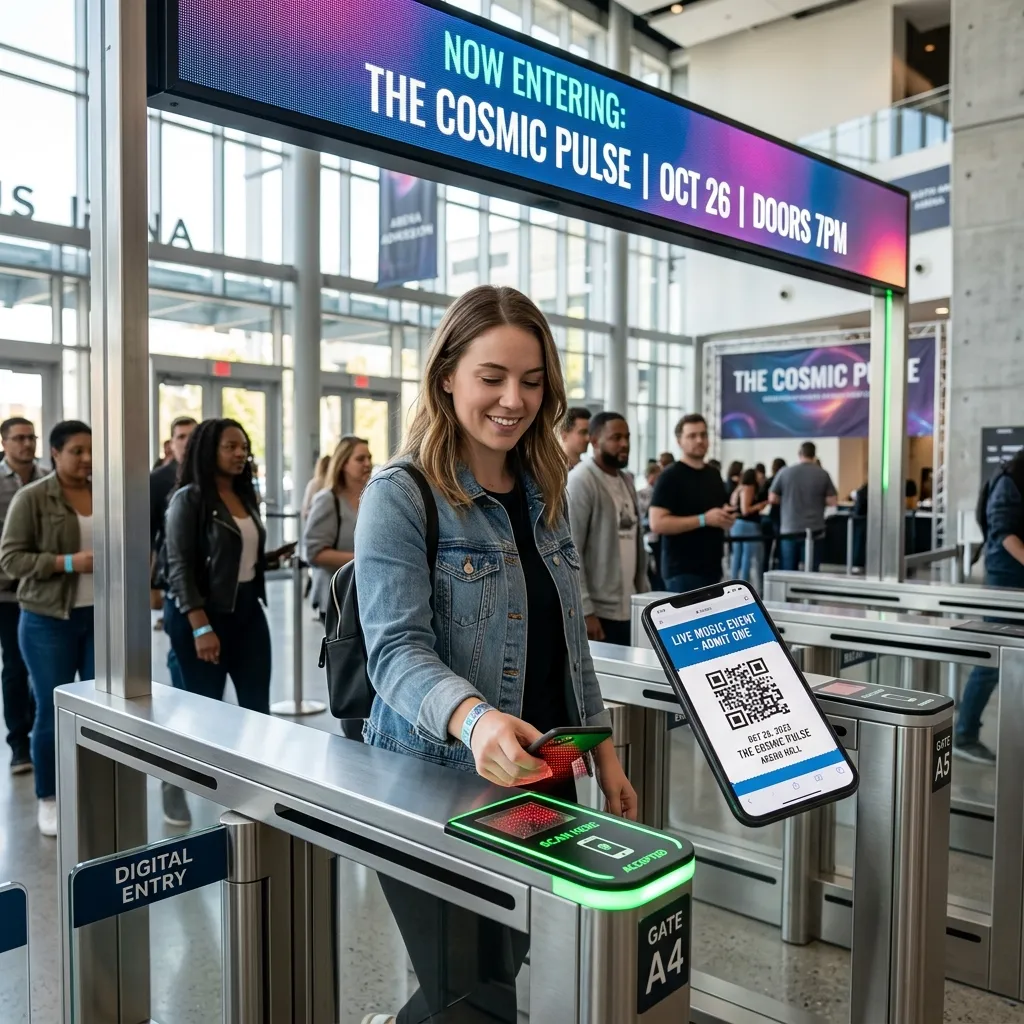
    Once a purchase is completed, users receive a digital confirmation in the form of QR codes, barcodes, or mobile tickets, which are securely stored in apps or email inboxes. These digital tickets are scanned at venue entrances for instant validation. A complete event ticket booking guide explains that this process is supported by encrypted databases that verify each ticket’s authenticity at the point of entry.

    Secure systems also use advanced encryption technologies such as SSL protocols to protect personal details, payment information, and booking history from cyber threats. This is a key part of safe online ticket booking, ensuring that sensitive data is never exposed during transactions. Despite these protections, users still need awareness to identify fake platforms and suspicious listings.

    Understanding how the system works helps users confidently navigate ticketing platforms, compare options, evaluate pricing, and complete purchases without confusion or risk. It also reduces dependence on unreliable third-party sources. When users are familiar with the process, they are far more likely to avoid scams and make informed decisions while securing genuine tickets for their favorite events.

    Choosing Trusted Ticketing Platforms

    Selecting a reliable platform is one of the most important steps in ensuring safe online ticket booking. With the rise of digital ticketing, many fraudulent websites have emerged that mimic legitimate services by copying branding, layouts, and even event listings. These scam platforms often lure users with unrealistic discounts, fake urgency messages, or “exclusive deals” that do not exist. To buy event tickets online safely, users must always prioritize official ticketing providers, verified resale marketplaces, or organizer-authorized partners.

    Trusted platforms are built with strong security infrastructure designed to protect both users and transactions. A reliable event ticket booking guide always emphasizes evaluating platform credibility before making any purchase. This includes checking customer reviews, platform history, partnerships with event organizers, and overall reputation in the market. Well-established platforms typically offer HTTPS encryption, secure payment gateways, and verified seller indicators that confirm ticket authenticity.

    In addition, reputable ticketing services provide clear refund policies, transparent pricing, and responsive customer support systems to handle any booking issues. These features are critical in protecting users from fraud and ensuring a smooth purchasing experience. In contrast, scam websites often lack transparency, have missing legal information, or provide no valid customer support channels.

    Another important factor in safe online ticket booking is ensuring that the platform is officially linked to the event organizer or venue. Many legitimate events list their authorized ticketing partners on their official websites, making verification easier for users. Choosing a trusted platform not only guarantees valid tickets but also protects financial data from theft or misuse.

    In the long term, consistently using reputable ticketing platforms significantly improves safety, reliability, and peace of mind. It reduces exposure to scams, ensures genuine entry to events, and builds confidence in every online ticket purchase made in the future.

    How to Verify Event Authenticity

    Verifying event authenticity before ticket purchase

    Verifying event authenticity is one of the most important steps in safe online ticket booking, especially as fake listings continue to increase across digital platforms. Many scammers intentionally create fake event pages targeting users searching for popular concerts, sports events, festivals, or theater shows. These listings often look convincing at first glance, but they are designed to collect payments for events that do not exist. When users try to buy event tickets online safely, they must always take extra steps to confirm whether the event is officially announced and verified.

    A reliable event ticket booking guide strongly recommends cross-checking event details across multiple trusted sources such as official artist websites, venue pages, organizer announcements, and verified social media accounts. Key details like event date, time, location, and performer lineup should always match exactly across all platforms. Even small inconsistencies can indicate a fake or outdated listing. If an event is only available on a single unfamiliar website without any external confirmation, it is often a serious red flag.

    Legitimate events are usually promoted through multiple channels, including press releases, media coverage, sponsorship announcements, and listings on well-known ticketing platforms. Checking the organizer’s history, reputation, and previous events can also help determine credibility. Established organizers typically have a track record of successful events and verifiable online presence.

    Another important factor in safe online ticket booking is verifying whether the event has official partnerships with recognized ticketing providers. Events without any authorized sellers or distribution channels should be approached with caution. Taking these verification steps significantly reduces the risk of falling victim to fake listings and ensures that users only purchase genuine tickets.

    Ultimately, event authenticity checks form the foundation of a secure ticket-buying experience. Without verifying legitimacy first, even secure payment methods cannot fully protect users from fraud.

    Understanding Secure Payment Methods

    Secure payment methods play a critical role in protecting users during online transactions and are a core part of safe online ticket booking. When users buy event tickets online safely, they should always choose payment options that provide strong security features, fraud protection, and dispute resolution mechanisms. Credit cards, PayPal, and trusted digital wallets are considered the safest options because they offer buyer protection and allow users to initiate chargebacks in case of unauthorized transactions or ticket fraud.

    A comprehensive event ticket booking guide always advises against using high-risk payment methods such as wire transfers, cryptocurrency payments, or direct bank deposits. These methods are often irreversible, meaning once the money is sent, it is extremely difficult or impossible to recover in case of fraud. Scammers frequently prefer these payment methods because they eliminate traceability and reduce the chances of refunds.

    Secure ticketing platforms use advanced encryption technologies, such as SSL (Secure Socket Layer), to protect sensitive financial data during checkout. Users should always check for security indicators like a padlock icon in the browser address bar and ensure the website URL begins with HTTPS. These signs confirm that the connection is encrypted and safer for financial transactions.

    It is also important to avoid entering payment information on unfamiliar, redirected, or pop-up pages, as these are commonly used in phishing attacks. Legitimate platforms typically have a secure, dedicated checkout system with clear branding and verification steps.

    Safe online ticket booking heavily depends on choosing traceable, secure, and regulated payment methods. By using trusted financial tools and avoiding risky alternatives, users can significantly reduce the chances of fraud, unauthorized charges, and financial loss. In the long run, secure payment practices not only protect money but also build confidence in purchasing tickets online safely and consistently.

    Importance of Seat Selection and Pricing Transparency

    Transparent pricing and clear seat selection are essential components of a trustworthy and secure ticket purchasing experience. When users buy event tickets online safely, they should always carefully review the complete pricing breakdown before final payment, including base ticket cost, taxes, booking fees, processing charges, and any additional service fees. Many fraudulent or low-quality platforms intentionally hide extra costs until the final checkout stage, leading users to overpay or feel misled. This lack of transparency is a common red flag in unsafe ticketing websites and should be avoided at all costs.

    A well-structured event ticket booking guide always recommends comparing ticket prices across multiple official and verified platforms to ensure fairness and authenticity. Trusted platforms provide interactive seat maps that allow users to visually select their preferred seating areas while clearly displaying price categories and availability in real time. This level of transparency helps users make informed decisions based on both budget and viewing experience.

    In contrast, scam websites often use unrealistic pricing strategies, such as heavily discounted tickets for sold-out events or premium seats offered at suspiciously low prices. These tactics are designed to attract impulsive buyers who may not take time to verify authenticity. Understanding pricing transparency is therefore a crucial part of safe online ticket booking, as it protects users from hidden charges, counterfeit listings, and unauthorized resale scams.

    Ultimately, clear communication of pricing and seating options builds trust between platforms and users. It ensures that buyers know exactly what they are paying for and can confidently select tickets that match their expectations, budget, and event preferences without fear of fraud or exploitation.

    Mobile Ticketing and Digital Entry Systems

    Mobile ticket entry systemMobile ticketing has revolutionized the modern ticketing industry by making event access faster, more secure, and highly convenient. Instead of relying on printed paper tickets, users now receive digital tickets in the form of QR codes, barcodes, or secure mobile passes directly on their smartphones. When users buy event tickets online safely, mobile ticketing significantly reduces the risks associated with physical ticket loss, theft, damage, or duplication, making it one of the most secure methods of entry.

    A modern event ticket booking guide explains that digital entry systems work by scanning these unique codes at venue entrances, where they are instantly verified against centralized databases. This ensures that each ticket is valid, unused, and authentic, preventing counterfeit entry and unauthorized duplication. These systems also improve crowd management and reduce waiting times at large-scale events such as concerts, sports matches, and festivals.

    However, users must still follow important security practices to ensure safe online ticket booking. One key rule is never sharing screenshots or images of mobile tickets, as these can be copied or misused by others. Most platforms recommend storing tickets in official mobile apps or digital wallets, which provide encrypted and time-sensitive access to protect against fraud.

    Mobile ticketing also integrates seamlessly with digital wallets and smartphone apps, allowing users to access their tickets instantly without searching through emails or printed documents. This convenience, combined with advanced security features, makes mobile ticketing one of the most reliable systems in the industry today.

    Overall, mobile ticketing enhances both security and user experience, making it easier than ever to attend live events while minimizing risks. It plays a central role in safe online ticket booking by combining technological innovation with fraud prevention, ensuring that users can enter events smoothly, securely, and without stress.

    How to Spot Fake Ticket Websites

    Fake ticket websites are one of the most dangerous threats in online ticket fraud, and users must develop strong awareness to identify them early. These scam websites are often designed to closely resemble legitimate ticketing platforms, using copied logos, similar layouts, and misleading branding to gain user trust. However, when users buy event tickets online safely, they should carefully inspect every detail of the website, starting with the URL. A secure and legitimate platform always uses HTTPS encryption, while suspicious sites may contain misspelled domain names, unusual extensions, or unsecured connections.

    A reliable event ticket booking guide strongly recommends checking the company’s background, including its physical address, official contact details, and customer support availability. Fake websites often lack transparency and provide little to no verifiable business information. Another major red flag is the presence of unrealistic discounts, such as extremely cheap tickets for sold-out or high-demand events. Scammers often use urgency tactics like “limited time offer” or “only a few tickets left” to pressure users into quick decisions without verification.

    Users should also look for missing or unclear refund policies, as legitimate platforms always provide clear cancellation and refund terms. Checking online reviews, ratings, and scam reports is another important step before entering payment details. Forums, social media feedback, and consumer protection websites can help identify suspicious platforms. Safe online ticket booking depends heavily on attention to detail, critical thinking, and patience. By carefully analyzing website credibility, users can significantly reduce the risk of fraud and protect both their financial and personal data.

    Benefits of Early Ticket Booking

    Booking tickets early offers numerous advantages, especially for high-demand events such as concerts, sports finals, festivals, and theater shows. When users buy event tickets online safely in advance, they not only secure their preferred seats but also enjoy better pricing and reduced stress. Early booking provides access to a wider selection of seating options, allowing users to choose ideal viewing locations before they sell out. A comprehensive event ticket booking guide always highlights early planning as one of the most effective strategies for avoiding scams and overpriced resale platforms.

    Many official ticketing platforms reward early buyers with special discounts, promotional codes, or priority access to premium seats. This makes early booking not only safer but also more cost-effective compared to last-minute purchases. Additionally, planning ahead gives users enough time to verify the authenticity of the platform, compare prices across multiple sources, and review event details carefully. This reduces the likelihood of falling victim to fraudulent websites or fake resale listings.

    Early booking also eliminates the pressure and urgency that scammers often exploit. When users are rushed, they are more likely to overlook warning signs and make unsafe purchasing decisions. By booking in advance, users can follow proper safe online ticket booking practices, including checking reviews, verifying sellers, and using secure payment methods. It also reduces dependence on risky secondary markets, where ticket fraud is more common.

    Overall, early ticket booking ensures better availability, stronger financial protection, and a smoother purchasing experience. It allows users to plan their event experience confidently while avoiding last-minute stress and unnecessary risks.

    Handling Ticket Cancellations and Refunds

    Ticket cancellations and refund processUnderstanding cancellation and refund policies is a critical part of safe online ticket booking, especially as not all purchases follow the same rules. Before users buy event tickets online safely, they should always carefully review the refund terms, cancellation windows, and eligibility conditions provided by the ticketing platform or event organizer. These policies can vary depending on the type of event, ticket category, and the agreement between organizers and sellers. A reliable event ticket booking guide always emphasizes that many tickets are non-refundable unless the event is officially canceled, postponed, or significantly changed. Trusted platforms make this information clearly visible before checkout to ensure transparency and prevent misunderstandings.

    Users should also understand the difference between refundable and non-refundable tickets, as well as partial refund conditions that may apply in certain cases. Keeping all confirmation emails, invoices, and transaction receipts is essential for dispute resolution or refund claims. These documents act as proof of purchase and are often required when contacting support teams. Credit card payments are generally recommended because they offer additional protection through chargeback options, allowing users to dispute fraudulent or failed transactions. Digital wallets with buyer protection features can also help secure refunds in case of issues.

    In safe online ticket booking, understanding refund timelines is equally important. Some refunds may take several business days or even weeks depending on the platform and payment provider. Being aware of these delays helps users manage expectations and avoid unnecessary stress. Overall, knowing refund policies in advance ensures better financial protection, reduces risk, and improves confidence when purchasing tickets online.

    Building Long-Term Safe Booking Habits

    Developing long-term safe booking habits is essential for avoiding scams and maintaining consistent security in digital transactions. When users regularly buy event tickets online safely, they gradually learn how to identify trusted platforms, recognize suspicious behavior, and make smarter purchasing decisions. A complete event ticket booking guide encourages users to treat safety as an ongoing practice rather than a one-time action. This includes staying updated on evolving fraud tactics, phishing techniques, and fake ticketing schemes that continue to emerge in the online marketplace.

    One of the most important habits is always using verified and reputable ticketing platforms. Users should avoid unfamiliar websites, even if they offer attractive discounts or last-minute deals. Enabling security features such as two-factor authentication adds an extra layer of protection to ticketing accounts, making unauthorized access significantly more difficult. It is also important to avoid rushing purchases, as urgency is a common tactic used in scams targeting buyers searching for tickets.

    Keeping a personal record of past purchases, trusted platforms, and successful transactions can also help users identify reliable sources over time. This makes future safe online ticket booking faster and more secure. Subscribing to official event notifications, newsletters, or alerts ensures that users receive accurate information directly from organizers instead of third-party sources.

    Over time, these habits build strong digital awareness and reduce the likelihood of falling victim to fraud. Consistent practice not only improves decision-making but also enhances overall confidence in online transactions. Ultimately, long-term safe booking habits create a stress-free experience where users can focus on enjoying events rather than worrying about security risks or scams.

    Conclusion

    Advanced safe online ticket booking is all about staying alert, using secure tools, and choosing trusted platforms. By recognizing phishing attempts, protecting your personal information, and relying on buyer protection programs, you can significantly reduce the risk of fraud. When you consistently apply these practices, you can confidently buy event tickets online safely, avoid scams, and enjoy your favorite live events without stress or financial worry.

    Frequently asked questions

    1. What is the safest way to buy event tickets online?

    The safest way to buy event tickets online is through official primary vendors like Ticketmaster or AXS, or verified resale marketplaces like StubHub and SeatGeek. Always pay with a credit card for fraud protection, and confirm the ticket is transferred through the platform’s official system before completing your purchase.

    2. How can I tell if a ticket website is legitimate?

    Check that the website URL begins with “https” and shows a padlock icon. Look for clear contact information, transparent refund policies, and verified buyer reviews. Search the company name alongside “scam” to see other buyers’ experiences. Avoid sites offering sold-out tickets at suspiciously low prices.

    3. What payment methods are safest for buying tickets online?

    Credit cards and PayPal are the safest payment methods because they offer fraud protection and chargeback rights. Avoid wire transfers, peer-to-peer cash apps, and cryptocurrency, since these payments are untraceable and irreversible. Any seller who insists on these methods is likely running a scam.

    4. Can I get a refund if my event is canceled?

    Yes. If an event is officially canceled, primary vendors and reputable resale platforms generally issue a full refund to your original payment method. If the event is postponed, your tickets usually stay valid for the new date unless the organizer states otherwise. Always keep your confirmation email as proof.

    5. How do I avoid fake tickets when buying online?

    Buy only from official vendors or verified resale marketplaces with buyer guarantees. Make sure resale tickets transfer through the platform’s official system, never via screenshot or photo. Never pay with cash transfers or cryptocurrency, and avoid social media listings that lack buyer protection.

    6. Is it safe to buy tickets from resale marketplaces?

    Yes, when you use reputable resale marketplaces like StubHub, SeatGeek, or Vivid Seats. These platforms vet sellers, secure payments, and back transactions with buyer guarantees promising authentic tickets or a full refund. Avoid unverified peer-to-peer sales and social media listings.

    7. What should I do if my ticket doesn’t scan at the venue?

    Visit the venue’s official box office immediately. Bring your confirmation email, photo identification, and the payment information used during your online ticket booking. Venue staff can usually verify your purchase and resolve the issue so you can enter without major delays.

    8. Are digital tickets safer than paper tickets?

    Yes. Digital tickets use rotating QR codes and NFC technology that refresh every few seconds, making screenshots and printouts invalid at entry. They’re tied to verified user accounts and transfer securely through official platforms, which significantly reduces the risk of counterfeiting compared to paper tickets.

    9. How far in advance should I buy event tickets online?

    Buy the moment tickets go on sale—ideally during the official presale—to secure face-value prices and the best seats. If an event sells out, prices on the resale market often drop in the final days before the event as sellers try to avoid a total loss.

    10. Should I use public Wi-Fi to buy tickets online?

    No. Public Wi-Fi networks at coffee shops, airports, and hotels are vulnerable to hackers who can intercept your payment data. Always use a secure private connection or your mobile data when you buy event tickets online to protect your financial and personal information.

    Buy Event Tickets Online Safely event ticket booking guide online ticket booking Safe OnlineTicket Booking Ticket Scams
    Share. Facebook Twitter Pinterest LinkedIn Tumblr Email
    admin
    • Website

    Related Posts

    Event Ticket Booking Platform Guide: Features & How It Works

    June 15, 2026

    The Ultimate Concert & Sports Ticket Booking Guide

    June 13, 2026

    Travel Experience Booking Platform: The Complete Guide

    June 11, 2026

    Ticket Resale Marketplace Explained: A Complete Guide

    June 10, 2026

    Travel Experience Marketplaces: The Complete Guide

    June 9, 2026

    Tour Booking Platforms: The Complete Guide

    June 8, 2026
    Leave A Reply Cancel Reply

    Top Posts

    Event Ticket Booking Platform Guide: Features & How It Works

    June 15, 2026

    Ultimate Guide: How to Buy Event Tickets Hassle-Free

    April 5, 2026

    Master the Best Cheap Event Tickets Online Strategies

    May 12, 2026
    Don't Miss

    Event Ticket Booking Platform Guide: Features & How It Works

    June 15, 2026

    This event ticket booking platform guide explains how online ticketing systems work, key features to…

    How to Buy Event Tickets Online Safely The Complete Guide

    June 14, 2026

    The Ultimate Concert & Sports Ticket Booking Guide

    June 13, 2026

    Travel Experience Booking Platform: The Complete Guide

    June 11, 2026
    Latest Reviews
    Stay In Touch
    • Facebook
    • YouTube
    • TikTok
    • WhatsApp
    • Twitter
    • Instagram
    Facebook X (Twitter) Instagram Pinterest YouTube Dribbble
    • Privacy Policy
    • About us
    • Contact us
    • Terms and Conditions
    © 2026 Ticketorbis. All Rights Reserved.

    Type above and press Enter to search. Press Esc to cancel.