

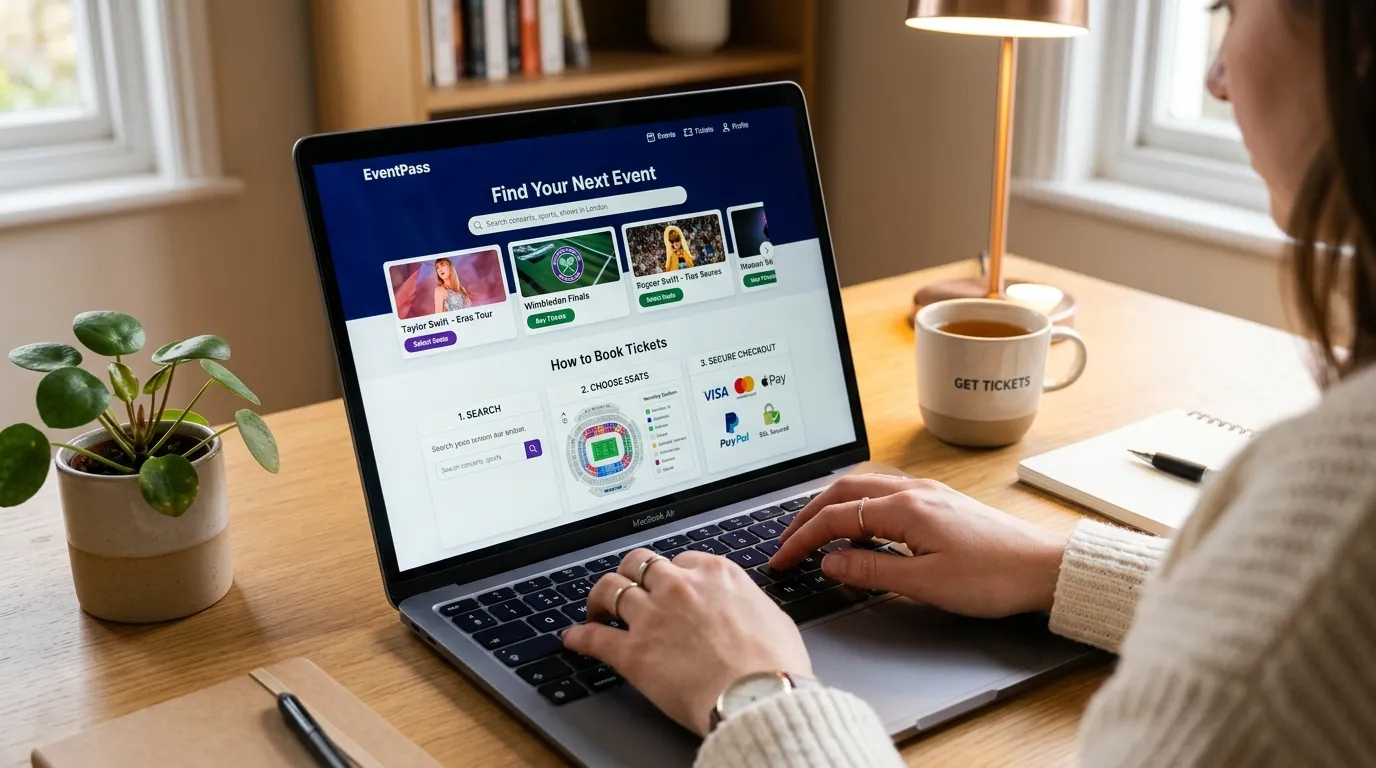
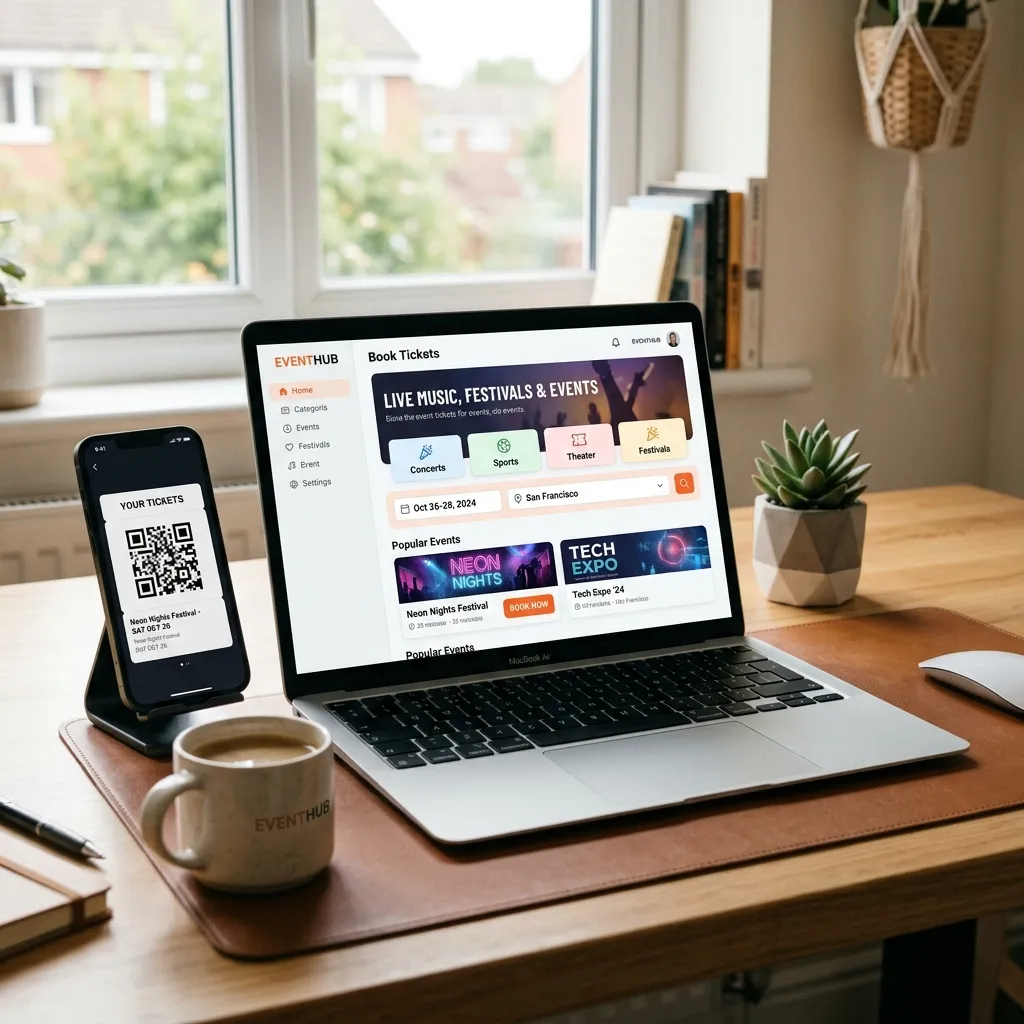
What are the key event ticketing platform features?
 A robust online event ticket booking system serves two distinct groups, so its features split into two categories: tools for attendees and tools for organizers. The best platforms excel at both. Here’s a breakdown of the event ticketing platform features that matter most.
User-facing features for event-goers
The buyer experience determines whether someone completes a purchase or abandons their cart in frustration. Strong attendee features include:
- Intuitive search and discovery: Smart filters, category browsing, and personalized recommendations help users find relevant events fast. The smoother the path from search to checkout, the higher the conversion.
- Secure ticket purchasing: Multiple payment gateways—credit cards, PayPal, and digital wallets—give buyers flexibility while encryption protects their financial data.
- Mobile ticketing and digital wallet integration: Tickets store directly in Apple Wallet or Google Pay, so your smartphone becomes your entry pass. No printing, no lost stubs.
- Interactive seat maps: 3D seating charts and virtual venue tours let buyers confirm sightlines before they pay, eliminating the dreaded obstructed-view surprise.
- Personalization: Event suggestions based on past behavior surface shows you’ll actually want to attend.
- Customer support and FAQ resources: Responsive help and clear answers reduce purchase anxiety and resolve issues quickly.
Organizer-facing features for event creators
Behind every smooth booking sits a powerful set of management tools. The strongest event ticketing platform features for organizers include:
- Event creation and management: Setup, scheduling, and promotion tools let organizers launch an event in minutes and adjust details on the fly.
- Flexible ticket types and pricing: Early bird discounts, VIP packages, group rates, and bundles allow organizers to maximize revenue across different buyer segments.
- Real-time sales tracking and analytics: Live dashboards show exactly how many tickets have sold, when, and to whom—critical data for planning.
- Marketing and promotional tools: Built-in email campaigns and social media integration extend reach without requiring a separate marketing stack.
- Access control and validation: QR code and barcode scanning systems verify tickets instantly at the gate, preventing duplicate entry.
- Reporting and financial reconciliation: Detailed financial summaries simplify accounting and payout tracking.
- CRM integration: Connecting customer data helps organizers build relationships and market future events to past attendees.
When you evaluate any platform, weigh these features against your specific needs. A small community event has very different requirements than a stadium tour.
How Do Event Ticket Booking Platforms Work?
Understanding how event ticket booking platforms work is essential for both attendees and event organizers. While the process may seem simple on the surface—searching for an event, selecting tickets, and completing a purchase—a sophisticated network of technologies works behind the scenes to ensure everything runs smoothly.
A modern online event ticket booking system combines user-friendly interfaces, secure payment processing, real-time inventory management, cloud databases, and advanced security measures to create a seamless ticket-buying experience. Every click, seat selection, and payment confirmation is coordinated across multiple systems within seconds.
To better understand the process, it’s helpful to break the platform into several interconnected layers, each responsible for a specific function.
The Frontend: User Interface and Experience
The frontend is the part of the platform users interact with directly. It’s the visual layer that includes event listings, search tools, seat maps, ticket selection screens, checkout forms, and account dashboards.
A well-designed frontend focuses on simplicity and speed. Users should be able to discover events, compare ticket options, select seats, and complete purchases with minimal effort. Since a large percentage of ticket purchases now happen on mobile devices, responsive design has become one of the most important event ticketing platform features.
Modern frontends often include:
- Smart event search and filtering
- Interactive venue maps
- Personalized recommendations
- Mobile-friendly booking experiences
- Fast checkout processes
- Multi-language support
- Accessibility features for diverse audiences
The goal is to reduce friction throughout the customer journey. Every additional step or confusing screen can increase cart abandonment rates and reduce ticket sales.
Event Discovery and Ticket Selection
The ticket-buying journey usually begins with event discovery. Users browse categories, search for specific performers, venues, or dates, and explore available ticket options.
Once an attendee selects an event, the platform displays real-time ticket availability. Depending on the venue and event type, users may choose from:
- Reserved seating
- General admission tickets
- VIP packages
- Group tickets
- Early-bird pricing tiers
- Special promotional offers
As soon as a customer selects tickets, the system temporarily reserves those seats to prevent others from purchasing them during checkout. This process, often called “seat locking,” is critical during high-demand ticket sales.
The Backend: Databases, Payments, and Security
Behind the visible interface lies the backend—the operational core of the online event ticket booking system. This layer manages data, inventory, transactions, and security.
The backend performs several crucial functions simultaneously:
- Tracks ticket inventory
- Updates seat availability in real time
- Processes transactions
- Generates digital tickets
- Stores customer information
- Handles refunds and cancellations
- Maintains system performance during traffic surges
Real-time inventory management is particularly important. If thousands of people attempt to purchase tickets for a popular concert simultaneously, the platform must continuously update availability to prevent overselling and duplicate bookings.
Cloud-based databases allow these updates to happen instantly across all devices, ensuring every user sees the most current information.
Payment Processing and Transaction Verification
One of the most critical stages of how event ticket booking platforms work is payment processing. Once a customer proceeds to checkout, the platform securely communicates with payment gateways to authorize and complete the transaction.
Supported payment methods often include:
- Credit and debit cards
- Digital wallets
- Mobile payment services
- Bank transfers
- Buy-now-pay-later solutions
The payment process typically involves several verification steps:
- Payment details are encrypted.
- The payment gateway verifies the transaction.
- The issuing bank approves or declines the payment.
- The platform confirms the purchase.
- The ticket inventory updates automatically.
All of this usually occurs within a few seconds.
Security Measures That Protect Users
Security is one of the most important event ticketing platform features. Ticketing systems handle sensitive customer data, including names, email addresses, payment information, and purchase histories.
To protect this information, reputable platforms implement:
- SSL encryption
- Secure payment gateways
- Fraud detection systems
- Multi-factor authentication
- Regular security audits
- Tokenized payment processing
The HTTPS padlock visible in a browser indicates that data transmitted between the user and platform is encrypted. Advanced fraud-prevention tools can also detect suspicious purchasing patterns, helping prevent ticket scalping and unauthorized transactions.
API Integrations: Connecting Multiple Services
Modern event platforms rarely function as standalone tools. Instead, they connect with numerous third-party applications through Application Programming Interfaces (APIs).
These integrations allow information to move automatically between systems without manual intervention.
Common API integrations include:
- Customer relationship management (CRM) platforms
- Email marketing software
- SMS notification services
- Analytics and reporting tools
- Accounting systems
- Social media advertising platforms
- Venue management software
For event organizers, these integrations create a unified workflow that improves efficiency and reduces administrative work.
Digital Ticket Generation and Delivery
After payment is successfully processed, the platform automatically generates a digital ticket linked to the customer’s account.
Digital tickets may be delivered through:
- Email confirmations
- Mobile applications
- Digital wallet integrations
- SMS delivery
- Printable PDF formats
Most modern platforms rely on QR codes or barcodes because they are easy to scan and difficult to duplicate. Some advanced systems use dynamic QR codes that change periodically, providing additional protection against ticket fraud.
Entry Validation and Venue Check-In
The final stage of the ticketing process occurs when attendees arrive at the venue. Event staff use scanning devices or mobile apps to validate each ticket.
When a QR code or barcode is scanned:
- The platform verifies authenticity.
- The system checks whether the ticket has already been used.
- Entry status is updated instantly.
- Fraudulent or duplicate tickets are flagged.
This process typically takes only a few seconds and helps reduce waiting times at entrances while improving security.
Data Security, Privacy, and Compliance
Because ticketing platforms process large volumes of personal information, compliance with privacy regulations is essential.
Depending on the region, platforms may need to comply with regulations such as:
- GDPR (European Union)
- CCPA (California)
- PCI DSS payment security standards
These frameworks govern how customer information is collected, stored, shared, and protected. Reputable providers maintain transparent privacy policies and give users control over their personal data.
Before using any online event ticket booking system, customers should verify that the platform uses HTTPS encryption, offers secure payment methods, and clearly explains its privacy practices.
The Complete Ticketing Ecosystem
When viewed as a whole, an event ticket booking platform functions as a highly coordinated ecosystem. The frontend helps users discover and purchase tickets. The backend manages inventory, transactions, and security. APIs connect external tools and services. Digital ticketing systems validate access and protect against fraud.
Together, these components create the seamless experience that modern event attendees have come to expect. Understanding how event ticket booking platforms work not only helps buyers make safer purchasing decisions but also enables organizers to choose platforms with the right event ticketing platform features to support successful events.
What Are the Benefits of Using an Event Ticket Booking Platform?
 The growing popularity of digital ticketing isn’t just a technological trend—it’s a response to real-world needs. Both event organizers and attendees expect faster, safer, and more convenient experiences than traditional ticketing methods can provide. An online event ticket booking system meets those expectations by simplifying every stage of the ticketing process, from event discovery and purchase to entry management and post-event analysis.
Whether you’re attending a concert, conference, sports event, festival, or community gathering, the benefits of using an event ticket booking platform are substantial. These advantages extend to both sides of the transaction, creating a more efficient and enjoyable experience for everyone involved.
Benefits for Attendees
For event-goers, convenience is often the first thing that comes to mind when discussing digital ticketing. However, modern event ticketing platform features provide far more value than simply allowing online purchases.
Convenience and Accessibility
One of the biggest advantages of an online event ticket booking system is the ability to purchase tickets anytime and from virtually anywhere. Users no longer need to visit physical box offices, wait in long queues, or call customer service centers during limited business hours.
Whether you’re relaxing at home, commuting to work, traveling internationally, or attending another event, you can browse upcoming events and complete a ticket purchase within minutes.
Additional convenience benefits include:
- 24/7 ticket availability
- Mobile-friendly booking experiences
- Quick checkout processes
- Instant confirmation emails
- Easy ticket storage on smartphones
This flexibility significantly improves the overall customer experience and reduces the barriers that often prevent people from attending events.
Access to a Wider Range of Events
Traditional ticket sales were often limited by geography. Today, a single platform can showcase thousands of events across multiple cities, countries, and categories.
Attendees can easily discover:
- Concerts and music festivals
- Sporting events
- Conferences and trade shows
- Theater performances
- Workshops and seminars
- Community events
- Virtual and hybrid events
Many platforms use recommendation algorithms to suggest events based on browsing history, interests, and previous purchases, helping users find experiences they may not have discovered otherwise.
Secure Transactions and Fraud Prevention
Ticket fraud has long been a concern within the events industry. Counterfeit tickets, unauthorized resellers, and payment scams can leave buyers frustrated and financially disadvantaged.
Modern event ticket booking platforms address these risks through advanced security measures such as:
- SSL encryption
- Secure payment gateways
- Fraud detection systems
- Verified ticket issuance
- Dynamic QR codes
- User authentication protocols
These protections help attendees purchase with confidence while reducing the likelihood of fraud and unauthorized ticket duplication.
Instant Ticket Delivery
One of the most appreciated event ticketing platform features is instant ticket delivery. Once payment is successfully processed, digital tickets are generated automatically and delivered within seconds.
Tickets can be stored in:
- Mobile ticketing apps
- Digital wallets
- Email accounts
- Customer dashboards
This eliminates the risk of losing physical tickets and makes last-minute purchases much easier. Even if an attendee buys a ticket just before an event begins, entry remains quick and convenient.
Faster Venue Entry
Digital ticketing significantly speeds up event check-in procedures. Instead of manually inspecting paper tickets, staff can scan QR codes or barcodes instantly.
Benefits include:
- Shorter entry lines
- Reduced wait times
- Improved crowd management
- Contactless admission
- Better security verification
For large-scale events hosting thousands of attendees, these improvements can dramatically enhance the overall experience.
Benefits for Event Organizers
 While attendees enjoy convenience and security, organizers benefit from operational efficiency, expanded reach, and valuable business insights. This is one of the key reasons why understanding how event ticket booking platforms work has become essential for modern event professionals.
Increased Reach and Ticket Sales
Traditional ticket sales methods are limited by location and physical capacity. An event ticket booking platform removes those restrictions by making events visible to audiences around the world.
Through online listings, search engine visibility, email campaigns, social media integrations, and partner networks, organizers can attract attendees far beyond their local markets.
This expanded reach often results in:
- Higher ticket sales
- Increased event awareness
- Better attendance rates
- Stronger brand recognition
- Access to international audiences
For growing event businesses, digital ticketing creates opportunities that would be difficult to achieve through traditional sales channels alone.
Streamlined Operations and Automation
Managing ticket sales manually can consume significant time and resources. Event ticket booking platforms automate many of the tasks that once required dedicated staff.
Automation typically includes:
- Ticket distribution
- Payment processing
- Confirmation emails
- Refund management
- Waitlist administration
- Entry validation
- Reporting and analytics
By reducing administrative workload, organizers can focus more on event planning, marketing, sponsorships, and attendee engagement.
Enhanced Data Insights and Reporting
One of the most valuable event ticketing platform features is access to detailed analytics. Every ticket purchase generates data that can help organizers make smarter decisions.
Platforms often provide insights such as:
- Ticket sales trends
- Revenue performance
- Customer demographics
- Purchase timing patterns
- Geographic audience distribution
- Marketing campaign effectiveness
These analytics help organizers identify what works, optimize future events, and improve overall profitability.
Improved Customer Experience
A smooth ticket-buying process has a direct impact on attendee satisfaction. Customers who enjoy a hassle-free purchasing experience are more likely to attend future events and recommend them to others.
Features that enhance customer experience include:
- Mobile ticketing
- Multiple payment options
- Personalized communication
- Easy ticket transfers
- Self-service account management
- Automated reminders and updates
Happy attendees often become loyal customers, helping organizers build stronger long-term relationships with their audiences.
Cost-Effectiveness and Resource Savings
Traditional ticketing methods involve numerous expenses, including printing, mailing, staffing, and physical infrastructure costs. Digital ticketing reduces or eliminates many of these expenses.
Cost-saving benefits include:
- Reduced printing costs
- Lower administrative expenses
- Less manual labor
- Decreased customer service workload
- Fewer logistical challenges
Because the system handles many tasks automatically, organizers can scale events more efficiently without significantly increasing operational costs.
Better Marketing and Audience Engagement
Many modern platforms include built-in marketing tools that help organizers promote events and engage audiences throughout the event lifecycle.
These tools may include:
- Email marketing campaigns
- SMS notifications
- Social media integrations
- Referral programs
- Discount and promotional codes
- Retargeting capabilities
As a result, organizers can attract more attendees while maintaining ongoing relationships with past customers.
A Win-Win Solution for the Modern Event Industry
The true strength of an event ticket booking platform lies in its ability to create value for both attendees and organizers simultaneously. Attendees benefit from convenience, security, accessibility, and faster event access. Organizers gain automation, broader market reach, detailed analytics, and greater operational efficiency.
As digital experiences continue to shape the future of live events, these advantages make online event ticket booking systems an essential tool for successful event management. Whether you’re purchasing a ticket or organizing a major event, the right platform can improve every stage of the journey while delivering a better experience for everyone involved.
How do you choose the right event ticket booking platform?
Picking the right platform comes down to matching its strengths to your specific situation. Whether you’re an organizer launching events or a buyer choosing where to shop, these criteria guide a smart decision.
Identify your needs first
Start with the basics: What type of event are you running or attending? What scale—50 people or 50,000? What’s your budget? A free community workshop and a touring music festival demand completely different capabilities. Answering these questions narrows your options fast.
Key considerations to weigh
- Customization and branding: Can you brand the booking page to match your event identity? White-label options matter for professional organizers.
- Scalability and reliability: The platform must handle traffic spikes without crashing when a hot event goes on sale. Reliability is non-negotiable during peak demand.
- Fee structures: Platforms charge per-ticket fees, flat subscriptions, or hybrid models. Compare the total cost against the value delivered—the cheapest option isn’t always the best.
- Customer support: Responsive technical assistance saves you during a launch-day crisis.
- Integration capabilities: Confirm the platform connects with the marketing, analytics, and CRM tools you already use.
- Security features: Robust fraud prevention, encryption, and buyer guarantees protect everyone involved.
Choose a large, full-featured platform if you need scale, deep analytics, and broad reach. Choose a lightweight, low-fee tool if you run small events and value simplicity over advanced features.
For buyers comparing where to purchase, our guide to the best ticket booking websites breaks down the top options in detail.
What advanced strategies and trends are shaping ticketing?
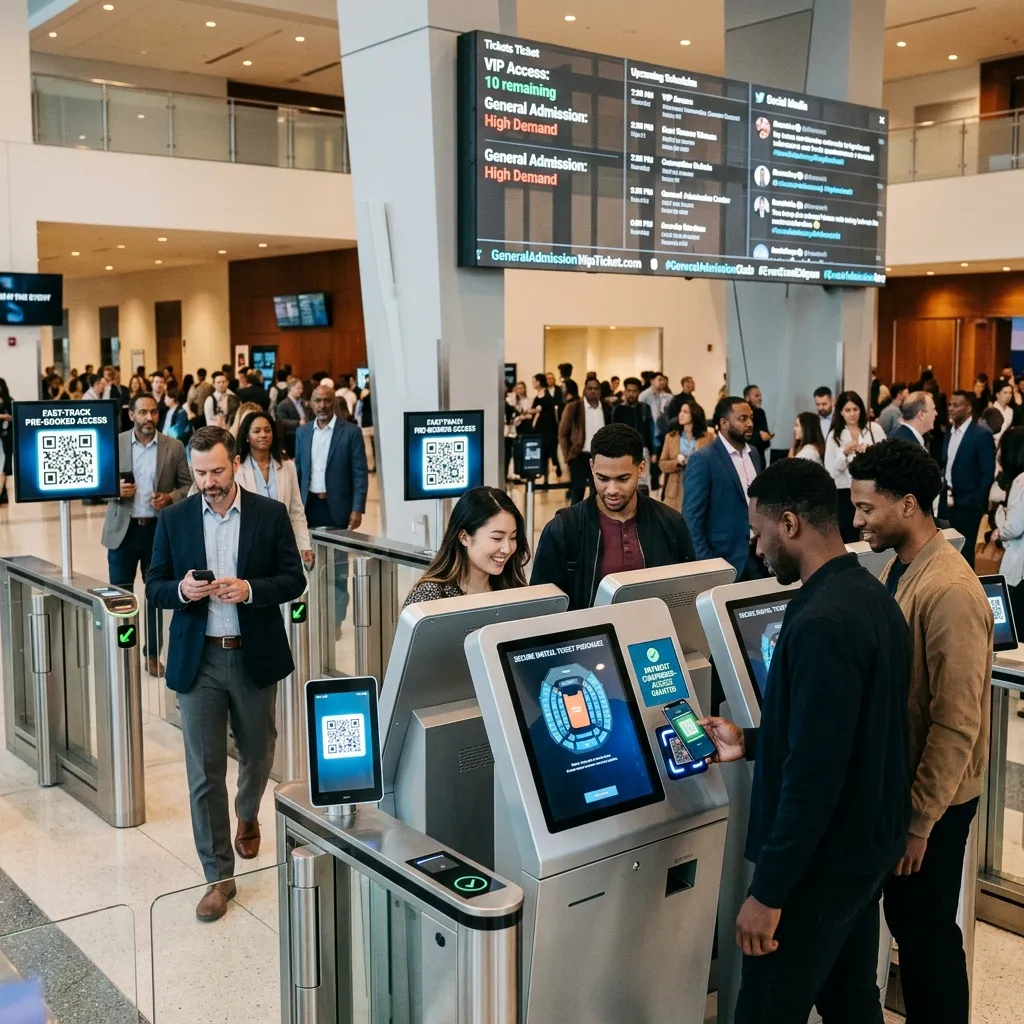 The ticketing industry never sits still. These emerging technologies and strategies are redefining how event ticket booking platforms work and what they’ll offer next.
AI for personalization and dynamic pricing
Artificial intelligence increasingly powers two major functions. First, recommendation engines analyze your past behavior to suggest events you’re likely to love. Second, dynamic pricing algorithms adjust ticket prices in real time based on demand. If you see prices surging in the first minutes of an on-sale, waiting 45 minutes often lets the algorithm settle prices back toward face value once the initial rush clears.
Blockchain for secure ticketing
Blockchain technology promises tamper-proof digital tickets with transparent ownership records. By tying each ticket to a verifiable identity, blockchain can combat counterfeiting and curb scalping. Some systems even build automatic royalties and price caps into the ticket itself, giving organizers more control over the resale market.
Virtual and hybrid event ticketing
Live streaming opened a new ticketing category entirely. Platforms now sell access to virtual and hybrid events, letting fans attend from anywhere while organizers reach audiences far beyond physical capacity.
Subscription models and loyalty programs
Recurring revenue is reshaping the space. Subscription passes and loyalty programs reward frequent buyers with credits, early access, and exclusive perks—building long-term relationships instead of one-off transactions.
Enhanced experiential offerings
Premium is the new standard for many events. VIP packages, exclusive backstage access, and bundled experiences turn a simple ticket into a memorable occasion—and a higher-value sale for organizers.
What are common challenges and how do you solve them?
No system is perfect. Knowing the common pitfalls—and their solutions—prepares you for whatever comes up.
Fraud and the secondary market
Counterfeit tickets and predatory resale remain persistent problems. The solution? Buy only from official vendors or verified resale marketplaces with buyer guarantees. When tickets sell out, the secondary market becomes essential—our guide to the best ticket resale platforms helps you navigate it safely. Understanding how ticket marketplaces work also gives you an edge when comparing your options.
Technical glitches and outages
High-demand on-sales can overwhelm systems and crash servers. Organizers should choose platforms built for scalability. Buyers can protect themselves by logging in early, saving payment details in advance, and downloading tickets to a digital wallet before event day in case venue connectivity falters.
Data privacy concerns
As platforms collect more personal data, protecting it becomes critical. Use strong, unique passwords and enable two-factor authentication on your ticketing accounts. Stick to platforms that comply with GDPR, CCPA, and other privacy regulations. Following safe ticket booking tips adds another layer of protection.
Managing refunds and cancellations
Refund confusion frustrates buyers and organizers alike. The fix is transparency: read cancellation and refund terms before checkout, and keep your confirmation email as proof of purchase. When an event is officially canceled, reputable platforms issue full refunds. For postponements, tickets usually remain valid for the new date.
If you’re researching specific platforms, comparisons like TicketOrbis vs competitors and is TicketOrbis legit can help you vet your choice before you commit.
Real-world examples of ticketing in action
Different events demand different approaches, and the platform landscape reflects that. Major primary vendors like Ticketmaster and AXS dominate large concerts and sports events, partnering directly with venues and leagues to distribute tickets at face value. For sold-out shows, verified resale marketplaces such as StubHub, SeatGeek, and Vivid Seats step in, backing transactions with buyer guarantees.
Niche needs spawned specialized tools. Gametime focuses entirely on last-minute mobile ticketing for sports fans. Twickets enforces face-value caps to keep concert tickets affordable. TodayTix revolutionized theater access with rush tickets and digital lotteries. Each example shows the same core technology adapted to a specific audience—proof that the right platform always depends on the right context.
Conclusion
As the events industry continues to evolve, choosing the right event ticket booking platform has become essential for both organizers and attendees. These platforms simplify every stage of the ticketing journey, from event discovery and secure payments to digital ticket delivery and venue access. Understanding how event ticket booking platforms work and evaluating key event ticketing platform features can help you make smarter decisions whether you’re planning an event or purchasing tickets.
This event ticket booking platform guide has explored the technology, benefits, features, and best practices that power modern ticketing systems. By selecting a reliable online event ticket booking system, organizers can increase efficiency, expand their reach, and improve attendee experiences, while customers enjoy greater convenience, security, and flexibility.
As digital ticketing technology continues to advance, investing in the right event ticket booking platform will remain one of the most important factors in delivering successful events and creating memorable experiences for audiences worldwide.
Frequently Asked Questions
1. What is an event ticket booking platform?
An event ticket booking platform is an online event ticket booking system that lets attendees discover, buy, and manage tickets while giving organizers tools to create events, set pricing, track sales, and validate entry. As explained throughout this event ticket booking platform guide, these systems automate the entire process from event discovery to venue entry.
2. How do event ticket booking platforms work?
Understanding how event ticket booking platforms work starts with four core layers: a frontend interface for browsing and checkout, a backend that manages inventory and payments, API integrations connecting third-party tools, and security protocols protecting user data. When a ticket is purchased, the system updates seat availability instantly and delivers a digital ticket with a scannable code.
3. What are the most important event ticketing platform features?
The most important event ticketing platform features include intuitive search tools, secure payment processing, mobile ticketing, interactive seat maps, and digital ticket delivery. For organizers, essential features include event creation tools, flexible pricing options, real-time analytics, attendee management, QR-code access control, and CRM integrations.
4. How much does it cost to use an event ticket booking platform?
The cost of an online event ticket booking system varies by provider. Some platforms charge per-ticket fees, others use monthly subscriptions, while many combine both models. Comparing total costs, including transaction fees and service charges, helps organizers select the best solution for their needs.
5. Are event ticket booking platforms safe to use?
Yes, reputable event ticket booking platforms are generally safe. They use SSL encryption, secure payment gateways, fraud detection systems, and ticket verification tools to protect users. When choosing an online event ticket booking system, always look for HTTPS encryption, transparent privacy policies, and trusted payment options.
6. What’s the difference between primary and secondary ticketing platforms?
Primary ticketing platforms sell tickets directly from organizers at their original price. Secondary marketplaces facilitate ticket resales between individuals. While primary platforms are usually the preferred option, secondary platforms can provide access to sold-out events through verified ticket exchanges.
7. How do digital tickets prevent fraud?
Modern event ticketing platform features help reduce fraud through QR codes, dynamic barcodes, NFC technology, and account-based verification systems. Many digital tickets refresh automatically, making screenshots and copied tickets ineffective while improving event security.
8. Can organizers customize their event booking pages?
Yes, most professional online event ticket booking systems offer customization features. Organizers can add branding elements such as logos, colors, images, and event-specific content. Some platforms also provide white-label solutions that create a fully branded ticket purchasing experience.
9. What should I do if my ticket doesn’t scan at the venue?
If a digital ticket fails to scan, visit the venue’s box office or support desk immediately. Bring your confirmation email, identification, and payment information. Because event ticket booking platforms store purchase records in real time, staff can usually verify your order and resolve the issue quickly.
10. Who should use an event ticket booking platform?
Anyone involved in organizing or attending events can benefit from an event ticket booking platform. Concert promoters, conference organizers, sports venues, festival planners, and community event managers use these systems to improve operations, while attendees enjoy greater convenience, security, and access to events. This event ticket booking platform guide demonstrates how the right platform can improve experiences for both groups.
