

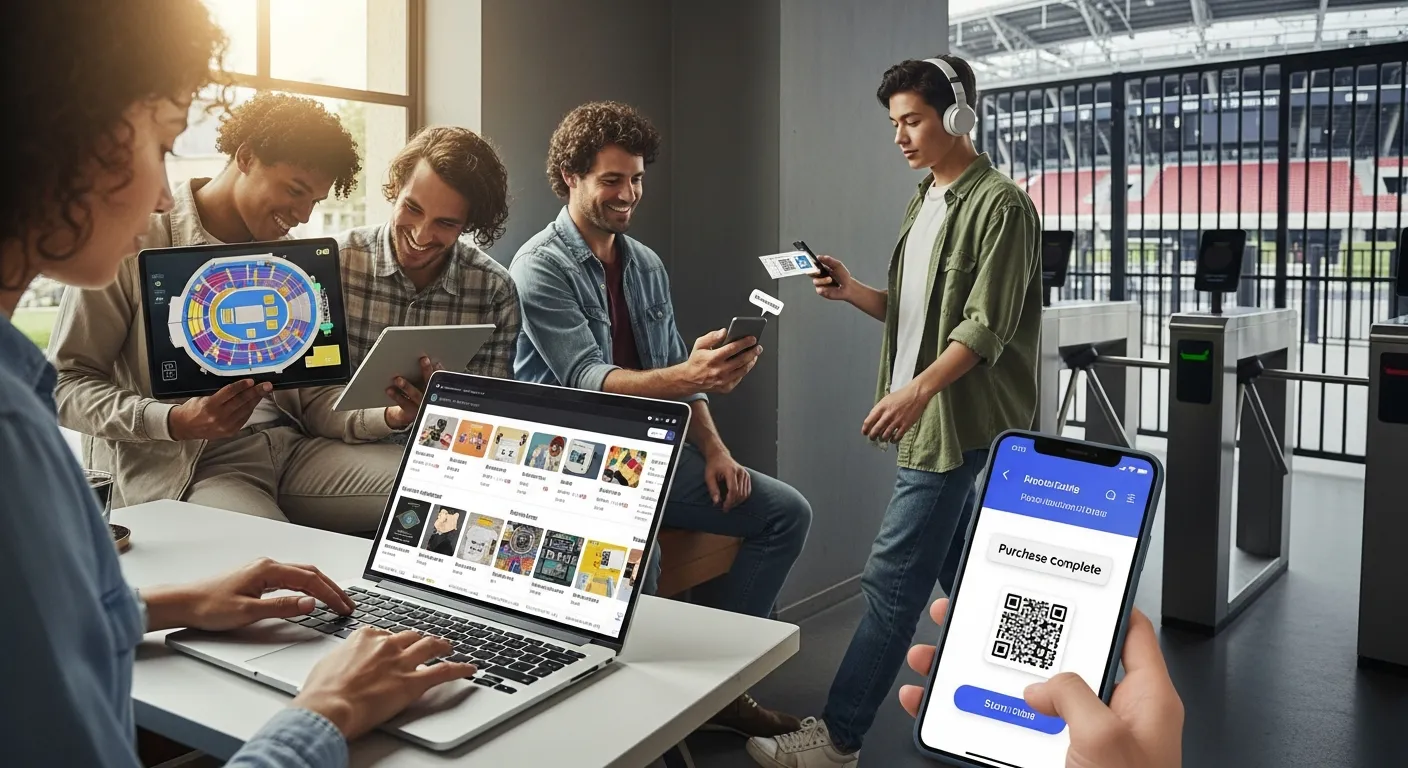
This guide explains how users interact with event ticketing platforms, including browsing behavior, booking patterns, and user experience factors. It highlights engagement strategies, UX improvements, and key insights to enhance ticket booking performance and customer satisfaction.
Understanding how users interact with event ticketing platforms is essential for improving digital experiences, increasing conversions, and building long-term trust in online ticketing systems. Modern users expect fast, simple, and secure booking journeys when purchasing event tickets online, and even small friction in the process can significantly impact their decisions.
Today’s digital ticketing ecosystem includes concerts, sports events, theater shows, festivals, and travel experiences, all competing for user attention. Each interaction—from searching for an event to completing payment—shapes overall satisfaction, trust, and the likelihood of repeat usage. This is why studying event ticket booking user behavior is critical for platform success and continuous improvement.
User expectations have also evolved with technology. Most users now prefer mobile-first experiences, instant confirmations, personalized recommendations, and transparent pricing. If a platform fails to meet these expectations, users are more likely to abandon the process and switch to a competitor.
In this guide, we will explore how users navigate ticketing systems step by step, what psychological and technical factors influence their decisions, and how platforms can optimize engagement, usability, and retention. By understanding these patterns, businesses can design better systems that improve both user satisfaction and overall performance.
Understanding User Behavior in Ticketing Platforms
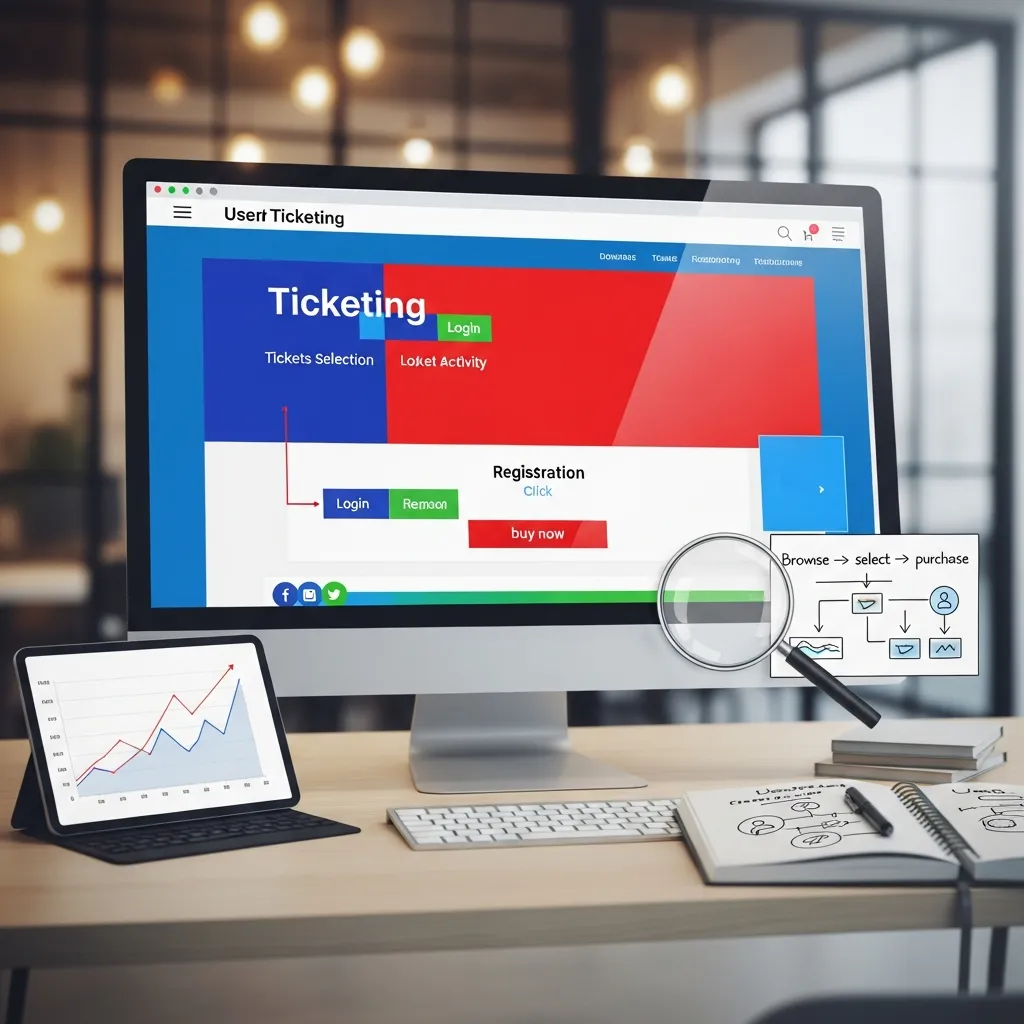 The foundation of how users interact with event ticketing platforms lies in understanding user behavior at every stage of the booking journey. Every click, search query, scroll, and booking decision reflects a combination of intent, urgency, trust level, and emotional motivation. These behavioral signals help platforms improve design, performance, and conversion rates.
Users typically follow a structured journey when interacting with ticketing systems. This journey is not random—it is shaped by decision-making psychology and platform usability.
User Journey Stages:
- Discovering an event
- Comparing ticket options
- Checking availability and pricing
- Making a purchase decision
- Completing payment securely
Each of these stages reflects different patterns of event ticket booking user behavior, influenced by urgency (last-minute vs planned purchases), price sensitivity, and trust in the platform.
Understanding these stages allows businesses to optimize each touchpoint and reduce drop-offs throughout the funnel.
Search and Discovery Phase
The search and discovery phase is the first and most critical step in how users interact with event ticketing platforms. At this stage, users are actively exploring available events based on interest, location, timing, and personal preferences.
Key behaviors include:
- Searching for specific events or artists
- Browsing categories such as concerts, sports, or theater
- Filtering results by date, price range, or venue location
- Comparing multiple ticketing platforms before deciding
During this stage, user engagement in ticket booking platforms is strongly influenced by search speed, relevance of results, and clarity of information displayed. A slow or confusing interface often leads to immediate drop-off, while a smooth and intuitive experience encourages deeper exploration.
Platforms that optimize discovery features—such as smart search, recommendations, and personalized suggestions—tend to retain users longer and increase conversion rates.
For deeper insight into platform structure and functionality, you can explore:
Event Ticket Booking Platform Guide
Decision-Making Process
Once users find relevant events, they move into the decision-making stage, where evaluation becomes more detailed and intentional. At this point, the online ticketing platform user experience plays a crucial role in shaping whether a user completes a purchase or abandons the process.
Users typically compare multiple options before making a final decision. Their evaluation is influenced by both rational and emotional factors, including perceived value, urgency, and trust in the platform.
Users consider:
- Ticket price differences and hidden fees
- Seat selection quality and availability
- Platform trustworthiness and reviews
- Refund, cancellation, and resale policies
A smooth and transparent UX increases the likelihood of conversion significantly. On the other hand, unclear pricing, confusing layouts, or slow response times can cause users to abandon the purchase—even if the event is highly desirable.
For additional safety and purchase guidance, you can explore:
How to Buy Event Tickets Online Safely Guide
Booking Behavior Patterns
 Understanding event ticket booking user behavior is essential for optimizing checkout flows and reducing drop-offs. At this stage, user actions become more focused, time-sensitive, and emotionally driven—especially for high-demand events.
Common behavioral patterns include:
- Quick decision-making for popular or limited-seat events
- High abandonment rates during complex or lengthy checkout processes
- Strong preference for mobile-first booking experiences
- Increased sensitivity to dynamic pricing changes
Users expect fast confirmations, minimal steps, and clear progress indicators during checkout. Even small delays, unexpected fees, or confusing form fields can reduce trust and increase cart abandonment rates.
Platforms that simplify the booking flow and provide instant confirmation tend to achieve higher conversion rates and better user engagement in ticket booking platforms.
Role of User Experience (UX)
The online ticketing platform user experience is one of the most important factors influencing user satisfaction, engagement, and conversions. A well-designed UX directly improves how users interact with event ticketing platforms and encourages repeat usage.
Good UX includes:
- Simple and intuitive navigation
- Fast-loading pages and responsive design
- Clear and detailed event information
- Transparent pricing with no hidden fees
- Easy and streamlined checkout process
Poor UX, on the other hand, often results in frustration, reduced trust, and higher abandonment rates. Users are less likely to return to platforms that create friction during the booking journey.
For more insights into user experience principles, refer to:
Nielsen Norman Group UX Research
By improving UX design, platforms can significantly enhance engagement, reduce drop-offs, and build long-term customer loyalty.
User Engagement in Ticket Booking Platforms
User engagement in ticket booking platforms plays a major role in determining how often users return, interact with listings, and complete future purchases. Higher engagement directly correlates with better retention, stronger trust, and increased lifetime customer value.
When platforms successfully maintain engagement, users are more likely to explore new events, respond to notifications, and complete bookings without hesitation. This creates a continuous cycle of interaction that strengthens overall platform performance.
High engagement is achieved through:
- Personalized event recommendations based on user preferences
- Timely event reminders and notifications
- Special discounts, offers, and promotional campaigns
- Easy rebooking and saved user preferences
Engaged users are significantly more likely to become repeat customers and long-term brand advocates, which is essential for sustainable growth in competitive ticketing markets.
For deeper insights into marketplace systems, explore:
Ticket Resale Marketplace Explained Guide
Mobile vs Desktop Interaction
Today, most users interact with ticketing platforms primarily through mobile devices, making mobile optimization a critical factor in how users interact with event ticketing platforms.
Mobile behavior includes:
- Faster browsing and quicker decision-making
- Higher impulse purchase tendencies
- Preference for simple, clean, and fast user interfaces
Mobile users typically complete transactions in shorter sessions and expect instant access to key information such as pricing, seat availability, and payment options.
Desktop users, on the other hand:
- Spend more time comparing multiple events
- Analyze pricing and seating in detail
- Prefer larger screens for better visualization
Understanding these behavioral differences allows platforms to design responsive systems that adapt effectively to both user types, improving user engagement in ticket booking platforms across all devices.
Payment and Checkout Experience
The checkout stage is the most critical part of how users interact with event ticketing platforms, as it directly determines conversion success or failure.
At this stage, users expect a smooth, secure, and transparent process without unnecessary friction.
Users expect:
- Secure and trusted payment gateways
- Multiple payment options (cards, mobile wallets, etc.)
- Fast transaction confirmation
- Clear and transparent fee breakdowns
Even minor issues such as slow loading, hidden charges, or complicated forms can significantly reduce trust and increase cart abandonment rates. This directly impacts online ticketing platform user experience and overall revenue performance.
For industry insights on checkout optimization, refer to:
Baymard Institute Checkout UX Research
By improving checkout flow efficiency and reducing friction, platforms can significantly increase successful transactions and enhance overall user satisfaction.
Trust and Security Factors
 Trust is one of the most influential elements in event ticket booking user behavior, as users are highly cautious when making online payments for events. A lack of trust can immediately stop a purchase, even if the event is highly attractive or low in price.
Users typically evaluate a platform based on credibility signals before proceeding with any transaction.
Users look for:
- Verified and authentic ticket sources
- Secure and encrypted payment systems
- Clear refund and cancellation policies
- Positive customer reviews and ratings
When these trust signals are missing or unclear, users are more likely to abandon the booking process. Strong security measures and transparent policies significantly improve user engagement in ticket booking platforms and increase conversion rates.
For legal and safety insights, refer to:
Ticket Resale Legality Guide
Pricing Influence on User Interaction
Pricing is one of the strongest psychological triggers affecting how users interact with event ticketing platforms. Even small price changes can significantly influence user decisions and behavior patterns.
Users actively monitor and respond to pricing strategies across platforms.
Users typically:
- Compare ticket prices across multiple platforms
- Wait for discounts, promotions, or early-bird deals
- React strongly to dynamic pricing during peak demand
Pricing strategies directly impact user engagement in ticket booking platforms, especially during high-demand events such as concerts or sports finals. Transparent pricing builds trust, while hidden fees often lead to cart abandonment and loss of users.
Common User Challenges
Despite improvements in digital systems, users still face several challenges when interacting with ticketing platforms. These issues negatively affect how users interact with event ticketing platforms and can reduce trust and satisfaction.
Common challenges include:
- Slow-loading websites during high traffic
- Confusing or poorly designed seat selection maps
- Hidden charges or unexpected fees at checkout
- Payment failures or transaction errors
These problems often lead to frustration, abandoned carts, and negative perceptions of the platform. Over time, they can significantly reduce online ticketing platform user experience and lower customer retention rates.
To improve safety and reduce risks, users can follow best practices here:
Safe Ticket Booking Tips
By addressing these challenges, platforms can create a smoother and more trustworthy booking experience that encourages repeat usage and higher engagement.
Improving User Interaction
Improving how users interact with event ticketing platforms requires a combination of better design, smarter technology, and user-focused optimization strategies. The goal is to reduce friction at every step of the journey while making the booking experience faster, clearer, and more enjoyable.
When platforms prioritize usability, they not only increase conversions but also build long-term trust and repeat engagement.
Platforms can improve engagement by:
- Enhancing UI/UX design for intuitive navigation and clarity
- Reducing checkout steps to minimize drop-offs and confusion
- Providing fully transparent pricing with no hidden charges
- Offering personalized event recommendations based on user behavior
- Improving mobile optimization for faster and smoother access
Each of these improvements directly impacts user engagement in ticket booking platforms, making users more likely to complete bookings and return for future events.
A well-structured interface also reduces cognitive load, helping users make faster decisions without feeling overwhelmed. This is especially important for high-demand events where urgency plays a key role in decision-making.
Ultimately, better design and optimization lead to a significantly improved online ticketing platform user experience, higher conversion rates, and stronger customer loyalty over time.
Future of Ticketing Platforms
 The future of ticketing platforms is rapidly evolving, driven by advancements in artificial intelligence, automation, and digital security. These innovations are reshaping how users interact with event ticketing platforms by making systems more intelligent, predictive, and user-centric.
As competition increases, platforms that adopt emerging technologies early will have a significant advantage in user acquisition and retention.
Future ticketing platforms will focus on:
- AI-based personalization:
Platforms will analyze user behavior to recommend events that match individual interests, improving discovery and engagement. - Predictive event recommendations:
Systems will anticipate user preferences and suggest events even before users actively search for them. - Blockchain ticket verification:
Blockchain technology will enhance security by preventing fraud, fake tickets, and unauthorized reselling. - Faster digital payments:
Seamless, one-click payment systems and digital wallets will make checkout nearly instant.
These innovations will significantly enhance user engagement in ticket booking platforms, reduce friction, and improve overall satisfaction.
In the coming years, ticketing platforms will become more intelligent ecosystems rather than simple booking tools. This shift will redefine digital experiences and further optimize the online ticketing platform user experience at every stage of interaction.
Conclusion
Understanding how users interact with event ticketing platforms is essential for building better, more efficient, and user-friendly digital experiences. Every stage of the customer journey—from discovering an event, comparing options, and evaluating prices to completing checkout—plays a direct role in shaping user satisfaction, trust, and conversion outcomes.
Modern users expect speed, simplicity, and transparency at every step. Even small improvements in navigation, pricing clarity, or payment flow can significantly reduce drop-offs and improve overall engagement. This makes continuous optimization a key part of successful ticketing platforms.
By analyzing event ticket booking user behavior, platforms gain valuable insights into user intent, decision-making patterns, and friction points. These insights help businesses design smarter systems that align with real user expectations rather than assumptions.
Frequently Asked Questions
1. How do users interact with event ticketing platforms?
Users interact with event ticketing platforms by browsing available events, filtering search results, comparing ticket prices, and selecting preferred seats. They also evaluate event details such as timing, venue, and availability before making a decision. Finally, users complete the booking process through secure digital payment systems.
2. What is event ticket booking user behavior?
Event ticket booking user behavior refers to the patterns and actions users follow when searching, evaluating, and purchasing event tickets online. It includes how quickly users make decisions, what factors influence their choices, and how they respond to pricing and availability. Understanding this behavior helps platforms optimize conversion rates and user experience.
3. Why is UX important in ticketing platforms?
UX (User Experience) is important because it directly impacts how easily users can navigate and complete bookings. Good UX builds trust, reduces confusion, and minimizes friction during the booking process. A well-designed interface significantly increases conversions and customer satisfaction.
4. What affects user engagement in ticket booking platforms?
User engagement in ticket booking platforms is influenced by personalization, pricing strategies, ease of navigation, and mobile responsiveness. Features like recommendations, reminders, and promotions also increase user interaction. Higher engagement leads to repeat usage and stronger customer loyalty.
5. Do users prefer mobile ticket booking?
Yes, most users prefer mobile ticket booking due to convenience, speed, and accessibility. Mobile platforms allow users to book tickets anytime and anywhere with just a few clicks. This trend has made mobile optimization essential for ticketing platforms.
6. What is the biggest issue in ticket booking platforms?
The biggest issues include poor user experience, hidden fees, slow website performance, and complex checkout processes. These problems often frustrate users and lead to abandoned bookings. Improving transparency and speed can significantly reduce these challenges.
7. How does pricing affect user behavior?
Pricing has a strong psychological impact on user decisions in ticket booking platforms. Users often compare prices across platforms and wait for discounts or promotional offers. Dynamic pricing can influence urgency and directly affect booking conversions.
8. Why do users abandon ticket purchases?
Users abandon purchases due to complex checkout flows, unexpected fees, or lack of trust in the platform.
Slow-loading pages and payment failures also contribute to abandonment. Simplifying the process and improving transparency can reduce drop-off rates.
9. How can platforms improve user experience?
Platforms can improve user experience by simplifying navigation, reducing checkout steps, and ensuring fast loading times. Clear pricing, mobile optimization, and personalized recommendations also enhance usability. These improvements lead to higher satisfaction and better conversion rates.
10. What is the future of ticketing platforms?
The future of ticketing platforms includes AI-powered personalization, faster digital payments, and blockchain-based ticket verification. These technologies will make booking more secure, faster, and more user-friendly. They will also enhance how users interact with event ticketing platforms by creating smarter and more predictive systems.
