
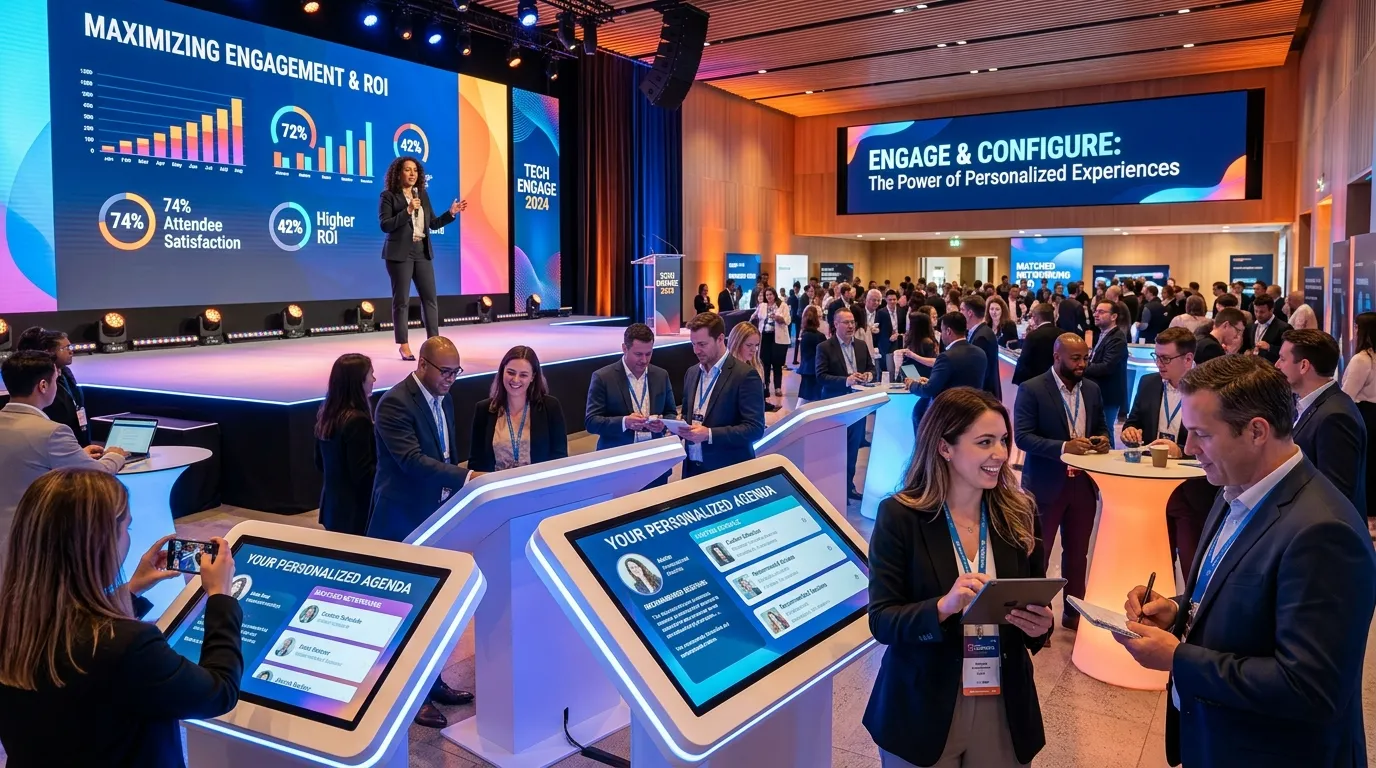
Personalized event experiences use data, technology, and attendee preferences to create more relevant and engaging interactions. By tailoring content, networking opportunities, and event journeys, organizers can improve satisfaction, increase participation, and build stronger connections with attendees.
Personalized event experiences tailor every touchpoint—registration, content, networking, and follow-up—to each attendee’s interests and behavior. By using data, segmentation, and AI, organizers create more relevant, memorable events that boost engagement, satisfaction, and ROI.
Attendee expectations have shifted dramatically. People no longer want to sit through one-size-fits-all agendas or sift through irrelevant sessions to find something useful. They want events that feel built for them—sessions that match their goals, networking matches that make sense, and communication that respects their time.
That shift has turned personalized event experiences from a nice extra into a core requirement. The events that win attention, drive participation, and earn repeat attendance are the ones designed around individuals, not crowds. When an attendee feels seen, they engage more, stay longer, and come back.
This guide breaks down exactly how to deliver personalized event engagement at every stage. You’ll learn why personalization matters, the core pillars that make it work, practical strategies for pre-event, in-event, and post-event personalization, the technology that powers it, and how to measure the impact. Whether you run a 50-person workshop or a 50,000-attendee conference, these event personalization strategies will help you create experiences people remember—and ROI you can prove.
Why do personalized event experiences matter so much?
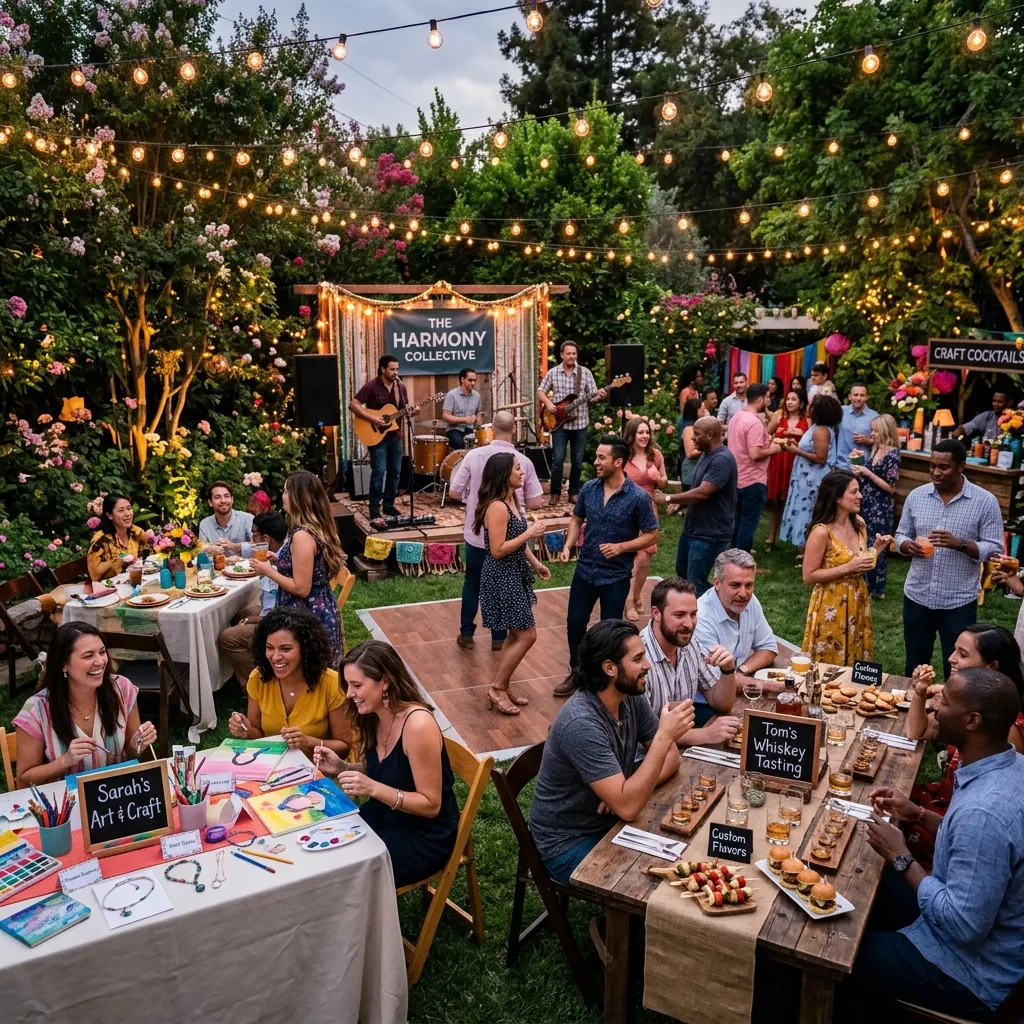 Personalization works because relevance drives action. An attendee who receives session recommendations tied to their job role is far more likely to show up, participate, and walk away satisfied than one handed a generic schedule. The more an event speaks to someone’s specific needs, the deeper their connection to it.
The benefits run in both directions.
For organizers, personalization delivers measurable returns. Tailored experiences boost engagement rates, increase attendee loyalty, and generate richer first-party data. That data fuels smarter decisions for every future event, creating a cycle of continuous improvement. Personalized communication also cuts through inbox clutter—messages that reference an attendee’s interests get opened, while generic blasts get ignored.
For attendees, the payoff is relevance and satisfaction. Instead of wading through content that doesn’t apply to them, they get a curated journey that feels effortless. Personalized networking introduces them to people worth meeting. Custom agendas help them spend time on what matters. The result is a more memorable experience—and memorable experiences are what people share and return for.
This reflects a broader move away from mass marketing toward individual journeys. As covered in this guide on improving attendee experience at events, designing around the audience rather than the agenda is what separates forgettable events from ones people rave about. Personalization is simply that principle applied to every single attendee.
What are the core pillars of personalized event engagement?
Strong personalization rests on a few foundational pillars. Get these right, and every tactic you layer on top becomes more effective.
How do you collect and use attendee data ethically?
Data is the engine of personalization. Without it, you’re guessing. The key is collecting the right information and using it responsibly.
Focus on data that directly informs the experience: job role, industry, session interests, networking goals, dietary needs, and accessibility requirements. Behavioral data—which sessions someone views, which booths they visit, which emails they open—adds another layer of insight.
Ethics matter as much as accuracy. Always be transparent about what you collect and why. Let attendees control their own data, get clear consent, and comply with privacy regulations like GDPR and CCPA. Personalization should feel helpful, never invasive.
What segmentation strategies work best for events?
Demographics alone won’t cut it. The richest personalization comes from segmenting on multiple dimensions.
- Demographics: Job title, seniority, company size, and location give you a basic framework.
- Psychographics: Motivations, goals, and challenges reveal what attendees actually want from your event.
- Behavior: Past attendance, session history, and engagement patterns predict future interests.
- Preferences: Stated interests from registration or surveys let you tailor content directly.
A first-time attendee and a returning VIP need very different experiences. Smart segmentation ensures each group gets a journey that fits.
How do you customize event content for individuals?
Content customization turns a fixed program into a personal one. Use what you know about each attendee to recommend relevant sessions, highlight speakers in their field, and suggest tracks aligned with their goals.
A marketing director and a software engineer attending the same conference should see different “recommended for you” lists. Tailored agendas, curated session spotlights, and personalized content feeds make a large event feel intimate—and signal that you respect each guest’s time.
How do you personalize event communication?
Communication is where personalization is most visible. Generic emails get deleted; personalized ones get read.
Tailor your messaging across the full lifecycle. Before the event, send invitations and reminders that reference an attendee’s interests and recommended sessions. During the event, deliver real-time nudges about sessions starting soon or networking matches nearby. After the event, follow up with content tied to what each person actually attended. For more on driving interaction across digital touchpoints, this complete guide to user engagement in digital events breaks down strategies that keep audiences active before, during, and after an event.
How do you craft a personalized attendee experience at every stage?
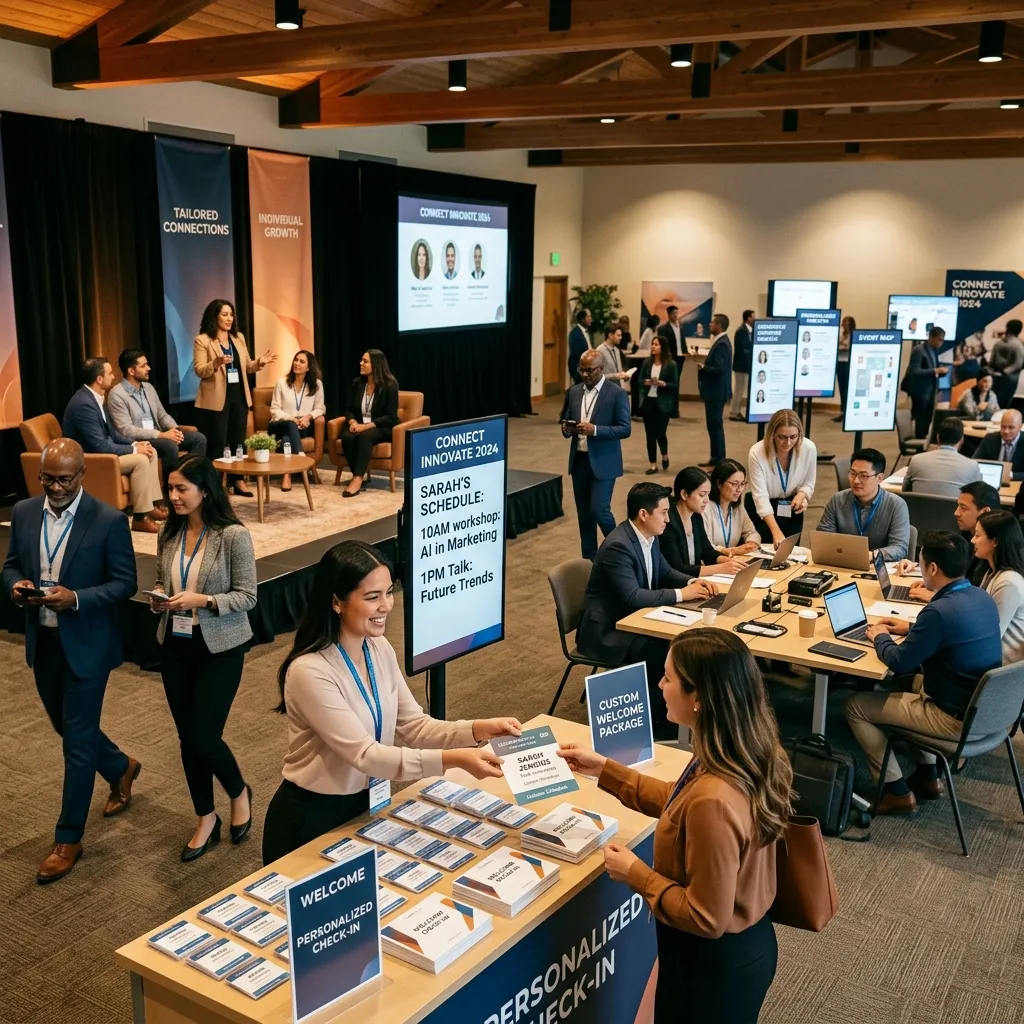 Personalization isn’t a single feature—it’s a thread that runs through the entire event journey. Here’s how to apply it from the first invitation to the final follow-up.
What pre-event personalization strategies build anticipation?
What happens before the event sets the tone for everything after. Prepared, excited attendees show up ready to engage.
Customize onboarding and registration. Build smart registration forms that adapt based on responses. Ask about goals, interests, and session preferences upfront, then use those answers to shape the experience. A registration that feels relevant signals that the whole event will be.
Deliver personalized content before the doors open. Send welcome emails that recommend sessions based on stated interests. Include digital welcome kits tailored to attendee type—first-timers get orientation guides, returning guests get what’s new. Every message should feel handpicked.
Suggest networking matches early. Use interests and goals to recommend who an attendee should meet. Early connections reduce first-day awkwardness and increase the odds people arrive ready to engage. As the research on how users interact with event ticketing platforms shows, reducing friction from the very first interaction shapes how attendees feel before they ever arrive.
What in-event personalization keeps attendees engaged?
The live experience is where personalization proves its worth. The goal is to make every attendee feel the event was built for them.
- Custom agendas and session recommendations: Give each attendee a personalized schedule based on their interests, plus real-time suggestions for sessions they might otherwise miss.
- Tailored interactive elements: Offer polls, Q&A, and activities matched to attendee segments, so the interaction feels relevant rather than generic.
- Personalized wayfinding and assistance: Use event apps to guide attendees to their next session, recommended booth, or networking match with directions tailored to where they are and what they care about.
- Gamification and rewards: Build challenges and leaderboards tied to individual engagement. Reward attendees for the specific behaviors that matter to them, turning participation into a personal game.
These touches transform passive attendees into active participants who feel genuinely catered to.
What post-event personalization sustains the connection?
The event isn’t over when the lights go down. Thoughtful, personalized follow-up determines whether attendees return.
Send personalized feedback surveys. Tailor questions to the sessions each person actually attended. Relevant surveys get higher response rates and yield far more useful insights.
Deliver tailored follow-up content. Share session recordings, slides, and resources that match each attendee’s journey. Someone who attended three marketing sessions should receive marketing-focused follow-ups, not a generic content dump.
Recommend future events. Use behavioral and interest data to suggest upcoming events each attendee will genuinely care about. Personalized recommendations keep your community engaged between events and drive repeat attendance.
How does technology enable personalized event experiences?
Personalization at scale is impossible to manage manually. The right technology removes friction and unlocks experiences you simply couldn’t deliver by hand.
How do AI and machine learning drive personalization?
Artificial intelligence is the engine behind modern event personalization. AI and machine learning analyze attendee behavior to recommend relevant sessions, suggest high-value networking matches, and surface content tailored to individual interests. As noted in industry analysis from EventMB, AI-powered recommendations make large events feel personal, which directly increases participation.
Machine learning also improves over time. The more data it processes, the sharper its recommendations become—turning each event into a smarter, more tailored experience than the last.
Which event platforms support personalization features?
Your event platform is the foundation. Look for built-in personalization tools: customizable agendas, recommendation engines, AI-powered matchmaking, and adaptive content feeds. A platform with these features baked in saves enormous manual effort.
The right event ticket booking platform also feeds personalization from the very first interaction, capturing preferences and behavior that shape the rest of the journey.
How do CRM and marketing automation fit in?
Personalization lives or dies on connected data. Integrating your CRM and marketing automation tools lets attendee information flow seamlessly between systems. Registration data informs email campaigns; behavioral data triggers automated, personalized follow-ups. This integration turns scattered information into coordinated, relevant communication.
What analytics tools measure personalization impact?
You can’t improve what you don’t measure. Data analytics tools track how attendees respond to personalized experiences—which recommendations they act on, which messages they open, where engagement spikes. According to research published by Harvard Business Review, data-driven personalization consistently outperforms generic approaches. These insights replace guesswork with a clear roadmap for refining future events.
What are the challenges and ethical considerations of event personalization?
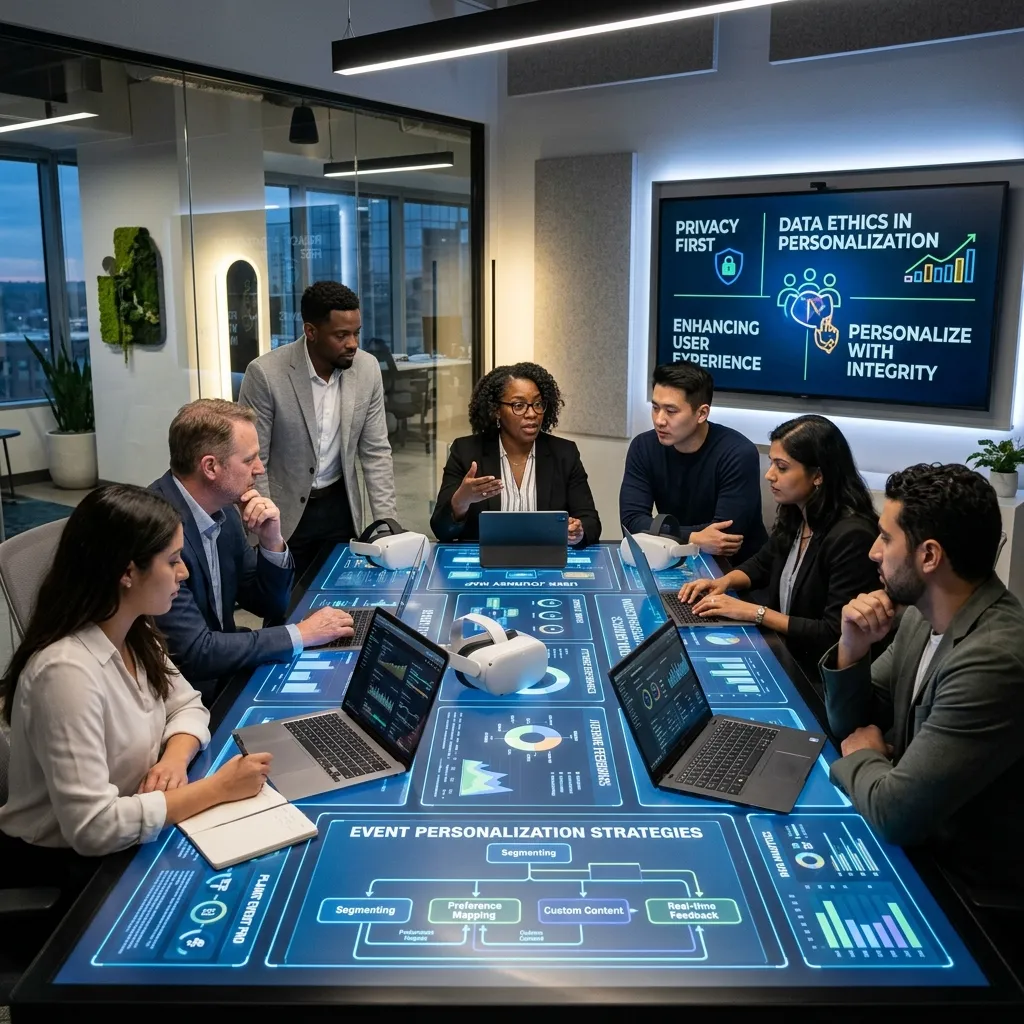 Personalization brings real challenges worth taking seriously.
Data privacy and security top the list. You’re handling sensitive personal information, so robust protection and full compliance with regulations like GDPR and CCPA are non-negotiable. A data breach destroys the trust personalization depends on.
Avoiding “creepy” personalization is a delicate balance. There’s a fine line between helpful and intrusive. Recommending a session based on stated interests feels useful; referencing data an attendee didn’t knowingly share feels unsettling. Be transparent, get consent, and keep personalization in service of the attendee.
Resource allocation and scalability matter too. Personalization takes time, tools, and budget. Start small with high-impact tactics, prove the value, then scale. Technology that automates personalization is essential for delivering it at scale without overwhelming your team.
How do you measure the success of personalized events?
The right KPIs turn vague impressions into proof. Track these metrics to see what’s working:
- Engagement rates: Session attendance, poll responses, app activity, and networking connections show how actively attendees participate.
- Satisfaction scores: Net Promoter Score and post-event survey results reveal how attendees felt about their experience.
- Conversion rates: Track how many attendees act on personalized recommendations, register for future events, or respond to follow-up offers.
- Retention: Repeat attendance is the ultimate signal that personalization is working—people return to experiences that felt built for them.
Pair quantitative metrics with qualitative feedback for the full picture. The numbers tell you what happened; the comments tell you why.
Building events people remember
Personalized event experiences come down to one principle: design every touchpoint around the individual. From a tailored registration form to a custom agenda to a follow-up email that references exactly what someone attended, each personalized moment deepens the connection between attendee and event.
The strategies in this guide work together as a system—collecting data, segmenting smartly, customizing content and communication, and leveraging technology to deliver it all at scale. None stands alone, and the events that succeed treat personalization as a continuous process, not a one-time effort.
Looking ahead, personalization will only grow more powerful as AI matures. What feels cutting-edge today will soon be the baseline attendees expect. The organizers who start now—experimenting, measuring, and refining—will build the loyal audiences of tomorrow.
Start small. Pick two or three personalization strategies, apply them to your next event, measure the results, and expand from there. Your attendees will notice the difference, and your engagement and ROI will show it.
Conclusion
Personalized event experiences have become a key factor in delivering successful and memorable events. Modern attendees expect content, recommendations, and interactions that match their interests and goals. By leveraging event personalization strategies, attendee data, and innovative technologies, organizers can create meaningful experiences that drive engagement and satisfaction. As the events industry continues to evolve, investing in personalization will help organizations strengthen attendee relationships, improve event outcomes, and stand out in an increasingly competitive market.
Frequently Asked Questions
1. What are personalized event experiences?
Personalized event experiences tailor every touchpoint of an event—registration, content, networking, communication, and follow-up—to each attendee’s individual interests, goals, and behavior. Instead of one-size-fits-all programming, attendees receive recommendations and interactions designed specifically for them, which boosts engagement and satisfaction.
2. Why is personalization important for events?
Personalization is important because relevance drives engagement. When content, networking, and communication match an attendee’s specific needs, they participate more actively, stay longer, and are more likely to return. For organizers, personalization increases loyalty, generates richer data, and improves event ROI.
3. What data do you need for event personalization?
Effective event personalization uses demographic data (job role, industry, location), psychographic data (goals and challenges), behavioral data (session views, booth visits, email opens), and stated preferences from registration or surveys. Always collect this data transparently and with attendee consent.
4. How does AI improve personalized event engagement?
AI improves personalized event engagement by analyzing attendee behavior to recommend relevant sessions, suggest networking matches, and surface tailored content automatically. Machine learning refines these recommendations over time, making each event more personal and increasing participation at scale.
5. What are the best pre-event personalization strategies?
The best pre-event personalization strategies include adaptive registration forms, welcome emails with session recommendations based on stated interests, tailored digital welcome kits, and early networking suggestions matched to attendee goals. These build anticipation and ensure attendees arrive ready to engage.
6. How do you personalize the attendee experience without being intrusive?
Personalize without being intrusive by staying transparent about what data you collect and why, getting clear consent, and only using information attendees knowingly shared. Keep personalization in service of the attendee—helpful recommendations feel good, while using hidden data feels unsettling.
7. What technology do you need for personalized events?
You need an event platform with personalization features (custom agendas, recommendation engines, AI matchmaking), AI and machine learning tools, integrated CRM and marketing automation, and data analytics tools to measure impact. Together, these enable personalization at scale.
8. How do you measure the ROI of personalized events?
Measure the ROI of personalized events by tracking engagement rates (attendance, polls, app activity), satisfaction scores (NPS and surveys), conversion rates (actions on recommendations, future registrations), and retention (repeat attendance). Pair these metrics with qualitative feedback for a complete picture.
9. What are the challenges of event personalization?
The main challenges of event personalization are data privacy and security, avoiding intrusive or “creepy” personalization, and managing the resources required to deliver it at scale. Address these with strong data protection, transparent consent, and technology that automates personalization efficiently.
10. Who benefits from personalized event experiences?
Both attendees and organizers benefit. Attendees enjoy more relevant, satisfying, and memorable events tailored to their needs, while organizers gain higher engagement, stronger loyalty, richer data, and improved ROI from repeat attendance and word of mouth.
