

This article explains the safest and most reliable payment methods for buying tickets online. It covers secure payment options such as credit cards, digital wallets, bank transfers, and trusted payment gateways while highlighting common scams to avoid. Readers will also learn practical tips to protect personal and financial information during online ticket purchases.
Buying tickets to see your favorite artist, attend a major sporting event, or secure a flight for your next vacation should be an exciting moment. However, the rapid expansion of digital marketplaces has brought an accompanying wave of sophisticated online scams. Fraudsters constantly target eager fans and travelers, hoping to steal their hard-earned money before they ever reach the venue or airport.
Protecting your financial information requires more than just hoping for the best. Understanding and utilizing secure payment methods for tickets is the most effective way to ensure your purchase is legitimate. When you use the right payment channels, you benefit from built-in safety nets that can recover your funds if a transaction goes wrong. Conversely, using the wrong payment methods can leave you with no recourse when a scammer disappears with your cash.
Choosing secure payment methods for tickets also helps protect your sensitive banking details from hackers, phishing scams, and fraudulent sellers. Whether you are purchasing concert tickets, airline tickets, or event passes, using trusted payment systems greatly reduces the risk of financial fraud and unauthorized transactions.
This comprehensive guide will break down the common risks associated with online ticket purchasing and explain the technology that keeps your data safe. We will review the most reliable payment options available today, highlight the red flags of fraudulent websites, and provide actionable advice to keep your transactions safe from start to finish using secure payment methods for tickets.
 The secondary ticketing market is heavily targeted by scammers because the product is often high-value and emotionally driven. Fans who miss out on the primary sale are frequently willing to pay a premium to attend, creating an environment ripe for exploitation, which makes secure payment methods for tickets extremely important.
Legitimate ticket vendors must comply with the Payment Card Industry Data Security Standard (PCI DSS). Created by major credit card companies, the PCI Security Standards Council mandates strict rules for any business that processes, stores, or transmits credit card information. PCI DSS compliance ensures the vendor maintains secure networks, regularly tests their security systems, and protects stored cardholder data.
Popular Secure Payment Methods for Tickets
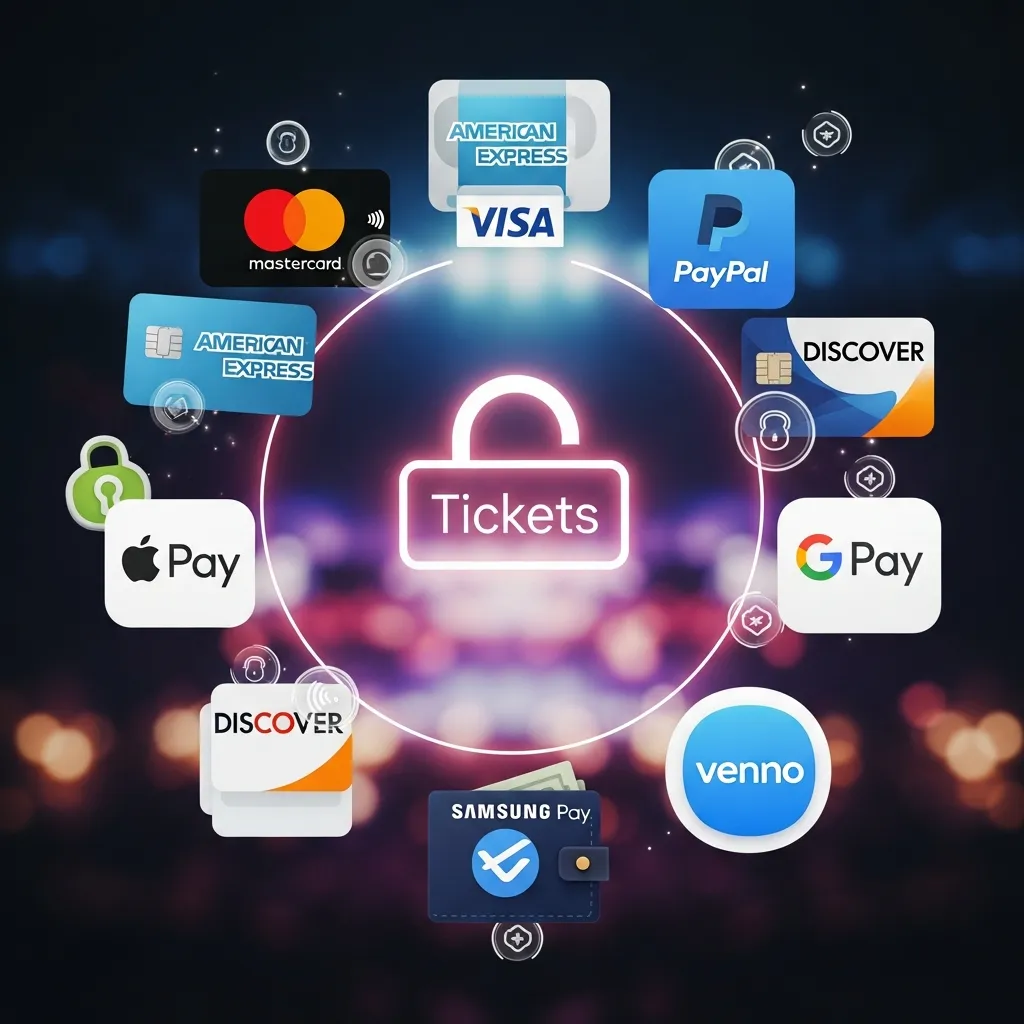 Choosing the right payment method dictates the level of protection you receive. Not all payment options offer the same safeguards against fraud.
Credit and Debit Cards
Credit cards are widely considered the safest way to purchase event and travel tickets online. They are universally accepted and come with strict federal regulations that protect consumers.
Benefits: Chargeback Protection and Widespread Acceptance
The primary advantage of using a credit card is the ability to initiate a chargeback. If you purchase tickets that turn out to be fake, or if the event is canceled and the vendor refuses to refund you, you can contact your credit card issuer. They will investigate the claim and can forcibly reverse the charge, returning your money. Debit cards offer similar protections, but because the funds are drawn directly from your checking account, a compromised debit card can temporarily leave you without access to your own cash.
Security Features: EMV Chips, Tokenization, Fraud Monitoring
Credit card networks use tokenization for online transactions. Instead of transmitting your actual card number to the ticket vendor, the network generates a unique, single-use token to process the payment. If the vendor’s database is hacked later, your actual card details remain hidden.
Tips for Safe Card Use
Always monitor your monthly statements for unauthorized charges. Set up purchase alerts on your mobile banking app so you are notified the moment a ticket transaction occurs.
Digital Wallets (PayPal, Apple Pay, Google Pay)
Digital wallets have surged in popularity due to their convenience and high level of security. They act as an intermediary between your bank account and the ticket seller.
Benefits: Convenience and Enhanced Security
Digital wallets store your payment information securely on their servers or within your device’s secure enclave. When you buy a ticket using Apple Pay or Google Pay, the vendor never sees your actual credit card number.
How They Protect Your Financial Information
These platforms require biometric authentication—such as a fingerprint or facial recognition—to authorize a payment. PayPal also offers a robust Buyer Protection program. If you pay for a ticket through PayPal and the item is significantly not as described or never arrives, PayPal will help you secure a full refund.
Use Cases in Ticket Purchasing
Digital wallets are highly effective for mobile ticket purchasing. Because you do not need to manually type your credit card details, you can checkout much faster. This speed is a massive advantage when trying to secure seats for high-demand, rapid-sellout concerts.
Bank Transfers
Bank transfers involve moving money directly from your bank account to the seller’s account. This method is common for large corporate purchases but carries significant risks for individual buyers.
Benefits: Direct and Sometimes Lower Fees
For bulk ticket purchases or corporate suites, a direct bank transfer might reduce the processing fees associated with credit cards.
Risks: Irreversible and Limited Buyer Protection
Bank transfers act similarly to handing someone physical cash. Once the money is sent, the transaction is extremely difficult to reverse. Scammers frequently demand bank transfers because they know the victim will have almost no way to recover the funds once the fraud is discovered.
When to Consider and When to Avoid
You should completely avoid bank transfers when dealing with private sellers on social media or unverified secondary platforms. Only use this method if you are dealing directly with a trusted, primary venue box office for a large corporate order.
Cryptocurrencies
Cryptocurrency is an emerging payment method in the ticketing space. Some progressive vendors and tech-focused events now accept Bitcoin or Ethereum.
Benefits: Decentralization and Anonymity
Crypto transactions do not require a central bank, which appeals to buyers looking for privacy.
Risks: Volatility, Irreversibility, Technical Complexity
The blockchain ledger is permanent. If you send cryptocurrency to a fraudulent ticket seller, there is no customer service department to call and no chargeback process to initiate. The money is gone forever.
Future Outlook in Ticketing
While some platforms are exploring blockchain technology to create non-transferable, fraud-proof smart tickets, using crypto as a payment method for standard tickets remains a niche and highly risky choice for the average consumer.
The Role of Ticket Marketplaces in Payment Security
The platform you choose to facilitate your purchase plays a massive role in keeping your money safe. Legitimate marketplaces invest heavily in creating secure environments for buyers and sellers to interact.
How Legitimate Marketplaces Ensure Secure Transactions
Authorized resale platforms act as a neutral third party to ensure both the buyer and seller fulfill their obligations.
Escrow Services
Trustworthy secondary marketplaces use escrow systems. When you purchase a ticket, the platform charges your credit card but holds the funds in a secure account. The seller does not receive the money until after the event has successfully taken place. This completely removes the financial incentive for a scammer to list fake tickets.
Buyer Protection Policies
Major platforms offer comprehensive guarantees. If the ticket you purchase is invalid at the gate, the platform promises to find you a comparable replacement ticket or issue a 100% refund.
Verified Sellers
Secure platforms require sellers to provide valid identification and a matching credit card before they can list inventory. This strict vetting process deters casual scammers from attempting to use the site. You can read more about securing your purchases through verified systems in our guide on safe ticket booking tips.
Red Flags to Watch Out For on Unofficial Sites
Not all ticket websites operate ethically. You must learn to identify the warning signs of a fraudulent marketplace.
Lack of Clear Payment Options
Legitimate platforms prominently display their accepted payment methods, highlighting major credit cards. If a site obscures how you will pay until the very last screen, proceed with extreme caution.
Requests for Unusual Payment Methods
This is the most critical red flag. If a website or an individual seller asks you to pay using prepaid gift cards, peer-to-peer cash apps, or wire transfers, stop the transaction immediately. These methods strip away all consumer protections.
No Clear Contact Information
A trustworthy business provides clear customer support channels, including a phone number, live chat, and a physical corporate address. Fraudulent websites often have no contact page or only provide a generic web form that leads to an unmonitored inbox.
Best Practices for Buyers: Ensuring Secure Ticket Purchases
Combining secure payment methods for tickets with smart buying habits creates an impenetrable defense against fraud. Follow these best practices every time you browse for seats.
Research the Vendor and Marketplace Thoroughly
Never buy from a website you have never heard of without doing background research. Search the company name alongside words like “scam,” “reviews,” or “fake.” Read feedback on independent consumer review sites to see how the platform handles disputes.
Look for Secure Website Indicators
Always verify the website’s security before typing your personal details. Ensure the URL starts with “https” rather than “http.” Check the address bar for subtle misspellings. Scammers often register domains like “Ticketmastter.com” to trick users who type too quickly.
Read Reviews and Testimonials
If you are buying from an individual seller on a platform that allows peer-to-peer sales, scrutinize their user profile. Look for sellers with a long history of successful transactions and highly positive feedback. Avoid accounts that were created mere days ago and have zero reviews.
Understand the Refund and Dispute Resolution Policies
Before you finalize payment, locate and read the platform’s refund policy. You need to know exactly what happens if the event is canceled or postponed. Legitimate sites have transparent, easy-to-find policies, while fraudulent sites hide behind vague language.
Use Strong, Unique Passwords
If you create an account on a ticketing platform, use a complex and unique password. Reusing passwords across different websites means that if one site suffers a data breach, your ticketing account and stored payment information could be compromised.
Be Wary of Unsolicited Offers and Too-Good-To-Be-True Deals
Scammers prey on desperation. If a massive stadium tour is completely sold out, and you suddenly receive an email or a direct message offering front-row seats below face value, it is almost certainly a trap. Trust your instincts; if an offer seems too good to be true, it usually is.
What to Do If You Encounter Payment Issues or Fraud
Even the most cautious buyers can occasionally fall victim to sophisticated scams. If you realize you have been defrauded, swift action is your best tool for recovery.
Contact Your Bank or Payment Provider Immediately
The moment you suspect fraud, call the customer service number on the back of your credit card. Report the transaction as fraudulent and request a chargeback. The faster you act, the higher your chances of successfully freezing the funds and reversing the charge.
Report Fraudulent Activity to the Marketplace or Authorities
If you purchased the ticket through a secondary platform, contact their support team immediately to trigger their buyer guarantee protocols. You should also report the fraudulent seller to the Better Business Bureau (BBB) Scam Tracker. Additionally, you can file a formal complaint with the Federal Trade Commission (FTC), which helps law enforcement track down and prosecute online fraud networks.
Document All Communications and Transactions
Preserve every piece of evidence related to the sale. Take screenshots of the original listing, save all email correspondence, and keep copies of the invalid tickets. Your bank and the ticketing platform will require this documentation to process your refund claim.
 Purchasing tickets online does not have to be a stressful endeavor. As sca mmers continually evolve their tactics, the payment industry responds by developing stronger encryption and more intelligent fraud prevention systems to improve secure payment methods for tickets.