

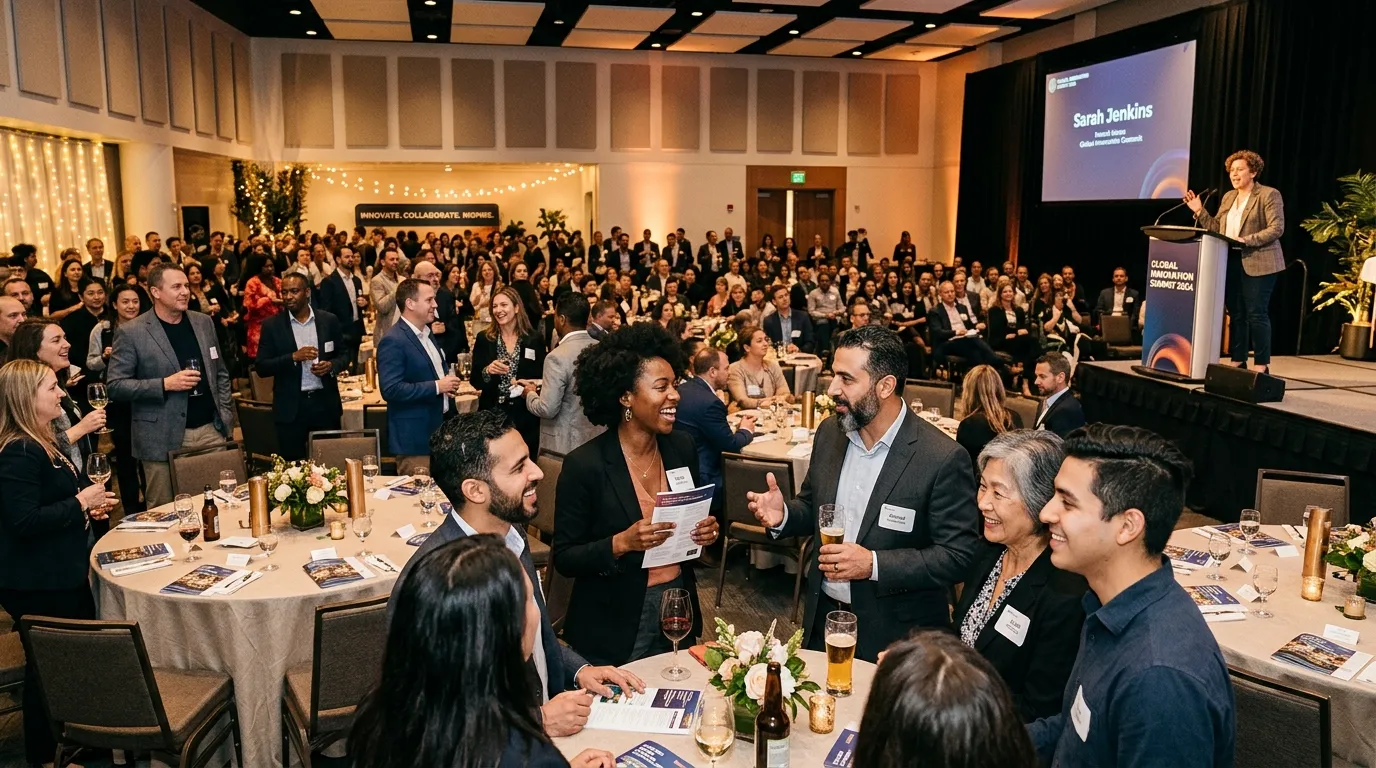
Event attendance behavior reflects how and why people choose to attend events. Learn the key factors influencing attendee decisions, emerging event attendance trends, and practical strategies to improve engagement, increase registrations, and enhance the overall event experience.
Event attendance behavior describes how people decide whether to attend an event, from first awareness to final check-in. It is shaped by content value, marketing, accessibility, price, social influence, and follow-up. Organizers who study event attendee behavior and current event attendance trends can predict turnout, reduce no-shows, and design experiences people return to.
Attendance is no longer a simple yes-or-no decision. Today’s event-goers evaluate dozens of factors before committing, including ticket price, venue location, speaker quality, networking opportunities, scheduling, convenience, and whether friends or colleagues are attending. The pandemic reshaped expectations, technology transformed event discovery, and economic pressures made attendees more selective about where they invest their time and money.
Understanding event attendance behavior gives organizers a significant competitive advantage. When you know why people register, attend, or cancel, you can create targeted marketing campaigns, optimize pricing strategies, personalize attendee experiences, and improve overall event planning. Studying factors affecting event attendance also helps identify barriers that prevent participation, allowing organizers to address concerns before they impact registrations.
Modern event planning increasingly relies on data and behavioral insights rather than assumptions. Registration analytics, audience segmentation, social media engagement, email performance, and attendee feedback all provide valuable information about changing preferences. By tracking these metrics, organizers can identify emerging event attendance trends, forecast attendance more accurately, and continuously improve future events.
This guide explores the psychology behind event attendee behavior, the most important factors affecting event attendance, and the latest event attendance trends shaping conferences, festivals, trade shows, webinars, and hybrid events. You’ll also discover practical strategies to increase registrations, reduce no-shows, boost attendee satisfaction, and encourage repeat participation.
By the end, you’ll have a clear framework for understanding event attendance behavior and turning behavioral insights into actionable strategies that improve engagement, maximize attendance, and deliver more successful events.
How have event attendance trends shifted in recent years?
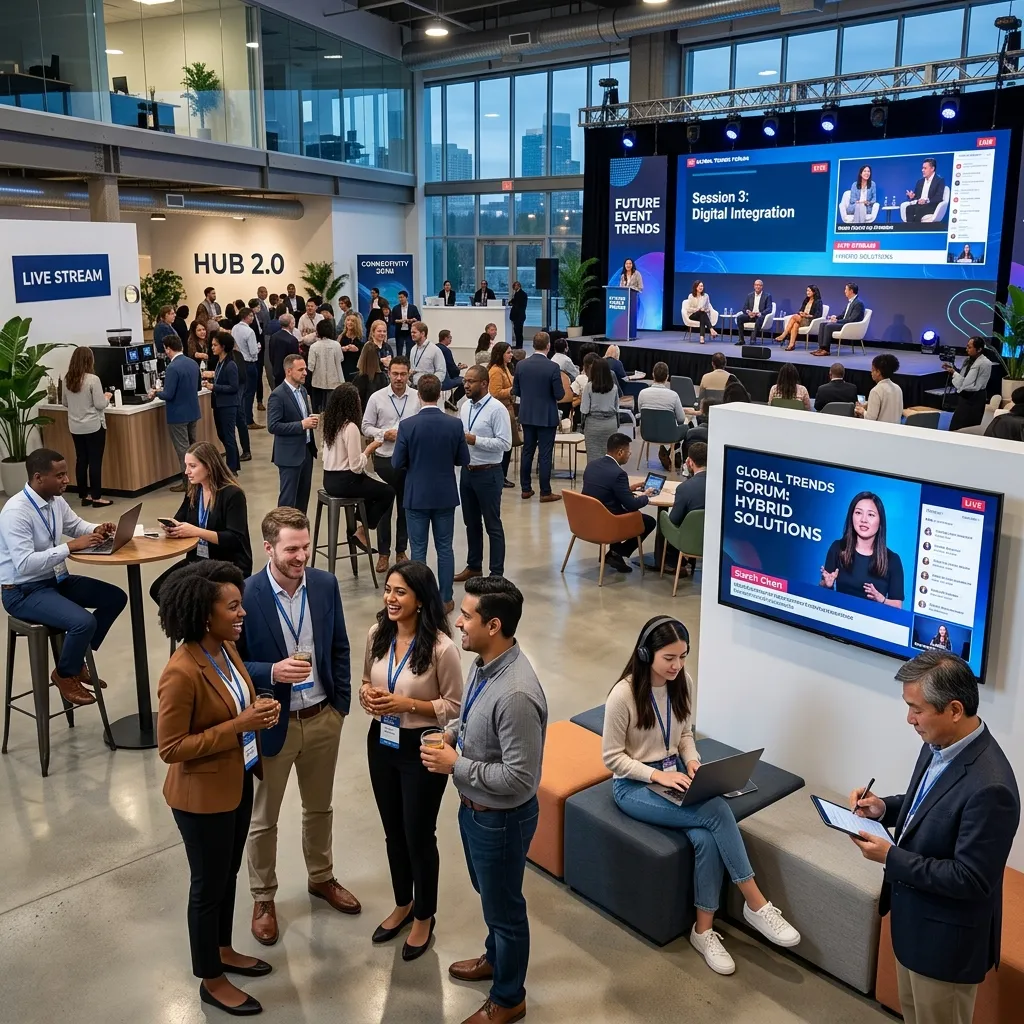 Event attendance trends have changed faster in the last few years than in the previous decade. The shift touches every part of the industry, from how events are delivered to who shows up.
What changed between pre-pandemic and post-pandemic attendance?
Before 2020, in-person events dominated. The pandemic forced a rapid pivot, and the effects have stuck.
- Rise of virtual and hybrid events: Virtual conferences and online summits moved from a backup plan to a permanent fixture. Hybrid models, which blend physical and digital attendance, now let organizers reach audiences no venue could hold.
- Increased focus on health and safety: Attendees pay closer attention to crowd density, ventilation, and flexible refund policies. Clear health communication has become part of the value proposition, not an afterthought.
These changes mean organizers must now plan for multiple attendance formats at once, each with its own behavioral patterns.
How do different generations approach event attendance?
Demographics play a major role in event attendee behavior, and the gaps between age groups are widening.
- Younger generations and digital natives: Millennials and Gen Z discover events through social media, expect mobile-first booking, and value experiences they can share online. They are quicker to make impulse decisions but also quicker to abandon a clunky checkout.
- Older demographics: Older attendees often prefer planned purchases, value clear logistics, and respond well to email communication. They tend to research more thoroughly before committing.
A single event may draw all of these groups, so messaging and booking experiences need to flex accordingly.
How does technology influence who attends?
Technology now shapes event attendance behavior from the first search to the final reminder.
- Social media and online communities: Platforms like Instagram, TikTok, and dedicated community groups drive discovery and create social proof. A friend’s post can do more to fill seats than a paid ad.
- Data analytics in predicting attendance: Organizers increasingly use historical data to forecast turnout, set pricing, and time their marketing. Predictive models help reduce both empty seats and overselling.
What are the main factors affecting event attendance?
The factors affecting event attendance fall into several categories. Most attendance decisions come down to a blend of these forces rather than any single one.
How much does event content and value matter?
Content is the core reason people attend. If the value isn’t clear, nothing else matters.
- Relevance and quality of speakers or performers: A headline name or respected expert can single-handedly drive ticket sales.
- Unique experiences and networking: People attend events for moments and connections they can’t get anywhere else.
- Educational value and professional development: For business events, the promise of new skills or certifications is a powerful draw.
Which marketing strategies move the needle?
Even a great event fails if no one hears about it the right way.
- Effective channels: Social media, email, and strategic partnerships each reach different segments. The best campaigns combine all three.
- Personalization in messaging: Emails that reference an attendee’s interests get opened; generic blasts get ignored. Personalized communication consistently outperforms mass marketing.
- Early bird incentives and tiered pricing: Limited-time discounts and pricing tiers create urgency and reward early commitment.
How do accessibility and convenience affect turnout?
Friction kills attendance. The easier you make it to attend, the more people will.
- Location, venue, and transportation: A hard-to-reach venue or limited parking can deter even interested attendees.
- Ticketing process and platform experience: A confusing or slow checkout drives people away before they buy. As detailed in this guide on how users interact with event ticketing platforms, even small points of friction increase drop-off. A clean, mobile-first booking flow protects your conversions.
- Virtual access and technical requirements: For online events, simple login steps and reliable streaming determine whether people actually show up.
How do economic factors shape attendance decisions?
Money is often the deciding factor, especially for discretionary events.
- Ticket pricing and perceived value: Attendees constantly weigh price against what they’ll get. Transparent pricing builds trust; hidden fees break it.
- Travel costs and accommodation: For destination events, total cost—not just the ticket—drives the decision.
- Economic climate and disposable income: When budgets tighten, entertainment spending is among the first to be cut, so perceived value becomes even more critical.
What psychological and social influences drive attendance?
Many attendance decisions are emotional, not purely rational.
- Fear of missing out (FOMO): The sense that an event is a can’t-miss moment is one of the strongest motivators in event attendee behavior.
- Social proof and peer recommendations: People trust their friends and communities far more than advertising. A recommendation from a peer often seals the decision.
- Personal interests and community belonging: Attendees show up for events tied to their identity and the communities they want to be part of.
Why does post-event engagement matter for future attendance?
The end of one event is the start of the decision about the next.
- Impact on future attendance: A great experience turns first-timers into repeat attendees and advocates.
- Feedback mechanisms and surveys: Asking for input signals that you value attendees, and the data helps you improve. Tailored post-event follow-up keeps your community warm between events.
What strategies actually optimize event attendance?
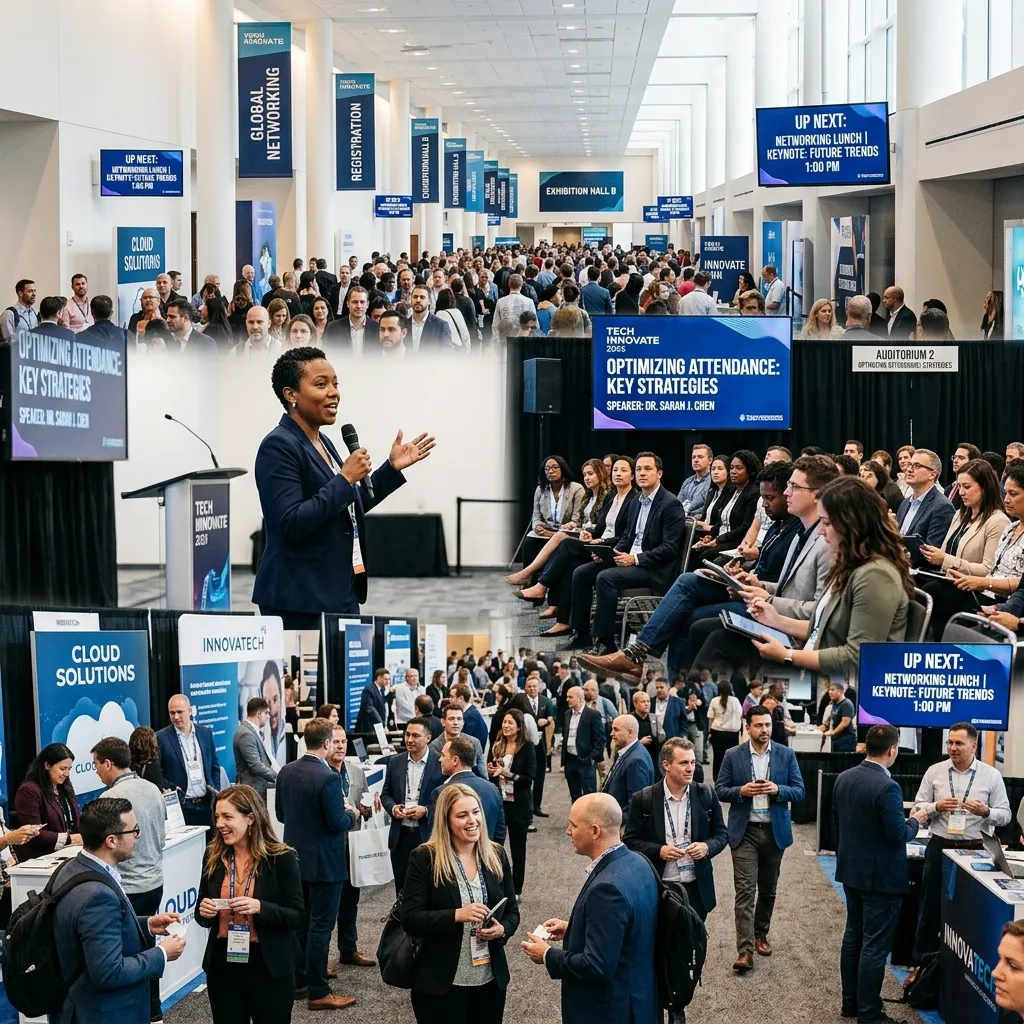 Knowing the factors affecting event attendance is only half the battle. Here’s how to act on them.
How do you use data to plan better events?
Data-driven decisions consistently outperform guesswork.
- Use past attendance data: Historical turnout, no-show rates, and session popularity reveal what to repeat and what to drop.
- Market research and audience segmentation: Group your audience by demographics, behavior, and interests, then tailor your approach to each segment.
How do you improve the attendee journey?
A smooth journey from registration to follow-up keeps people engaged and coming back.
- Seamless registration and onboarding: Make sign-up fast, mobile-friendly, and transparent.
- Engaging content and interactive sessions: Polls, Q&A, and hands-on workshops turn passive attendees into active participants.
- Personalized experiences: Tailoring the journey to individual interests boosts satisfaction and loyalty. This guide on personalized event experiences breaks down how relevance drives engagement at every stage.
How does technology boost engagement?
The right tools remove friction and unlock participation you can’t deliver manually.
- Event apps and virtual platforms: Centralize schedules, maps, and messaging in one place.
- AI-powered recommendations: Suggest relevant sessions and networking matches automatically, making large events feel personal.
- Gamification and interactive elements: Points, leaderboards, and challenges tap into friendly competition and drive the behaviors you want. The principles in this complete guide to user engagement in digital events apply across both physical and online formats.
How do you build community and loyalty?
Loyal communities are the most reliable source of repeat attendance.
- Create a sense of belonging: People return to events where they feel part of something.
- Loyalty programs and membership benefits: Early bird access and member perks reward commitment.
- Continuous engagement beyond the event: Newsletters, online groups, and smaller meetups keep your audience connected year-round. Designing every touchpoint around your audience, as covered in this guide on improving attendee experience at events, is what turns one-time guests into long-term advocates.
What can we learn from successful event attendance strategies?
Real examples show these principles in action across different event types.
Industry conferences
The strongest conferences combine high-value speakers with personalized agendas and active networking. By using pre-event surveys to shape content and AI to match attendees, they make large gatherings feel tailored to each guest—which drives both attendance and repeat registration.
Music festivals
Festivals thrive on FOMO and social proof. Limited-capacity drops, exclusive lineups, and shareable moments fuel demand. Tiered pricing and early bird passes reward fans who commit early, while a smooth mobile booking experience captures impulse buyers.
Online summits
Virtual summits win on accessibility and convenience. With no travel costs and simple login steps, they remove major barriers to attendance. The best ones fight screen fatigue with interactive sessions, gamification, and short, focused content blocks that keep people watching.
Designing events people choose to attend
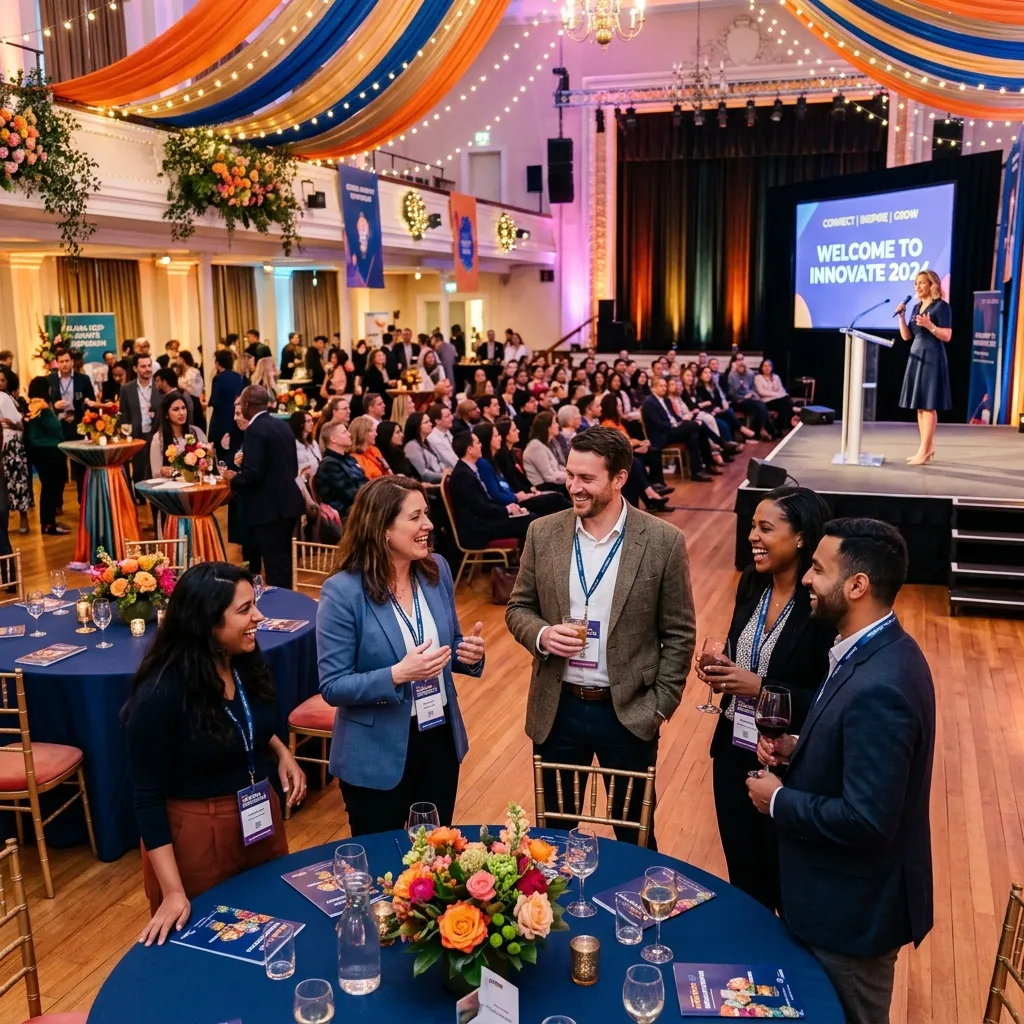 Event attendance behavior comes down to a simple truth: people show up when the value is clear, the process is easy, and the experience feels worth it. Every factor—content, marketing, accessibility, price, social influence, and follow-up—either pulls someone toward attending or pushes them away.
The event attendance trends are reshaping the industry, from hybrid formats to AI-driven personalization, reward organizers who design around their audience rather than their agenda. Studying event attendee behavior turns guesswork into a repeatable system for filling seats and building loyalty.
Start small. Pick two or three of the factors affecting event attendance covered here, apply them to your next event, and measure the results. Refine, expand, and watch your turnout climb. The organizers who adapt continuously will be the ones whose events sell out, while others scramble to fill rooms.
Conclusion
Understanding event attendance behavior helps organizers create more engaging, successful events. By analyzing attendee preferences, event attendance trends, and the factors that influence participation, you can improve marketing campaigns, personalize experiences, and increase registrations. Continuously tracking attendee behavior and adapting your strategies will strengthen audience engagement, boost event satisfaction, and support long-term event success.
Frequently Asked Questions
1. What is event attendance behavior?
Event attendance behavior is the set of decisions and actions people take when deciding whether to attend an event. It covers everything from how they discover an event to what motivates them to buy a ticket and show up. Understanding it helps organizers predict turnout and design better experiences.
2. What are the main factors affecting event attendance?
The main factors affecting event attendance include event content and value, marketing and communication, accessibility and convenience, ticket pricing, psychological and social influences like FOMO, and post-event engagement. Most decisions come from a mix of these rather than one single factor.
3. How have event attendance trends changed since the pandemic?
Event attendance trends shifted toward virtual and hybrid formats, with a stronger focus on health, safety, and flexible policies. Many attendees now expect the option to participate online, and organizers plan for multiple attendance formats at once.
4. How does ticket price affect event attendance?
Ticket price strongly affects event attendance because attendees constantly weigh cost against perceived value. Transparent pricing and early bird discounts encourage commitment, while hidden fees and unclear value lead to abandoned purchases, especially when budgets are tight.
5. How does FOMO influence event attendee behavior?
FOMO, or fear of missing out, is one of the strongest psychological drivers of event attendee behavior. When people believe an event is a can’t-miss moment, they are far more likely to buy tickets quickly—especially when limited availability and social proof reinforce the urgency.
6. What role does technology play in event attendance?
Technology shapes event attendance from discovery to check-in. Social media drives awareness and social proof, data analytics help predict turnout, and event apps with AI-powered recommendations personalize the experience and boost participation.
7. How can organizers reduce event no-shows?
Organizers can reduce no-shows with clear reminders, easy access, personalized communication, and engaging pre-event content. A smooth booking and check-in process, plus building genuine anticipation, makes people far more likely to actually attend.
8. Do younger and older attendees behave differently?
Yes. Younger, digital-native attendees discover events through social media, prefer mobile-first booking, and make faster impulse decisions. Older attendees tend to research more, plan purchases in advance, and respond well to email communication and clear logistics.
9. How does the ticketing platform affect attendance?
The ticketing platform directly affects attendance because friction at checkout drives people away before they buy. A slow, confusing, or non-mobile-friendly process increases drop-off, while a clean, transparent booking flow protects conversions and improves the overall experience.
10. How do you measure the success of attendance strategies?
Measure success by tracking turnout rates, registration-to-attendance ratios, no-show rates, repeat attendance, and post-event survey scores. Pairing these numbers with qualitative feedback reveals what’s working and where to refine your approach for future events.
