
Close Menu

    Subscribe to Updates

    Get the latest creative news from FooBar about art, design and business.

    What's Hot

    Mastering Pricing in Ticket Resale Strategies

    May 19, 2026

    Ticket resale legality: What buyers and sellers need to know

    May 18, 2026

    Your Guide to the Best Ticket Resale Platforms

    May 18, 2026
    Facebook X (Twitter) Instagram
    Wednesday, May 20
    Facebook X (Twitter) Instagram YouTube
    My Blog
    • Homepage
    • About us
    • Contact us
    My Blog
    Home»Event Tickets»Unlocking the System: How Ticket Resale Works Actually
    Event Tickets

    Unlocking the System: How Ticket Resale Works Actually

    adminBy adminMay 17, 2026Updated:May 17, 2026No Comments14 Mins Read
    Facebook Twitter Pinterest LinkedIn Telegram Tumblr Email
    How Ticket Resale Works
    Share
    Facebook Twitter LinkedIn Pinterest Email

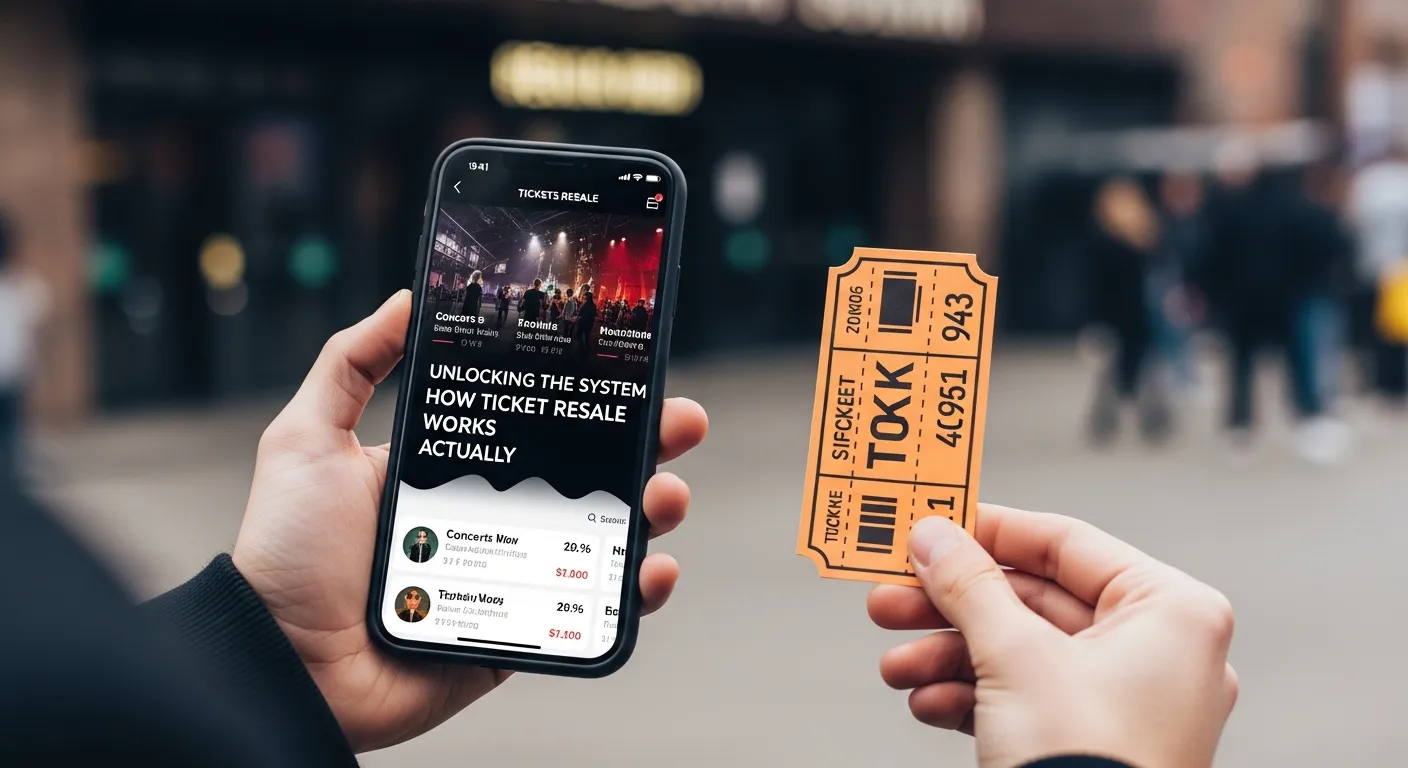
    Ticket resale works by allowing individuals to buy and sell event tickets through secondary marketplaces after the original purchase. Prices may vary based on demand, availability, and event popularity. Understanding how ticket resale works helps buyers avoid scams, compare prices, and safely purchase valid tickets for concerts, sports, and other live events.
    Securing a spot at a highly anticipated concert, championship game, or exclusive theater production provides a massive rush. However, finding that the event sold out in mere minutes can be incredibly frustrating. Millions of fans experience this exact scenario every year, left staring at a screen while tickets vanish into the digital ether.

    When the primary box office runs dry, the secondary market becomes the only viable path to attending your favorite events. Yet, this secondary ecosystem often feels chaotic and opaque. Prices fluctuate wildly, inventory appears and disappears rapidly, and the sheer number of platforms can overwhelm even the most experienced buyers.

    Understanding how ticket resale works removes this confusion and empowers you to make smarter purchasing decisions. This guide will break down the mechanics behind the secondary market, clarify the roles of different players, and explore the technology driving these platforms. By mastering this information, you can navigate the ticketing landscape with confidence, avoid common pitfalls, and secure premium seats without jeopardizing your budget.

    At its core, the resale market is driven by supply and demand dynamics. When demand for an event far exceeds available tickets, resale prices naturally increase as buyers compete for limited seats. This is why popular concerts and major sporting events often see significant price spikes within hours of going on sale.

    Modern platforms that facilitate ticket resale use advanced verification systems to ensure authenticity and reduce fraud risks. Many marketplaces now employ secure digital ticketing, barcode validation, and instant transfer systems to protect both buyers and sellers.

    Additionally, timing plays a crucial role in how ticket resale works. Prices may rise closer to the event date if demand increases, or they may drop if sellers are eager to offload unsold tickets. Understanding these patterns can help buyers identify the best time to purchase.

    Ultimately, learning how ticket resale works gives you a strategic advantage. Instead of relying on luck, you can analyze pricing trends, compare platforms, and make informed decisions that increase your chances of attending sold-out events at fair value.

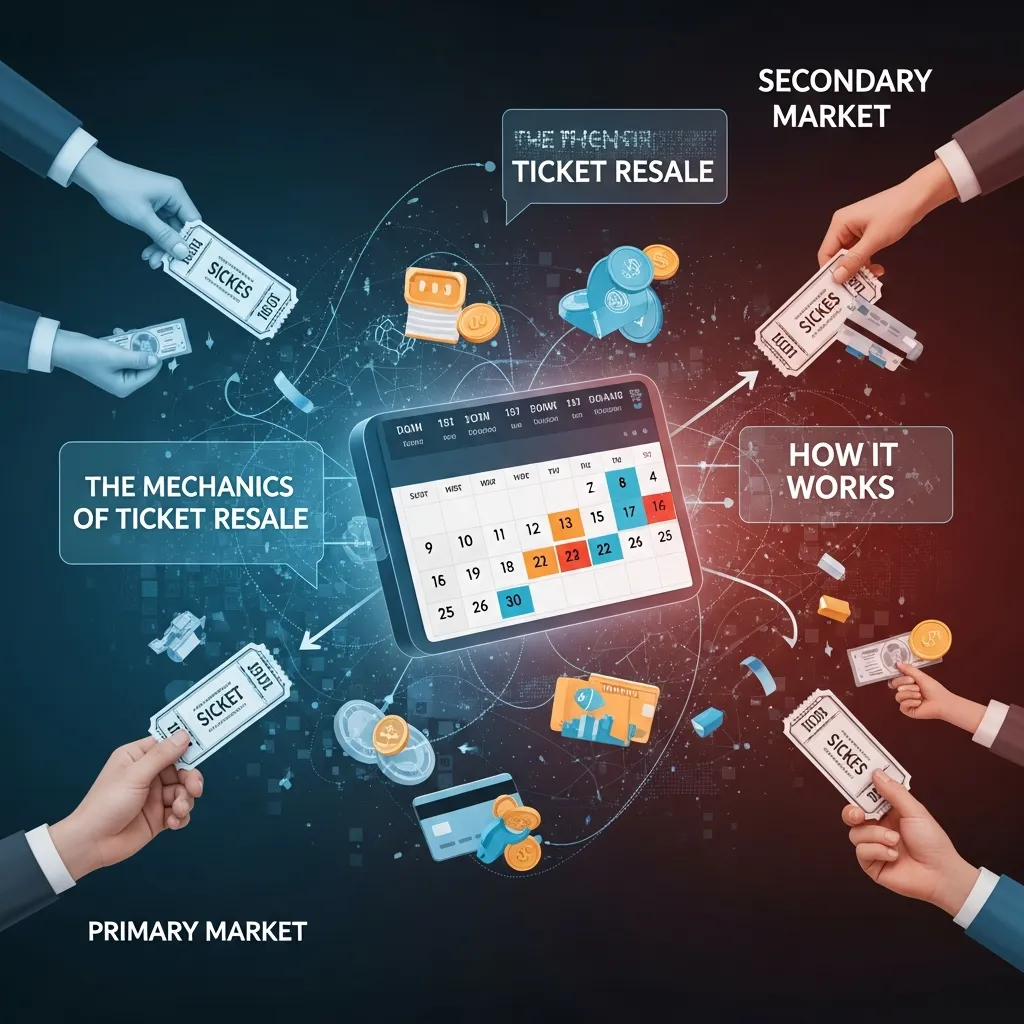
    The Mechanics of Ticket Resale: How it Works

    How ticket resale worksThe fundamental concept of how ticket resale works is relatively straightforward, yet the execution involves a complex digital infrastructure powered by real-time databases, verification systems, and secure payment gateways. When an event organizer announces a tour, concert, or sports match, they release a fixed number of tickets through an official primary vendor. Each ticket is assigned a unique digital identifier, linking it to a specific seat, buyer, and barcode record in the system.

    Once these original tickets are purchased, the buyers hold the digital rights to those seats. In many cases, tickets are now fully digital, meaning ownership exists as a secure entry in a centralized system rather than a physical paper ticket. This digital transformation has made it easier to track, transfer, and verify tickets instantly, which is a key part of how ticket resale works in modern platforms.

    If a buyer can no longer attend, or if they intentionally purchased tickets for resale purposes, they list them on a secondary marketplace. These resale platforms allow users to set their own prices based on demand, seat quality, timing, and event popularity. This is where market dynamics become highly visible—premium seats for high-demand events can sell for several times their original value, while lower-demand listings may drop below face value as the event date approaches.

    When another fan purchases the listing, the platform initiates a secure transfer process. The original ticket’s barcode or digital token is reassigned to the new buyer, ensuring only one valid owner exists at any time. This controlled transfer mechanism is essential to how ticket resale works safely, preventing duplication and fraud.

    To protect both parties, most reputable platforms use an escrow-based payment system. The buyer’s funds are held securely until the event takes place or until the ticket is successfully validated at entry. Only after confirmation does the seller receive payment. This financial safeguard is a critical backbone of how ticket resale works securely, ensuring trust between strangers in a large digital marketplace.

    In addition, many platforms now integrate fraud detection algorithms and identity verification tools. These systems monitor unusual pricing behavior, duplicate listings, or suspicious transfer patterns in real time. As a result, the modern resale ecosystem is far more regulated and secure than traditional peer-to-peer ticket exchanges.

    Ultimately, understanding how ticket resale works reveals a sophisticated ecosystem driven by technology, trust, and demand. What may appear chaotic on the surface is actually a highly structured system designed to balance accessibility for buyers with flexibility for sellers in an ever-changing live events market.

    Primary vs. Secondary Markets: A Clear Distinction

    To truly understand how ticket resale works, you must recognize the stark differences between the primary and secondary markets. The primary market consists of official vendors authorized by the venue or the event promoter. Companies like Ticketmaster or AXS act as the initial distributors. When you buy from the primary market, you pay the face value set by the artist or team, plus associated service fees.

    The secondary market is the resale ecosystem. Platforms such as StubHub, SeatGeek, and independent exchanges facilitate transactions between individual fans or professional brokers who already purchased from the primary vendor. Prices here fluctuate entirely based on consumer interest. If an event is highly sought after, prices surge. If demand is low, you can often find listings well below the original face value.

    Primary marketplaces increasingly use automated algorithms to adjust the cost of admission based on real-time consumer demand. Understanding dynamic pricing event tickets helps you recognize when you are paying a massive surge markup on a primary site versus a standard premium rate on a resale site. Both markets are essential to the overall ecosystem, but they operate under entirely different rules.

    Key Players in the Ticket Resale Industry

    Key players in the ticket resale industrySeveral distinct groups operate within the secondary market, each influencing how ticket resale works on a daily basis.

    First, there are the individual fans. These are regular people who bought tickets with the intention of attending but experienced a scheduling conflict. They simply want to recoup their initial investment and pass the seats on to someone else. Their listings often represent the most fairly priced options on the market.

    Second, you have professional ticket brokers. These individuals or companies treat ticket sales as a full-time business. They utilize advanced software and deep industry knowledge to purchase large quantities of premium seats during the initial public sale. They then list these seats on the secondary market at a significant markup, capitalizing on the high demand for popular events.

    Finally, the resale platforms themselves act as the vital intermediaries. They do not own the tickets; instead, they provide the digital infrastructure necessary for buyers and sellers to connect. For a deeper understanding of the platforms facilitating these transactions, check out our guide on how ticket marketplaces work. These companies take a percentage of every transaction as a service fee, which funds their secure payment gateways, customer support, and marketing efforts.

    Legal Landscape and Regulations Surrounding Ticket Resale

    The legal framework governing how ticket resale works varies drastically depending on your geographic location. In some regions, reselling a ticket for more than its original face value is strictly prohibited and classified as illegal scalping. Local governments enforce these laws to protect consumers from extreme price gouging.

    In other areas, the secondary market operates as a completely free market. Sellers can list their tickets for whatever price they choose, and buyers are free to pay those prices if they deem the experience worthwhile. However, even in deregulated areas, consumer protection laws mandate that platforms accurately advertise the location of the seats and provide refunds if an event is canceled.

    Furthermore, many venues and artists attempt to enforce their own regulations. They might require the original purchaser to present a matching ID at the gate, rendering the ticket non-transferable. Platforms must adapt to these shifting rules constantly, making the legal landscape a complex web of local laws and corporate policies.

    The Pros and Cons for Buyers and Sellers

    The secondary market offers distinct advantages and disadvantages depending on which side of the transaction you occupy.

    For sellers, the primary advantage is financial flexibility. If a personal emergency prevents you from attending a show, the resale market ensures your money does not go to waste. For professional brokers, the market offers a lucrative business model. However, the downside is the risk of financial loss. If an event fails to generate interest, sellers might have to drastically reduce their prices, taking a significant hit on their initial investment.

    For buyers, the main advantage is accessibility. The secondary market gives you a second chance to attend sold-out events. It also provides ultimate spontaneity, allowing you to secure passes hours before the curtain rises. The prominent disadvantage is the cost. You will frequently pay a premium for high-demand events. Additionally, navigating the platforms requires vigilance to avoid deceptive listings.

    How Technology is Shaping Ticket Resale

    Technology continuously redefines how ticket resale works, streamlining the process while introducing new challenges. Mobile applications have entirely replaced physical paper tickets. Digital barcodes and QR codes update continuously, making it much harder for bad actors to print duplicate passes.

    Platforms now utilize sophisticated algorithms to track pricing trends, offering buyers suggestions on the best times to purchase. Aggregator tools pull listings from across multiple platforms, allowing you to compare prices instantly. This transparency helps drive prices down and forces platforms to remain competitive with their service fees.

    However, technology also empowers professional brokers. Automated purchasing software, commonly known as “bots,” can bypass digital queues and buy thousands of tickets in seconds. While legislation like the federal BOTS Act attempts to curb this behavior, the technological arms race between primary vendors and professional brokers remains a defining feature of the industry.

    Navigating the Resale Market Safely and Smartly

    Because the secondary market involves high-value digital assets, it naturally attracts individuals looking to exploit eager fans. Learning how ticket resale works also means learning how to protect your personal data and your wallet.

    Always stick to established, reputable platforms that offer comprehensive buyer guarantees. These guarantees ensure that if a ticket fails to scan at the gate, the platform will either find you a comparable seat or issue a full refund. Never buy tickets through direct wire transfers or peer-to-peer cash apps from individuals you do not know.

    If an offer looks too good to be true, it almost certainly is. Scammers rely on manufactured urgency to push you into bad decisions. For a comprehensive breakdown of protective measures, read through an event ticket purchase safety guide before entering your credit card information. Additionally, you can consult resources from the Federal Trade Commission (FTC) and the Better Business Bureau (BBB) to stay updated on the latest fraud tactics.

    The Future of Ticket Resale: Trends and Predictions

    Future trends in ticket resale industry

    The ecosystem of live entertainment is shifting rapidly. Primary vendors are increasingly entering the resale space, creating their own closed-loop secondary markets. This allows them to control price ceilings and retain the service fees that previously went to third-party platforms.

    Blockchain technology and non-fungible tokens (NFTs) are also poised to disrupt how ticket resale works. By minting tickets as unique digital assets on a blockchain, organizers can permanently track the ownership history of a seat. This technology could eliminate counterfeit tickets entirely and allow artists to code smart contracts that grant them a percentage of every subsequent resale.

    As artificial intelligence becomes more integrated into consumer software, buyers can expect highly personalized purchasing experiences. AI will track your favorite artists, analyze your budget, and automatically notify you the moment a suitable ticket hits the secondary market, fundamentally changing how fans secure access to live events.

    Maximizing Your Experience in the Resale Market

    Attending live entertainment should bring joy, not financial anxiety. Understanding how ticket resale works takes the power away from opaque algorithms and places it firmly in your hands.

    By familiarizing yourself with the differences between primary and secondary sources, tracking demand cycles, and utilizing secure payment methods, you can confidently navigate this complex digital landscape. Keep your schedule flexible when possible, leverage price comparison tools, and never let the excitement of a sold-out show override your common sense. Apply these strategies to your next purchase, and you will secure incredible seats while keeping your budget perfectly intact.

    Conclusion

    Understanding how ticket resale works helps buyers and sellers navigate the secondary ticket market with greater confidence and control. What may seem like a fast-moving and unpredictable system is actually built on structured digital processes, including verified listings, dynamic pricing, and secure escrow-based payments. As demand continues to shape ticket availability and pricing, informed users can make smarter decisions, avoid scams, and secure access to high-demand events more safely. By learning the mechanics behind resale platforms, you can take advantage of opportunities in the market while minimizing risks and unnecessary costs.

    Frequently Asked Questions (FAQ)

    1. What is ticket resale?

    Ticket resale is the process of buying and selling event tickets on secondary marketplaces after they have already been purchased from the official seller.

    2. How does ticket resale work?

    Ticket resale works when original buyers list their tickets on a resale platform, set a price, and transfer ownership to a new buyer through a secure digital system.

    3. Why do people use ticket resale platforms?

    People use resale platforms when events are sold out, or when they can no longer attend and want to recover their money or make a profit.

    4. Is ticket resale legal?

    Yes, ticket resale is legal in many countries, but rules vary depending on local laws and event policies. Some events restrict or regulate resale activity.

    5. Are resale tickets safe to buy?

    Resale tickets are generally safe when purchased from verified platforms that offer secure transfers, buyer protection, and ticket authentication systems.

    6. Why are resale ticket prices higher than face value?

    Prices increase due to high demand, limited supply, and event popularity. Sellers adjust prices based on what buyers are willing to pay.

    7. Can resale ticket prices go down?

    Yes, prices can drop if demand decreases or if sellers reduce prices closer to the event date to ensure their tickets are sold.

    8. How does ticket transfer happen in resale?

    Once a ticket is purchased, the platform transfers the digital barcode or ticket ownership from the seller to the buyer through a secure system.

    9. What is an escrow system in ticket resale?

    An escrow system holds the buyer’s payment securely until the ticket is verified and successfully delivered, protecting both buyer and seller.

    10. How can I avoid fake or invalid tickets?

    To avoid fake tickets, always use trusted resale platforms, check seller verification, avoid unofficial deals, and ensure the platform offers guarantees or refunds for invalid tickets.

    11. When is the best time to buy resale tickets?

    The best time varies—prices may be lower early after listing or closer to the event if sellers reduce prices, depending on demand trends.

    12. Can I resell my ticket if I change my mind?

    Yes, most platforms allow users to resell tickets, provided the event and platform rules permit secondary selling.

    13. What happens if an event is cancelled?

    If an event is cancelled, reputable platforms usually refund the buyer or provide compensation depending on their policy.

    14. Do all tickets qualify for resale?

    Not all tickets are resellable. Some events restrict resale, and some tickets may be non-transferable depending on the organizer’s rules.

    event tickets How Ticket Resale Works Secondary Ticket Market ticket buying guide Ticket Resale
    Share. Facebook Twitter Pinterest LinkedIn Tumblr Email
    admin
    • Website

    Related Posts

    Mastering Pricing in Ticket Resale Strategies

    May 19, 2026

    Ticket resale legality: What buyers and sellers need to know

    May 18, 2026

    Your Guide to the Best Ticket Resale Platforms

    May 18, 2026

    Master VIP Ticket Booking Tips for Unforgettable Events

    May 16, 2026

    Master Last-Minute Event Ticket Buys: Insider Tips

    May 14, 2026

    Ultimate VIP Ticket Booking Tips for Your Next Event

    May 14, 2026
    Leave A Reply Cancel Reply

    Top Posts

    Mastering Pricing in Ticket Resale Strategies

    May 19, 2026

    Ultimate Guide: How to Buy Event Tickets Hassle-Free

    April 5, 2026

    Master the Best Cheap Event Tickets Online Strategies

    May 12, 2026
    Don't Miss

    Mastering Pricing in Ticket Resale Strategies

    May 19, 2026

    Pricing in Ticket Resale refers to how ticket prices are determined in secondary markets based…

    Ticket resale legality: What buyers and sellers need to know

    May 18, 2026

    Your Guide to the Best Ticket Resale Platforms

    May 18, 2026

    Unlocking the System: How Ticket Resale Works Actually

    May 17, 2026
    Latest Reviews
    Stay In Touch
    • Facebook
    • YouTube
    • TikTok
    • WhatsApp
    • Twitter
    • Instagram
    Facebook X (Twitter) Instagram Pinterest YouTube Dribbble
    • Privacy Policy
    • About us
    • Contact us
    • Terms and Conditions
    © 2026 Ticketorbis. All Rights Reserved.

    Type above and press Enter to search. Press Esc to cancel.