

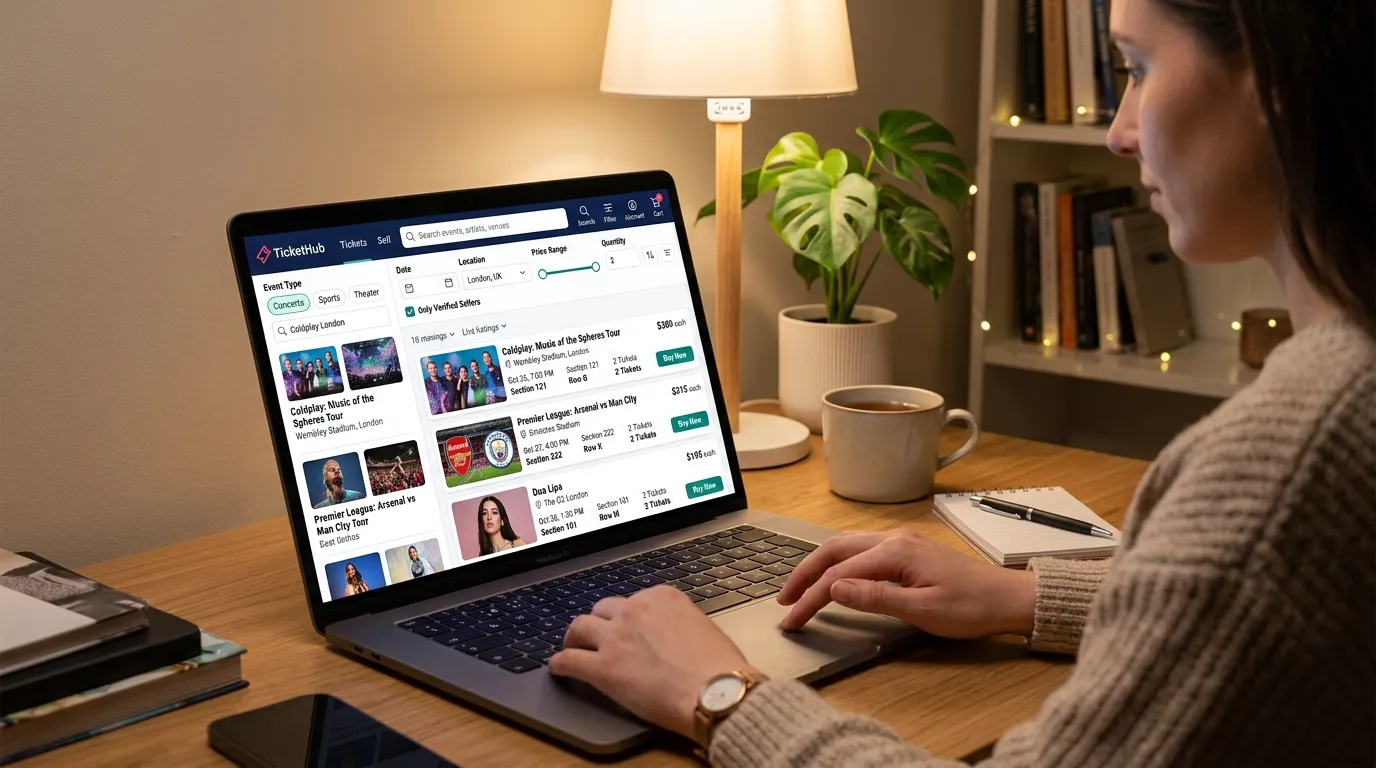

How Does the Ticket Resale Marketplace Work?
Understanding the flow of a ticket—from its first sale to its final scan—helps you navigate the system with confidence. For a deeper breakdown, our guide on how ticket resale works covers the full journey in detail.
Primary vs. Secondary Ticket Markets
The primary market is where tickets first go on sale. Event organizers, venues, and official sellers like Ticketmaster set a fixed face value and release tickets to the public.
The secondary market is where those tickets get resold. Here, sellers—not organizers—set the price. A ticket might sell above or below its original face value depending on demand.
The key difference comes down to pricing control. Primary sellers set fixed prices. Secondary sellers respond to live market conditions, which is why a $100 ticket can become a $300 listing—or a $60 bargain hours before showtime.
The Journey of a Ticket: From Initial Sale to Resale
A typical ticket follows a clear path. First, a fan or broker buys it during the primary sale. Plans change, or the buyer intended to resell from the start. The seller lists the ticket on a resale platform, setting a price based on current demand. A buyer finds the listing, completes a secure payment, and receives the ticket through a digital transfer. At the venue, the buyer scans the ticket for entry.
Key Players in the Ticket Resale Marketplace
Three main groups keep the marketplace running:
Individual resellers are everyday people selling tickets they can no longer use. They make up a large share of casual listings and often price tickets reasonably to sell quickly.
Professional brokers buy tickets in bulk with the intent to resell at a profit. They use pricing software and market data to maximize returns, treating tickets as a business.
Fan-to-fan marketplaces connect regular buyers and sellers directly. Platforms like Twickets focus on ethical resale, often capping prices at or near face value to keep tickets affordable for genuine fans.
Mechanisms of Resale: Auctions, Fixed Price, and Dynamic Pricing
Resale platforms use a few different pricing models. Fixed-price listings let sellers name a set amount, the most common approach on major platforms. Auction-style listings allow buyers to bid, with the highest offer winning. Dynamic pricing uses algorithms that adjust listing prices in real time based on demand, search activity, and competing listings.
Is the Ticket Resale Marketplace Legal and Ethical?
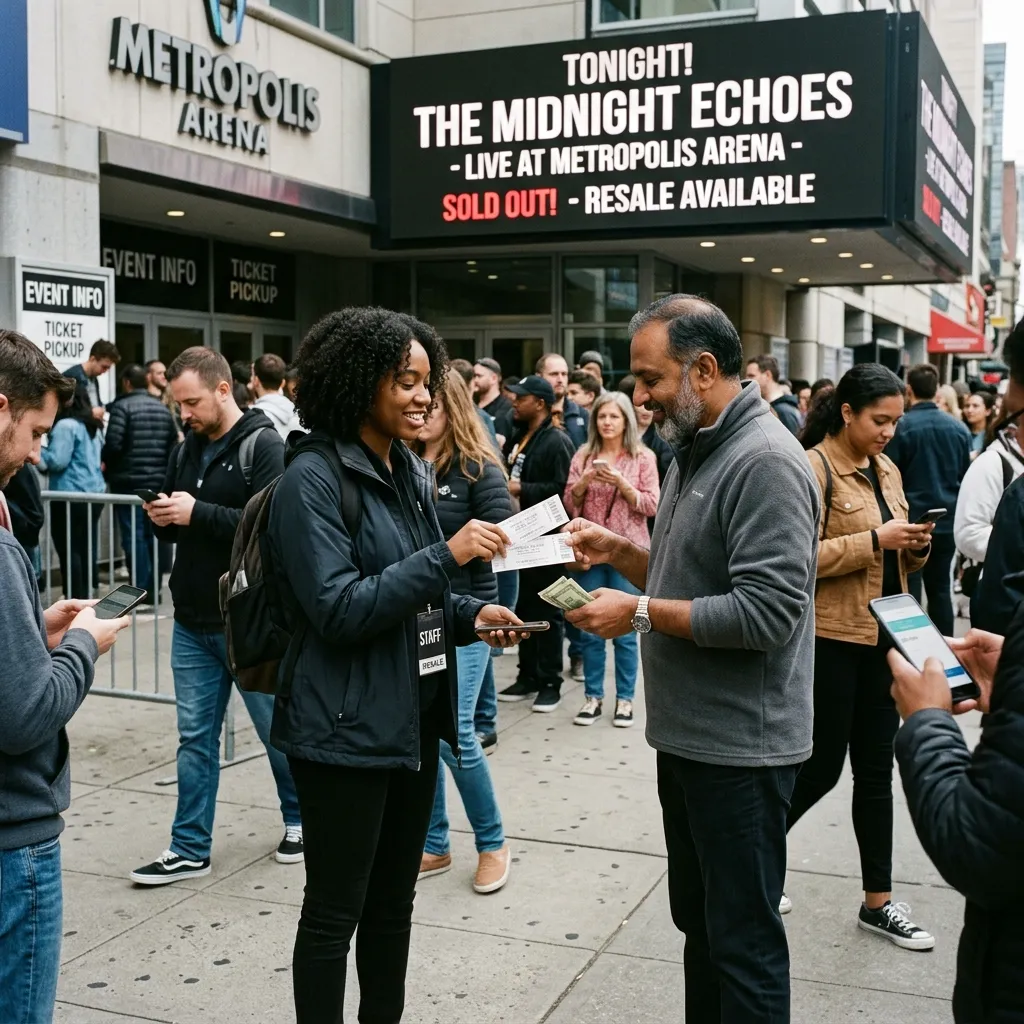 Legality is one of the most confusing parts of ticket resale. The rules change depending on where you live and what event you’re attending. Our complete guide to ticket resale legality explains the regional differences in depth.
Is Ticket Resale Legal?
In most places, reselling tickets is legal—but with conditions. Laws vary widely by region and even by event.
- Regional variation: Some U.S. states allow unrestricted resale. Others cap how much you can mark up a ticket above face value.
- Anti-scalping laws: Certain regions have laws specifically targeting ticket scalping, especially aggressive markups on high-demand events.
- Event-specific rules: Some artists and venues prohibit resale entirely or require resale through official channels only.
Consumer Protection Laws and Regulations
Many governments have introduced rules to protect buyers in the secondary market. The Federal Trade Commission provides guidance on safe ticket purchasing and warns against fraudulent sellers. Some regulations require sellers to disclose the full ticket price upfront, including all fees, so buyers aren’t surprised at checkout.
Ethical Considerations for Buyers and Sellers
Beyond the law, there’s the question of fairness. Critics argue that bulk buying by brokers prices out genuine fans. Supporters say resale gives flexibility and fills empty seats. Ethical sellers price fairly and disclose ticket details honestly. Ethical buyers verify what they’re purchasing and avoid feeding into predatory markups when possible.
Event Organizer Perspectives and Anti-Resale Measures
Many organizers dislike unauthorized resale because it cuts them out of the profit and can damage fan relationships. To fight back, some use mobile-only tickets tied to the buyer’s identity, paperless entry requiring the original payment card, or official resale platforms with price caps. These measures aim to keep tickets in the hands of real fans and out of the broker pipeline.
What Are the Benefits and Challenges of Ticket Resale?
The ticket resale marketplace offers clear advantages, but it also comes with real risks for both buyers and sellers. Understanding both sides is essential before participating in secondary ticket trading, especially in high-demand events where prices and availability can change rapidly. A balanced view helps users make smarter and safer decisions when using any Ticket Resale Marketplace Explained system.
Advantages for Buyers
One of the biggest benefits for buyers is access to sold-out events. When primary ticket sales end quickly, resale platforms often become the only remaining option to secure entry to concerts, sports matches, theater shows, or festivals.
Another advantage is flexible pricing. Because prices are driven by supply and demand, they can fluctuate frequently. This means patient buyers may sometimes find tickets listed below face value, especially closer to the event date when sellers are eager to sell.
Last-minute availability is also a major benefit. Many people decide to attend events spontaneously, and resale platforms allow them to purchase tickets even just hours before the show begins. This convenience has made the Ticket Resale Marketplace Explained model popular among both casual and dedicated fans.
Advantages for Sellers
For sellers, the main benefit is recouping costs. If someone cannot attend an event due to schedule changes, emergencies, or travel issues, they can resell their ticket and recover part or all of the original price.
Another advantage is monetizing unused tickets. Season ticket holders or bulk buyers often end up with extra tickets, and resale platforms give them an opportunity to convert unused seats into income instead of letting them go to waste.
Challenges for Buyers
Despite the benefits, buyers face several risks in the resale market. One of the biggest concerns is fraud and fake tickets. Unverified sellers may attempt to list invalid or already-used tickets, which is why it is important to use platforms with strong buyer protection policies.
Exorbitant pricing is another issue. For highly popular events, resale prices can rise to several times the original face value, making attendance expensive or even unaffordable for some fans.
Hidden fees also add to the challenge. Service charges, payment processing fees, and delivery costs can significantly increase the final price beyond what is initially displayed, making budgeting difficult.
Challenges for Sellers
Sellers also face limitations in the resale ecosystem. Platform fees are one of the main drawbacks, as marketplaces typically charge commissions that reduce overall profit.
Competition is another challenge. When many sellers list tickets for the same event, prices often drop due to oversupply, forcing sellers to lower their asking price to stay competitive.
Legal restrictions can also impact sellers. In some regions, resale price caps or strict regulations limit how tickets can be sold, and in certain cases, resale may be restricted altogether.
Overall, the Ticket Resale Marketplace Explained framework shows that while resale creates valuable opportunities for both buyers and sellers, it also requires careful navigation to avoid financial loss and ensure safe transactions.
What Are the Major Platforms in the Ticket Resale Marketplace?
 Choosing the right platform shapes your entire experience. Each offers different fees, guarantees, and inventory. Our breakdown of the best resale platforms compares them in detail, but here’s an overview.
StubHub
One of the largest resale platforms globally, StubHub offers a huge inventory across concerts, sports, and theater. It operates on an open-market model where sellers set their own prices, backed by a buyer guarantee.
SeatGeek
SeatGeek stands out for its Deal Score feature, which color-codes listings to show which seats offer the best value. Its clean app and price-comparison tools make it popular with value-focused buyers.
Vivid Seats
Vivid Seats offers a broad inventory and a loyalty rewards program that gives buyers credit toward future purchases. It backs transactions with a buyer guarantee covering authenticity and timely delivery.
Ticketmaster Resale
Ticketmaster’s official resale platform lets buyers purchase verified resale tickets directly within the same ecosystem as the primary sale. The advantage is authenticity—tickets transfer seamlessly with reduced fraud risk.
Smaller, Specialized Platforms
Niche platforms serve specific needs. Twickets enforces face-value caps to keep tickets affordable for genuine fans. Other specialists focus on particular event types or regions, often offering more curated inventory.
How to Choose the Right Platform
Choose a large open-market platform like StubHub or SeatGeek if comparing many options matters most. Choose Ticketmaster Resale if authenticity and seamless transfer matter more than finding the lowest price. Choose a face-value platform like Twickets if keeping costs near the original price matters more than securing premium seats.
How Does Pricing Work in the Ticket Resale Marketplace?
Pricing is where the resale market gets complicated—and where smart buyers save real money. Our complete guide to pricing in ticket resale digs into the mechanics, but here are the essentials.
Factors Influencing Ticket Prices
Several variables shape what you pay:
- Demand and supply: High demand with limited seats pushes prices up. Excess inventory pushes them down.
- Event popularity: A-list artists and championship games command consistently higher resale prices.
- Seating location: Front-row, floor, and VIP seats carry significant premiums over upper-level seats.
- Time to event: Prices often spike right after a sellout, then shift as the event date approaches.
Dynamic Pricing Models
Many platforms use algorithms that adjust prices in real time based on demand patterns, search activity, and competing listings. This means a ticket’s price can change multiple times in a single day. Scarcity perception also plays a role—when buyers feel tickets are “running out,” urgency drives prices higher even when seats remain.
Tips for Buyers: When to Buy for the Best Price
For large stadium tours with plenty of inventory, the best deals often appear in the final hours before showtime. Sellers face a ticking clock—an unsold ticket becomes worthless once the event starts, so they slash prices to recover something. For smaller, exclusive events, waiting is risky. Limited supply can push prices up as the date nears, so buying weeks ahead often gives more stable pricing.
Tips for Sellers: How to Price Competitively
Research comparable listings before setting your price. Undercutting slightly can help your ticket sell faster in a crowded market. Factor in platform fees so you don’t lose money. And adjust your price as the event approaches—holding out for a premium can backfire if the ticket goes unsold.
What Does the Future of Ticket Resale Look Like?
The ticket resale marketplace continues to evolve, shaped by new technology and shifting regulations.
Emerging Technologies: Blockchain and NFTs
Blockchain-based ticketing promises to reduce fraud by creating tamper-proof digital tickets. NFT tickets could give organizers control over resale—including automatic royalties on every resale and built-in price caps. These systems aim to make ownership transparent and verification instant.
Changing Regulations and Industry Standards
Governments worldwide are tightening rules around resale. Expect more transparency requirements, price-cap legislation, and mandatory fee disclosure. These changes aim to protect consumers and curb predatory markups.
Impact of Direct-to-Fan Sales
Artists increasingly use verified fan programs and direct-to-fan sales to bypass the resale market entirely. By selling tickets tied to verified identities, they aim to keep tickets affordable and out of broker hands.
Predictions for Growth and Evolution
The resale market will likely keep growing, but with more structure. Improved fraud protection, blockchain validation, and clearer regulations will make transactions safer and more transparent. The informal scalping of the past will continue giving way to a regulated, technology-driven marketplace.


1. What is the difference between the primary and secondary ticket market?
The primary market is where tickets first go on sale at a fixed face value set by venues, artists, or official sellers. The secondary market is where those tickets get resold by individuals or brokers, who set their own prices based on demand. Secondary prices can be higher or lower than face value.
2. Is buying from the ticket resale marketplace safe?
Yes, when you use reputable platforms. Established marketplaces like StubHub, SeatGeek, and Ticketmaster Resale offer buyer guarantees, secure payments, and verified ticket transfers. Avoid unverified sellers on social media or peer-to-peer apps, which carry a much higher fraud risk.
3. How can I avoid fake tickets when buying from resellers?
Buy only from platforms with money-back guarantees and verified ticket transfers. Avoid deals that seem too good to be true, never pay with cash or wire transfer, and always use a credit card for fraud protection. Verify that the seller is reputable before completing any purchase.
4. What are common fees associated with ticket resale platforms?
Most platforms charge service fees, processing fees, and sometimes delivery charges. A $100 ticket can cost $130 or more after fees. Always use settings that display the total all-in price upfront so you can compare true costs across platforms.
5. Are there legal limits on how much a ticket can be resold for?
It depends on your region. Some areas cap resale prices at or near face value, while others allow unrestricted markups. Certain events also ban resale outside official channels. Check your local ticket resale laws before buying or selling.
6. What should I do if my resold ticket is not honored at the event?
Contact the platform’s customer support immediately with your booking reference and proof of purchase. Reputable marketplaces with buyer guarantees typically offer refunds or replacement tickets if a valid ticket fails to grant entry. This is why buying through guaranteed platforms matters.
7. How do ticket resale prices compare to original face value?
Resale prices vary widely. For high-demand events, tickets often sell well above face value—sometimes several times higher. For events with excess inventory, prices can drop below face value, especially in the final hours before showtime as sellers try to avoid total loss.
8. Can I resell a ticket I bought from a resale platform?
In most cases, yes—if the ticket is transferable and your region allows resale. However, some tickets are tied to the buyer’s identity or restricted to official resale channels. Check the ticket’s transfer rules and your platform’s policies before relisting.
9. What makes a ticket more likely to be resold at a higher price?
High demand drives premium pricing. Tickets for A-list performers, championship games, and exclusive events command the most. Premium seating—front-row, floor, and VIP sections—also sells for significantly more due to limited availability and better views.
10. How do platforms ensure legitimate ticket transfers?
Reputable platforms use secure digital transfers, barcode validation, and verified resale systems. Many partner directly with primary sellers to confirm authenticity. Buyer guarantees back these transactions, promising refunds or replacements if a ticket proves invalid at entry.
