


Dynamic pricing event tickets change based on demand, timing, seat availability, and market trends. This guide explains how ticket pricing works, why prices fluctuate, and the best ways to find affordable tickets for concerts, sports games, theater shows, and other live events.

At its core, the system relies on highly responsive algorithms. When a highly anticipated event goes on sale, the ticketing platform’s software monitors exactly how many users are waiting in the queue. It tracks how quickly specific sections of the stadium are selling out and compares that data against historical sales figures from similar tours.
If the algorithm detects a massive surge in traffic, it instantly triggers a price increase for the remaining premium seats. Conversely, if an event suffers from sluggish sales, the software might slowly lower the cost of admission to encourage hesitant buyers. The ultimate goal is to find the exact price ceiling that fans are willing to tolerate before they abandon their shopping carts.
This constant adjustment means two fans sitting next to each other at a concert could have paid drastically different amounts for their seats, simply because they checked out ten minutes apart.
Why the Industry Relies on Algorithmic Sales
Fans often direct their frustration at the primary ticketing platforms when prices skyrocket. While these marketplaces build and maintain the algorithmic software, they do not act alone. Event organizers, promoters, and even the artists themselves frequently opt into these demand-based systems for several distinct reasons.
Capturing Secondary Market Revenue
For years, the ticketing industry watched unauthorized brokers and scalpers reap massive profits on the secondary market. A scalper would buy a face-value ticket for fifty dollars and instantly resell it on a different website for three hundred dollars. The original artist and promoter saw none of that extra profit.
By implementing dynamic pricing event tickets on the primary platform, organizers aim to capture that surplus revenue themselves. If the market dictates that a front-row seat is worth five hundred dollars based on fan demand, the algorithm prices it accordingly right from the start. This strategy theoretically undercuts scalpers by removing their profit margins, though it shifts the financial burden directly onto the most dedicated fans.
Managing Inventory for Unpredictable Tours
Organizers also use fluctuating costs to manage financial risk. Live entertainment is an expensive, unpredictable business. A massive stadium tour requires millions of dollars in upfront investment for stage design, transportation, and crew salaries.
Algorithmic pricing provides a safety net. By charging premium rates for the most desirable seats during the initial rush of excitement, promoters can guarantee they cover their baseline expenses early. This allows them to heavily discount the less desirable nosebleed sections closer to the event date, ensuring the venue looks completely full on camera.
Strategies to Navigate Fluctuating Costs
You cannot rewrite the algorithms, but you can change how you interact with them. Buying access to live entertainment requires patience, timing, and a clear understanding of your own budget.
Utilize Presale Opportunities
The most effective way to avoid algorithmic price surges is to secure your seats before the general public sale begins. Most major tours offer several different presale windows. You can access these early purchasing opportunities by signing up for the artist’s official newsletter, joining verified fan clubs, or carrying a specific brand of credit card.
Presale inventory is often exempt from the most aggressive algorithmic spikes. Organizers use these early sales to reward loyal fans with standard face-value rates. If you can successfully navigate the presale queue, you significantly reduce your exposure to sudden cost inflations.
Wait for the Market to Cool
If you miss out on the presale and log into the general sale only to find prices have tripled, step away from your computer. The algorithms thrive on manufactured urgency. They use countdown timers and flashing low-inventory warnings to pressure you into a panicked purchase.
Prices frequently peak within the first hour of a general sale. Once the initial wave of desperate buyers completes their transactions, the traffic dies down. When the algorithm registers a drop in active users, it often corrects itself and lowers the cost of the remaining inventory. Checking back a few hours or even a few days later can result in massive savings.
Explore the Secondary Market Carefully
When primary platforms inflate their prices too aggressively, the secondary market sometimes becomes the cheaper alternative. Resellers who purchased standard tickets before the algorithms spiked might list their inventory for a modest profit, resulting in a total cost that is still lower than the primary platform’s current dynamic rate.
Evaluating different platforms is an essential skill for any modern consumer. You should always cross-reference the costs across multiple authorized resale sites. Understanding how different marketplaces operate can save you significant amounts of money. For a detailed breakdown of how to evaluate these options, check out this comprehensive look at Ticketorbis vs Competitors to see which platforms offer the best value and user experience.
Master the Last-Minute Purchase
For fans with flexible schedules, waiting until the final 48 hours before an event is a highly effective strategy. Scalpers and brokers who overinvested in inventory become desperate to offload their passes as the event approaches. An unsold ticket is a total loss, so secondary market prices frequently plummet on the morning of the show.
Similarly, primary box offices often release holdbacks—seats originally reserved for the artist’s family, VIP guests, or production crews—on the day of the concert. These holdbacks are usually released at standard face value, entirely bypassing the demand-based algorithms.
Protecting Your Finances During Checkout
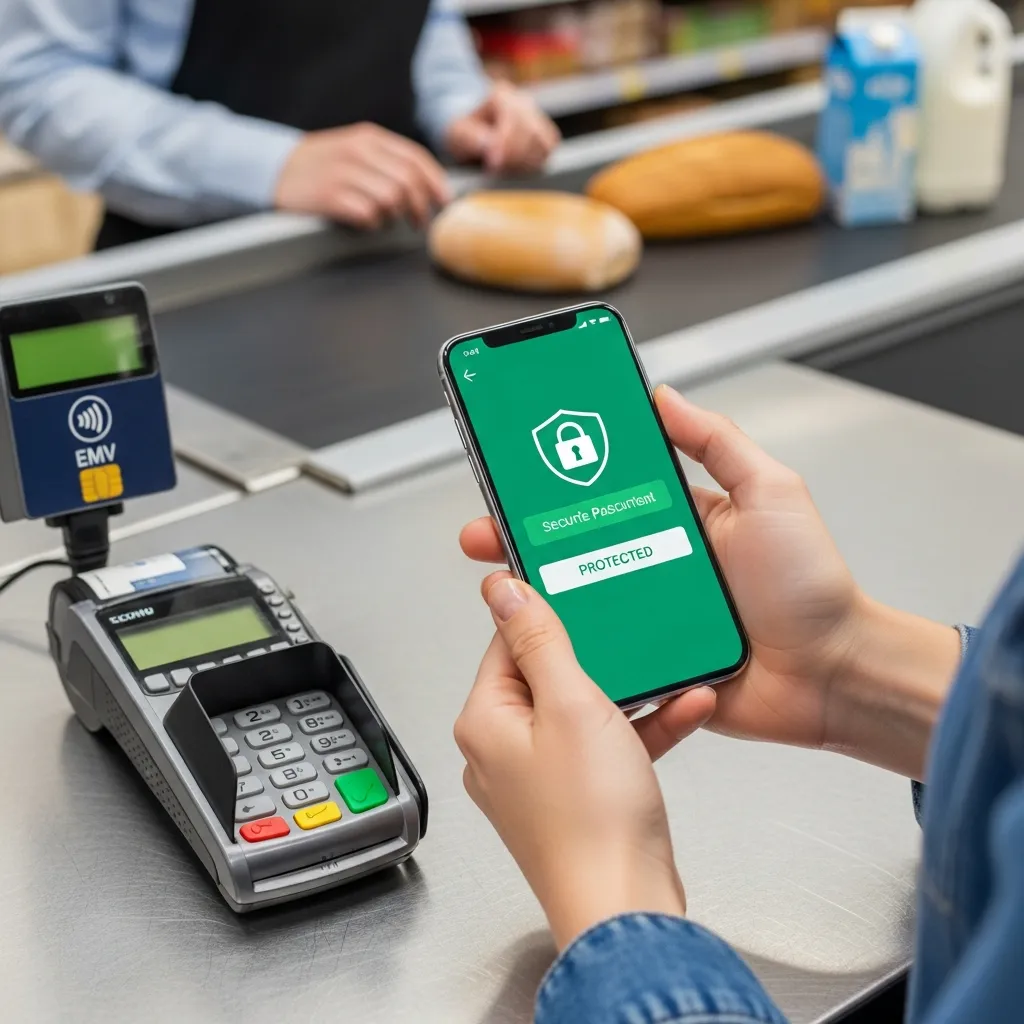 Navigating fluctuating costs is only half the battle. You must also ensure that your financial data remains secure when finalizing your purchase. The rush to secure seats often leads buyers to lower their guard, making them susceptible to fraudulent sellers and unsecured payment gateways.
Always use a major credit card when purchasing access to live events online. Credit cards provide robust federal fraud protections that debit cards and direct wire transfers lack. If a primary platform fails to deliver your digital pass, or if a secondary market seller provides an invalid barcode, you can easily initiate a chargeback through your credit card issuer.
Furthermore, you should only conduct transactions on platforms that utilize encrypted payment gateways. Avoid random social media sellers demanding peer-to-peer cash transfers. If you want to learn more about safeguarding your banking details from online threats, review this guide on secure payment methods for tickets.
The Regulatory Landscape and Consumer Pushback
The aggressive nature of algorithmic pricing has caught the attention of consumer advocacy groups and government regulators. Fans are increasingly vocal about the lack of transparency in the primary ticketing market. Many buyers feel tricked when they wait in line for hours, only to be presented with prices that look like unauthorized scalper rates.
Regulatory bodies are beginning to investigate these practices. Organizations like the Federal Trade Commission (FTC) have held hearings to explore the fairness of online ticket sales, examining everything from hidden service fees to algorithmic price gouging.
In some regions, legislators have proposed bills requiring ticketing platforms to disclose their pricing models upfront. These proposed laws would force websites to show the maximum possible price of a ticket before a user even enters the digital waiting room. While widespread federal regulation has not yet materialized, the mounting public pressure is forcing the industry to reconsider how it communicates with fans.
In the meantime, consumers must rely on independent watchdogs to report particularly deceptive practices. If you encounter a platform utilizing misleading sales tactics or refusing to honor their refund policies, filing a report with the Better Business Bureau (BBB) helps warn other buyers and creates a public record of the company’s behavior.
The Future of Event Admissions
The technology driving dynamic pricing event tickets will only become more sophisticated. Future algorithms will likely incorporate broader data points, such as local weather forecasts, real-time social media trends, and regional economic indicators, to set initial price floors.
However, technology also offers solutions for consumers. We are already seeing the emergence of smart platforms that allow fans to set strict price alerts. You can input your absolute maximum budget, and the system will automatically notify you if the algorithm drops the cost into your acceptable range.
The relationship between fans and the ticketing industry will always be a delicate balance of supply, demand, and profit margins. As long as artists continue to perform in venues with limited capacities, securing a seat will require a strategic approach.
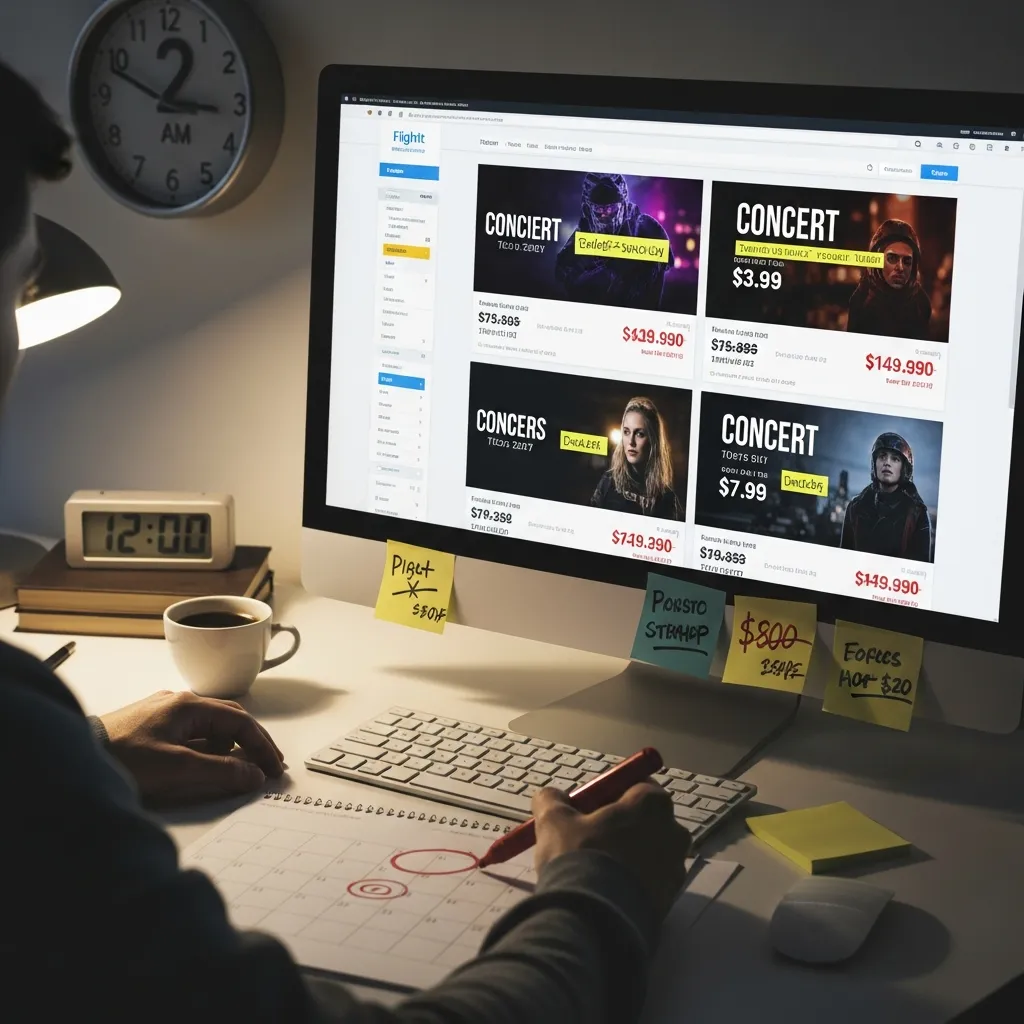 One of the most effective ways to beat dynamic pricing event tickets is to focus on timing. Prices often fluctuate depending on demand spikes, release phases, and how close the event date is. Buying too early can sometimes mean missing later discounts, while waiting too long can lead to sudden price surges or sellouts.