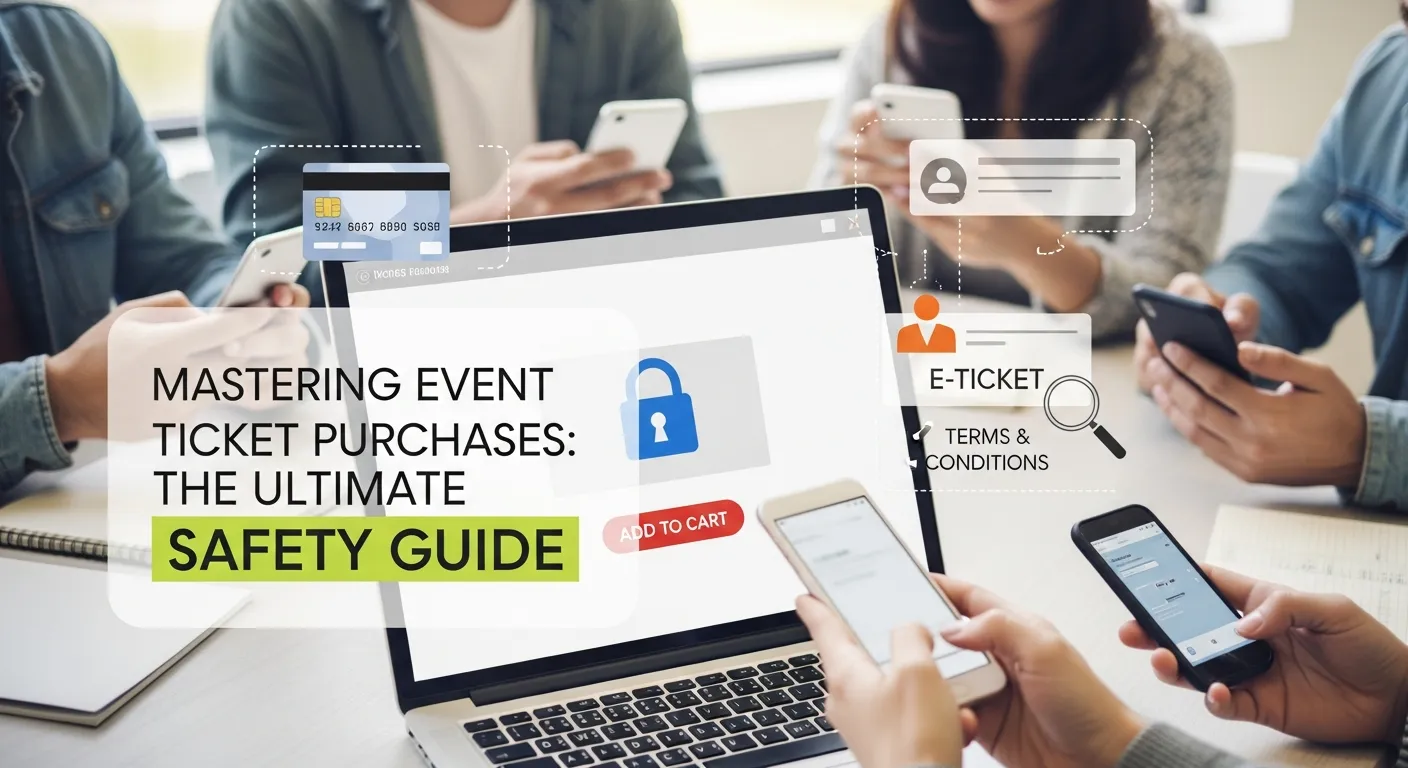
The event ticket purchase safety guide helps users understand how to buy tickets online securely while avoiding scams and fake listings. It explains the importance of using verified platforms, checking seller authenticity, and following safe checkout practices. The guide also highlights common fraud risks and provides practical tips for protecting your payment information during concert, sports, and live event ticket purchases.
In today’s digital landscape, event ticket purchases have become a seamless way to claim seats for concerts, theatre performances, and major sports fixtures. Yet beneath the convenience lies a spectrum of hazards that can turn your excitement into disappointment. This guide unpacks the essential strategies for navigating the complexities of ticket buying online, ensuring you can secure your passes without falling prey to deception. By adopting proven precautions from the Event Ticket Purchase Safety Guide, you’ll protect your personal data, avoid inflated fees, and guarantee entry into the event you cherish most.
Currently, millions of consumers rely on internet-based platforms to buy and exchange tickets, but not every vendor operates with transparency. Fake listings, hidden costs, and data breaches are only a few of the potential stumbling blocks. Whether you’re a seasoned ticket hunter or making your very first purchase, mastering the art of safe transactions through the Event Ticket Purchase Safety Guide will empower you to make informed choices and minimize risk.
Throughout this article, you will discover actionable tips spanning five critical areas: identifying the most common online pitfalls, selecting reputable marketplaces, safeguarding payment methods, recognizing scam indicators, and scoring seats for sold-out events. Drawing on advice from official sources like the Federal Trade Commission (https://www.consumer.ftc.gov/articles/ticket-scams) and the FBI’s Internet Crime Complaint Center (https://www.ic3.gov), we’ll equip you with the knowledge you need to confidently navigate event ticket purchases.
Understanding the Hazards of Online Ticket Transactions
 Counterfeit and Bogus Tickets
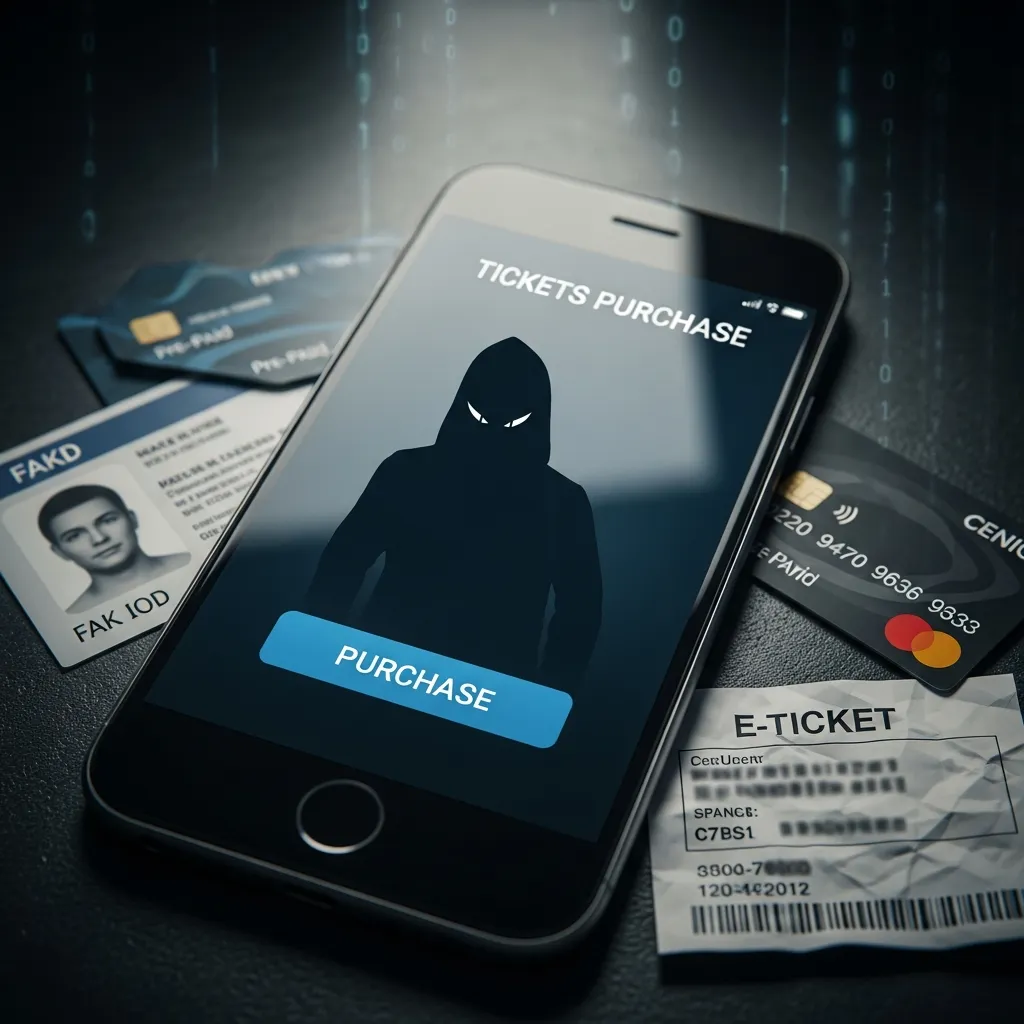
One of the foremost threats in the world of event ticket purchases is the proliferation of counterfeit or duplicate tickets that appear genuine until you reach the gate. Fraudsters use advanced printing techniques and digital editing tools to mimic official designs, leaving you stranded outside a sold-out venue. To mitigate this risk, always cross-check tickets with the event organizer’s official channels. Many venues now deploy authentication apps or QR code scanners that instantly verify the ticket’s validity upon entry. Following an Event Ticket Purchase Safety Guide approach can significantly reduce the chances of falling victim to these scams.
Phishing Schemes and Data Exposure
Phishing attacks have grown increasingly sophisticated, with imposter websites designed to harvest your login credentials and financial information. Attackers often replicate the branding, color schemes, and URLs of legitimate ticket platforms to catch you off guard. Before entering any sensitive details, look for indicators such as a secure HTTPS connection, a valid SSL certificate, and correct spelling in the domain name. Enabling two-factor authentication (2FA) on your accounts further shields you from unauthorized access.
Beyond phishing, some rogue sites install malware on your device to capture keystrokes or steal personal files. Maintain up-to-date antivirus software and avoid clicking on unsolicited links, especially those that arrive via SMS or social media. When you bookmark trusted ticket platforms, you minimize the chance of falling victim to lookalike domains, as emphasized in any reliable Event Ticket Purchase Safety Guide.
Hidden Fees and Unexpected Charges
Even legitimate platforms can surprise you with last-minute add-ons and processing costs that significantly inflate the advertised price. Service charges, delivery fees, and convenience surcharges often appear at checkout, turning an affordable ticket into a major expense. To avoid sticker shock, review the fine print before confirming your purchase, and compare total costs across multiple sites. This vigilance prevents impulse buys and keeps your budget on track while aligning with best practices in the Event Ticket Purchase Safety Guide.
Evaluating Trustworthy Ticket Marketplaces
Evaluating Trustworthy Ticket Marketplaces
Selecting a platform with a strong reputation is the cornerstone of secure event ticket purchases. Established vendors invest heavily in consumer protection, dispute resolution services, and encryption technologies that safeguard your transaction. Following an Event Ticket Purchase Safety Guide approach ensures you can separate legitimate platforms from risky or unreliable ones. Below are key criteria to guide your decision:
Independent Reviews
Seek objective feedback on third-party sites such as Trustpilot or the Better Business Bureau. Consistent patterns of positive and negative comments reveal how a platform handles order issues and customer inquiries. A reliable marketplace will usually have long-term review consistency rather than sudden spikes of suspiciously perfect ratings. Cross-checking reviews is a key step in any Event Ticket Purchase Safety Guide.
Official Alliances
Platforms partnered directly with venues, promoters, or artists are more likely to provide guaranteed tickets. Check the website footer or partnership page for logos of recognized organizations. These official affiliations reduce the risk of counterfeit listings and ensure your tickets are valid for entry.
Transparent Refund Policies
Read cancellation terms carefully before completing your purchase. A clear, generous refund window indicates confidence in their service and provides recourse in case an event is postponed or canceled. Hidden or overly strict refund conditions can be a warning sign of an untrustworthy marketplace.
Customer Support Channels
A legitimate marketplace offers multiple touchpoints—live chat, phone lines, and email support. Test response times with a simple inquiry before committing to a purchase. Fast and helpful customer support is often a strong indicator of a secure and professional platform.
By prioritizing these factors and applying an Event Ticket Purchase Safety Guide mindset, you reduce the chance of dealing with unscrupulous sellers and ensure that your purchase experience remains smooth, secure, and reliable.
Choosing Secure Payment Options
The method you use to pay for event tickets can have a significant impact on your liability and data safety. Following an Event Ticket Purchase Safety Guide approach ensures that your financial details stay protected throughout the checkout process. Below are recommended approaches to strengthen your financial protection:
Credit Cards
Credit issuers typically offer robust fraud protection and chargeback rights, making them the preferred option for online purchases. Look for cards with zero-liability policies that shield you from unauthorized charges. In most cases, credit card companies can quickly reverse fraudulent transactions, giving you an added layer of security during event ticket purchases.
Digital Wallets
Services like PayPal, Apple Pay, or Google Pay provide an additional encryption layer, preventing merchants from accessing your full card details. This extra buffer limits exposure of your financial data in case of a breach. Many digital wallets also include built-in buyer protection programs, which align with best practices in any Event Ticket Purchase Safety Guide.
Avoid Direct Bank Transfers
While wire transfers and peer-to-peer payment apps might seem convenient, they lack dispute resolution mechanisms common to credit cards and reputable digital wallets. Once funds are sent, they can be difficult to recover, especially if the seller turns out to be fraudulent. This makes them a high-risk option for ticket purchases.
Extra Safety Practices
Whenever possible, use a payment option that offers end-to-end encryption and the ability to contest suspicious transactions. Enabling transaction alerts, setting spending limits, and monitoring your account statements regularly also helps you spot unauthorized activity early. Combining these habits with an Event Ticket Purchase Safety Guide mindset ensures stronger financial protection when buying tickets online.
Detecting and Steering Clear of Ticket Scams

Recognizing Scam Indicators in Ticket Purchases
Scammers continually refine their tactics, so staying vigilant is essential for anyone involved in event ticket purchases. Applying an Event Ticket Purchase Safety Guide approach can help you quickly identify warning signs before your money or personal data is compromised. Familiarize yourself with these common red flags:
Unrealistic Discounts
Prices far below market value on high-demand events often signal fraudulent or non-existent tickets. While discounts do appear occasionally, extreme price drops for sold-out concerts or major sports events should be treated with caution. Always compare prices across trusted platforms before proceeding.
Pressure Tactics
Urgent language—such as “Only two left!” or “Act now!”—is designed to bypass your rational decision-making. These tactics create artificial scarcity to push quick payments. A key principle in any Event Ticket Purchase Safety Guide is to pause and verify the authenticity of the offer before moving forward.
Unsecured Links
Offers sent via unsolicited SMS or direct messages on social media can lead you to malicious sites. Always navigate manually to a known, secure domain to complete your transaction. Avoid clicking unknown links, even if they appear to come from trusted sources.
Absence of Support Information
Scam sites rarely provide real customer service contacts or take days to reply. Confirm that the seller has a verifiable phone number, email address, and prompt response times. Legitimate platforms typically offer multiple support channels and clear communication options.
Additional Warning Signs
Be cautious of websites with poor design, spelling errors, or inconsistent branding, as these often indicate fake marketplaces. Also, avoid sellers who refuse secure payment methods or push for untraceable transfers.
Trust your instincts: if something feels off—whether it’s an oddly low price or a generic email confirmation—take a step back and reexamine the listing. Following an Event Ticket Purchase Safety Guide mindset makes it easier to avoid scams. It’s better to miss a fleeting deal than to lose money on a phony ticket.
Strategies for Last-Minute and Sold-Out Event Bookings

Scoring tickets for sold-out or nearly sold-out events requires patience, research, and a clear plan of action. Using an Event Ticket Purchase Safety Guide approach helps you stay focused on legitimate sources while avoiding risky shortcuts that often lead to scams. Use these tactics to improve your odds without exposing yourself to fraud.
Official Resale Platforms
Many venues and primary sellers now host sanctioned resale exchanges where fans can list tickets at capped prices. These marketplaces often guarantee authenticity and offer protection if the original buyer cancels. Sticking to these platforms is one of the safest ways to secure tickets during high-demand situations. You can also learn more about safe payment practices in this guide on secure payment methods for tickets.
Verified Social Channels
Follow only the official social media accounts of artists, venues, and promoters. They sometimes post resale alerts or release last-minute ticket bundles. Avoid private messages from unknown individuals offering seats, as these are commonly linked to fraudulent activity. Always verify announcements through official sources. For more details on avoiding fraud, check how to avoid fake tickets and scams.
Price-Tracking Tools
Some ticket sites and browser extensions provide alerts when tickets for a specific event become available or when prices drop. Set realistic budget limits to prevent overspending under pressure. Combining price tracking with an Event Ticket Purchase Safety Guide strategy can help you act quickly but safely.
Local Community Groups
Join fan clubs or local online communities related to the event. Members often share legitimate resale opportunities. However, always confirm seller credibility by checking their platform reputation, transaction history, and any mutual connections before making a purchase. You can also explore how ticket systems work in the complete guide to ticket marketplaces.
Frequently Asked Questions
1. What is the Event Ticket Purchase Safety Guide?
It is a set of best practices that helps you buy event tickets online safely while avoiding scams, fraud, and hidden charges.
2. Why is the Event Ticket Purchase Safety Guide important?
It helps protect your money, personal data, and ensures you receive valid tickets for concerts, sports, and live events.
3. How can I know if a ticket website is safe?
Check for HTTPS security, verified partnerships, clear refund policies, and positive reviews from trusted third-party sites.
4. What payment methods are safest for buying tickets?
Credit cards and digital wallets like PayPal or Apple Pay are safest because they offer fraud protection and dispute options.
5. How do I avoid fake ticket sellers?
Always buy from official platforms or verified resale marketplaces and avoid unknown social media sellers or direct messages.
6. What are common signs of ticket scams?
Unrealistic discounts, urgency tactics, unsecured links, and lack of customer support are major scam warning signs.
7. Can I get a refund if my ticket is fake?
If you used a credit card or protected payment method, you may be able to file a dispute and request a refund.
8. Is it safe to buy resale tickets?
Yes, but only through official or verified resale platforms that guarantee ticket authenticity and buyer protection.
9. How can I find last-minute event tickets safely?
Use official resale platforms, verified alerts, and trusted fan communities while avoiding private unknown sellers.
10. What should I do before finalizing a ticket purchase?
Double-check the seller, compare prices, review fees, confirm security, and follow the Event Ticket Purchase Safety Guide principles.
Conclusion
The Event Ticket Purchase Safety Guide provides essential knowledge for safely navigating today’s fast-moving digital ticket marketplace. With rising cases of scams, fake listings, and hidden charges, understanding secure buying practices is more important than ever. By using trusted platforms, secure payment methods, scam detection strategies, and verified resale channels, you can confidently protect your money and personal information.
Whether you’re buying early or searching for last-minute seats, following the Event Ticket Purchase Safety Guide ensures a safer, smarter, and stress-free ticket buying experience—so you can focus on enjoying the event instead of worrying about risks.