


A travel experience booking platform is an online marketplace where travelers search, compare, and book tours, activities, and local experiences—while providers list offerings, accept payments, and manage reservations in one secure place.
Travel has shifted in a big way. People no longer chase only landmarks and souvenirs—they chase moments. A sunrise hike in Bali, a pasta-making class in Rome, a guided street-food crawl in Bangkok. This hunger for real, shareable experiences has powered the rapid rise of the travel experience booking platform, reshaping how travelers plan trips and how local businesses reach the world.
A travel experience booking platform brings thousands of activities into one searchable space. Instead of juggling a dozen browser tabs, you compare options, read verified reviews, check live availability, and pay securely in minutes. For providers, the same platform doubles as a digital storefront, marketing engine, and booking manager.
This guide covers everything you need to know. You’ll learn how these platforms evolved, the core features that matter, the benefits for both travelers and providers, the major players in the market, and where the industry is heading. By the end, you’ll know exactly how to pick the right travel experience booking platform for your needs—whether you’re booking your next adventure or growing an experience-based business.
Beyond convenience, a modern travel experience booking platform also enhances personalization through AI-driven recommendations, helping travelers discover unique activities based on their interests, budget, and location. This makes trip planning more intuitive and enjoyable, reducing decision fatigue and increasing satisfaction.
For businesses, a travel experience booking platform opens access to a global audience, allowing small local operators to compete with larger travel agencies. It also provides tools for analytics, customer feedback, and dynamic pricing, helping them optimize performance and grow revenue.
As the industry continues to evolve, a travel experience booking platform is becoming more than just a booking tool—it is transforming into a complete travel ecosystem that connects people, cultures, and experiences in real time.
What is a travel experience booking platform?
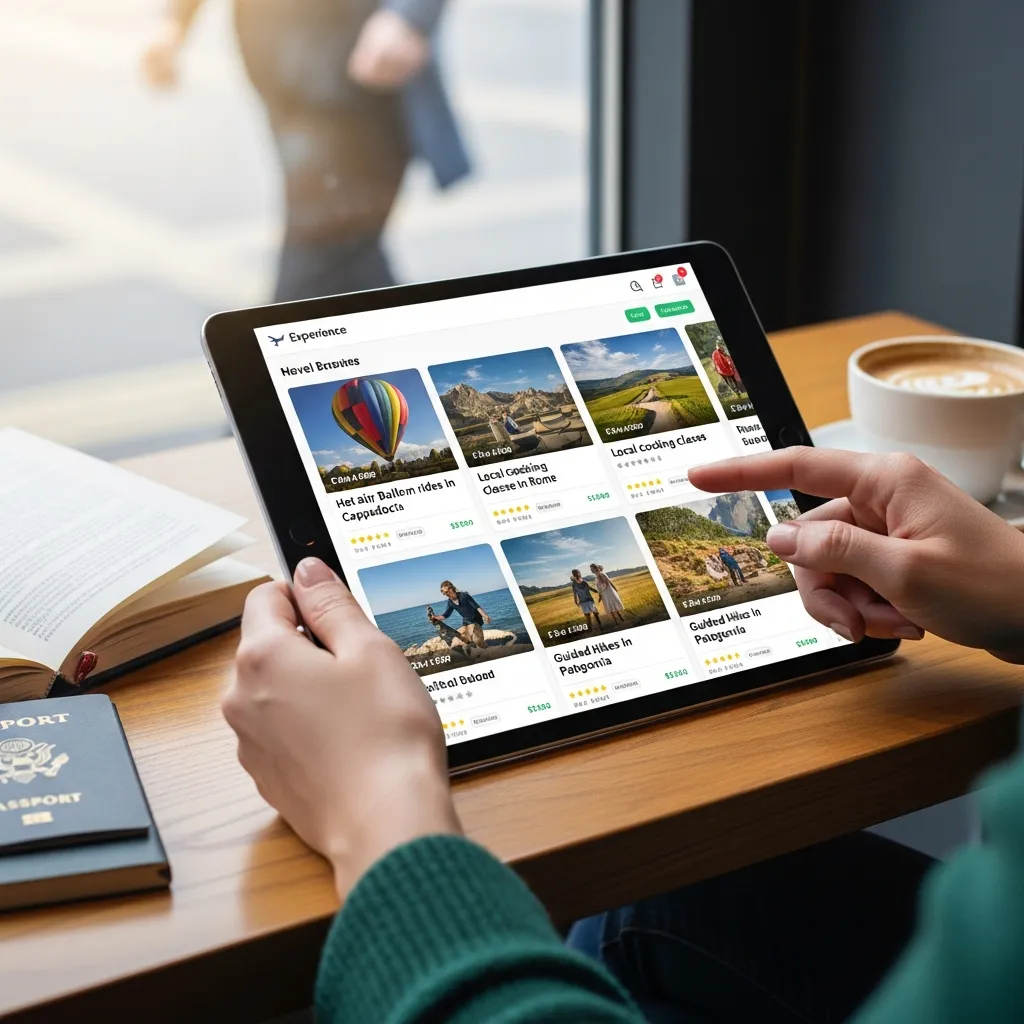 A travel experience booking platform is an online service that connects travelers with tours, activities, and local experiences, while giving providers the tools to sell and manage those bookings. Picture guided food walks, scuba lessons, pottery workshops, wine tastings, and day trips—all searchable, comparable, and bookable in one place.
These platforms handle the full booking journey. Travelers browse options, check pricing and schedules, read reviews, and complete a secure payment. Within minutes, they receive an instant digital voucher or QR code for entry. On the provider side, the same experience ticket booking system automates reservations, updates availability in real time, and processes payments without manual effort.
The model overlaps closely with broader travel experience marketplaces and tour booking platforms, which manage the same end-to-end flow from discovery to digital confirmation.
As the demand for personalized travel grows, these platforms are becoming more intelligent and user-focused. Modern systems use data analytics and recommendation engines to suggest relevant activities based on traveler preferences, location, and past behavior. This not only improves user experience but also increases booking conversion rates for providers.
In addition, a travel experience booking platform helps small and medium-sized tourism businesses reach global audiences without heavy marketing costs. Local guides, independent instructors, and niche experience providers can showcase their services to international travelers, creating new income opportunities and expanding tourism ecosystems.
Security and convenience are also key advantages. With integrated payment gateways, cancellation policies, and customer support systems, users can book with confidence. Meanwhile, providers benefit from centralized dashboards that simplify scheduling, pricing, and customer management.
Overall, a travel experience booking platform acts as a bridge between travelers and real-world experiences, making discovery, booking, and participation seamless, efficient, and highly personalized.
The rise of the travel experience booking platform
Booking a trip used to mean a phone call to a travel agent or a stack of glossy brochures. Agents handled flights and hotels, but activities? Those you sorted out on arrival—often by standing in line or quizzing a hotel concierge.
How traditional agencies differ from modern platforms
Traditional travel agencies focused on the big transactional pieces: airfare, accommodation, and package deals. A modern travel experience booking platform focuses on the experience layer—the activities that fill your days and create lasting memories.
The difference runs deeper than convenience. Agencies sold standardized packages. Today’s online travel booking platform offers thousands of niche, local options you can filter by interest, budget, and date.
What’s driving market growth?
Several forces pushed this growth forward:
Smartphone adoption made browsing and booking possible anywhere, anytime.
The sharing economy normalized booking directly from individuals and small operators.
Social media turned unique experiences into status symbols worth booking.
Demand for authenticity drove travelers toward local hosts over generic tours.
According to research from the Expedia Group, experiences now rank among the top reasons people choose a destination. Younger travelers especially value authentic, local activities that feel personal and worth sharing.
Beyond these trends, another major factor fueling the growth of the travel experience booking platform is trust. Secure payment systems, verified reviews, and transparent cancellation policies have made users more confident in booking online rather than relying on offline arrangements.
Technology has also played a key role in scaling these platforms. Artificial intelligence, real-time inventory management, and mobile-first design have transformed how users discover and book activities. A modern travel experience booking platform now provides personalized recommendations, helping travelers find hidden gems that match their interests and travel style.
For providers, this shift has created entirely new business opportunities. Local guides, small tour operators, and independent experience creators can now reach a global audience without relying on traditional travel agencies. This has democratized the tourism industry and allowed more diverse experiences to enter the market.
As competition increases, platforms are also focusing heavily on user experience, loyalty programs, and bundled offerings that combine activities with accommodation and transport. This integrated approach is shaping the future of the online travel booking platform ecosystem, making it more connected, efficient, and traveler-centric than ever before.
Core features of a leading travel experience booking platform
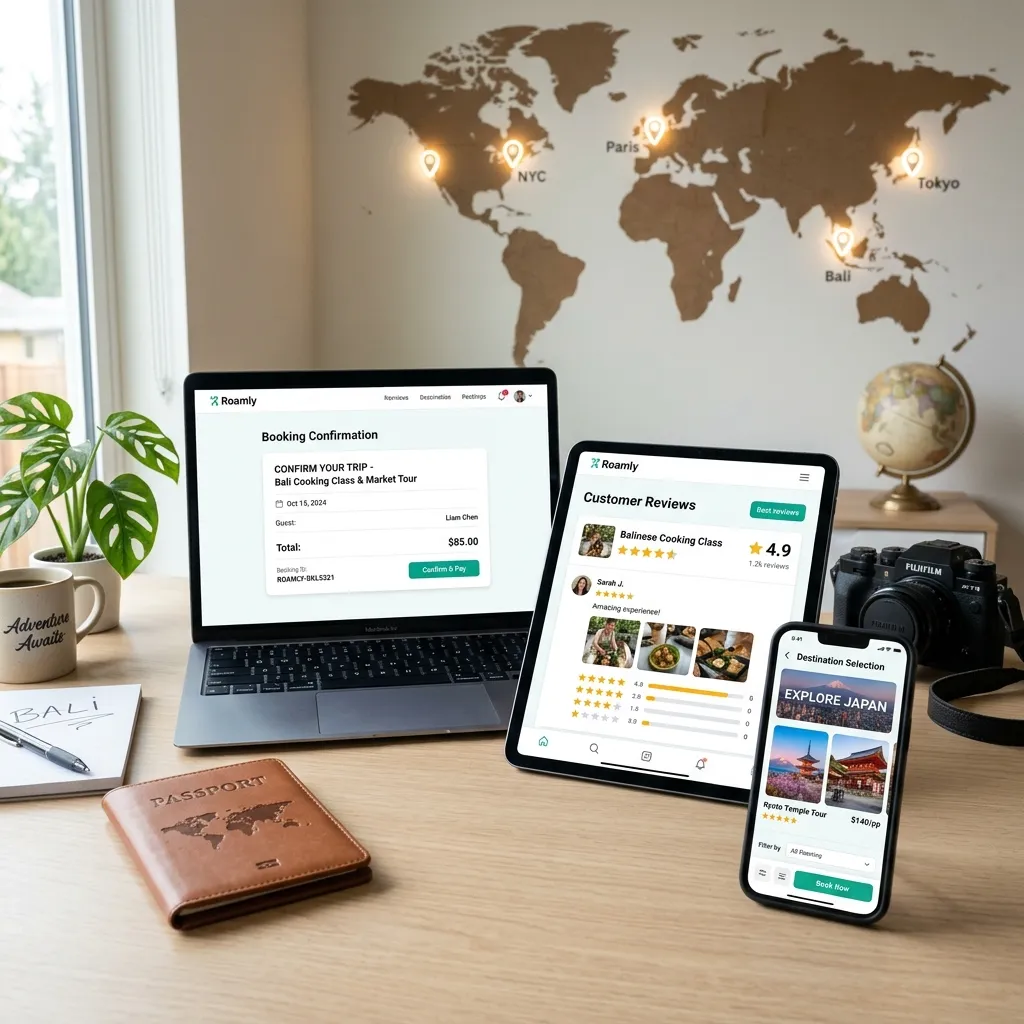 Not all platforms are built the same. A few key features separate the great from the merely functional.
User-friendly interface and navigation
A clean, intuitive design makes browsing and booking painless across desktop and mobile. The smoother the path from search to checkout, the more likely travelers are to complete a booking.
A diverse range of experiences
The best platforms cover broad ground—adventure sports, cultural tours, culinary classes, wellness retreats, and family-friendly outings. More variety means better odds of finding exactly what you want.
Advanced search and filtering
Strong search algorithms surface relevant activities based on location, dates, and interests. Filters for price, duration, group size, and category help travelers narrow thousands of options down to a handful that fit.
Secure payments and multi-currency support
Reputable platforms use encryption and trusted payment gateways to protect financial information. Multi-currency support matters for international travelers, who can pay in their own currency without guesswork. The same secure payment principles covered in the museum tickets online booking guide apply directly to experience bookings.
Customer reviews and ratings
Verified reviews are one of the most valuable tools any travel experience booking platform offers. Honest feedback from past travelers helps you avoid disappointment and choose activities that consistently deliver. This principle echoes the advice in the attraction ticket booking guide, which stresses checking reviews before you buy.
Mobile accessibility and app integration
With more travelers booking on their phones, mobile-first design is non-negotiable. Fast apps, digital wallets, and offline access to vouchers and QR codes keep the experience smooth even when connectivity drops.
Benefits for travelers: why choose a travel experience booking platform?
The appeal for travelers is hard to ignore.
Convenience and accessibility
You can plan an entire itinerary from your couch, your phone, or an airport lounge—anytime, anywhere. No phone calls, no waiting for office hours.
Wider selection and unique offerings
A single search surfaces hidden gems alongside marquee attractions. Many activities are hosted by locals who share genuine knowledge and access you’d never find on your own.
Price comparison and best value
Because providers compete for your booking, an online travel booking platform often features discounts, bundle deals, and side-by-side price comparison. That transparency helps you find the best value fast.
Authentic experiences and local immersion
The shift toward experiential travel is really a shift toward connection. Booking directly from local hosts means richer, more authentic encounters—exactly what modern travelers want.
Enhanced planning and itinerary management
Securing activities in advance lets you coordinate experiences with transport, accommodation, and other bookings. The result is a smoother, better-organized trip with fewer surprises.
Benefits for providers: empowering businesses through an experience ticket booking system
A travel experience booking platform isn’t just for travelers. It’s a growth engine for the small businesses and local hosts behind the experiences.
Expanded reach and global visibility
A single listing exposes a provider to a global audience they could never reach alone. International travelers planning months ahead can discover and book instantly.
Streamlined booking and management
An experience ticket booking system automates the heavy lifting—reservations, confirmations, calendar management, and customer communication all happen in one place. That frees operators to focus on delivering great experiences instead of drowning in admin.
Reduced administrative burden
Real-time availability updates prevent overbooking. Automated confirmations cut down on back-and-forth. Less manual work means more time for the business itself.
Marketing and promotional tools
Featured listings, seasonal promotions, and email campaigns put offerings in front of motivated buyers—marketing muscle most small operators couldn’t build alone.
Data insights for business growth
Booking platforms generate valuable data on customer behavior, peak demand periods, and top-performing experiences. Operators use these insights to refine pricing, improve offerings, and plan smarter.
Key players in the travel and tourism booking platform landscape

The market includes global giants and niche specialists alike.
Major global platforms
- Airbnb Experiences lets travelers book activities hosted by locals, from photography walks to truffle hunts.
- GetYourGuide offers a polished app with verified reviews and broad category coverage across thousands of destinations.
- Viator, owned by Tripadvisor, boasts one of the largest inventories of tours and activities worldwide.
- Klook dominates in the Asia-Pacific region, bundling experiences, attractions, and transport.
Niche and specialized platforms
Some platforms focus on specific values. Responsible Travel curates sustainable trips, while Culture Trip leans into immersive cultural experiences. These specialists deliver deeper expertise for travelers with particular interests.
Emerging trends and innovators
New entrants keep appearing, often built around a single category—adventure sports, culinary tours, or wellness retreats—where they can offer more curated options than the giants. The most promising ones differentiate through unique inventory or a clear specialty.
Navigating challenges and future trends
Every travel and tourism booking platform faces a competitive, fast-moving landscape.
Competition and market saturation
With so many platforms, standing out requires unique inventory or a clear specialty. Generic offerings get lost in the crowd.
Maintaining authenticity and quality control
Ensuring every experience meets a consistent standard is hard across thousands of independent hosts. Some critics also question whether “authentic” experiences stay authentic once they scale.
The impact of AI and personalization
Artificial intelligence is reshaping how platforms recommend experiences. Expect smarter, hyper-personalized suggestions based on past bookings, search history, and stated preferences.
Sustainability and responsible tourism
Popular destinations can suffer from over-tourism, straining local resources. In response, many platforms now offer eco-certifications, smaller group sizes, and carbon-offset options to keep travel responsible.
Blockchain and enhanced security
Blockchain-based models may improve transparency and reduce fraud in bookings. Decentralized systems promise tamper-proof records and instant verification—an evolution mirrored across the wider ticketing world.
How to choose the best travel experience booking platform (for travelers)
The right platform depends on your trip and priorities.
Identify your needs and preferences
Adventure seeker, culture lover, or relaxed sightseer? Choose a platform whose inventory matches your style. A broad platform like Viator or GetYourGuide works best when comparing many options matters most. A niche specialist suits trips centered on a specific interest, like sustainable travel or culinary tours.
Research platform reputation and reviews
Don’t settle for the first option. Cross-check verified reviews and prices across a few platforms. Watch for red flags—a flood of vague five-star reviews posted in a short window often signals fakes.
Consider customer support and flexibility
Strong platforms back bookings with responsive support and clear dispute resolution. Always read cancellation policies before booking, and favor platforms with flexible terms. The same all-in pricing principles from the best ticket resale platforms guide apply here: compare the full checkout cost, not the headline price.
For providers: maximizing your presence
If you list experiences, a few moves can sharpen your edge on any travel experience booking platform.
- Compare commission rates. Fees add up fast, so weigh what each platform takes per booking against the reach it delivers.
- Optimize your listings. Clear photos, detailed descriptions, and honest expectations reduce cancellations and earn better reviews.
- Encourage reviews. Verified feedback builds trust and pushes your listing higher in search results.
- Use the analytics. Lean on demand data to adjust pricing, add capacity during peak periods, and double down on top performers.
- Pick a scalable platform. Choose one that can grow with your business as you add experiences and reach new markets.
Key Features of a Travel Experience Booking Platform
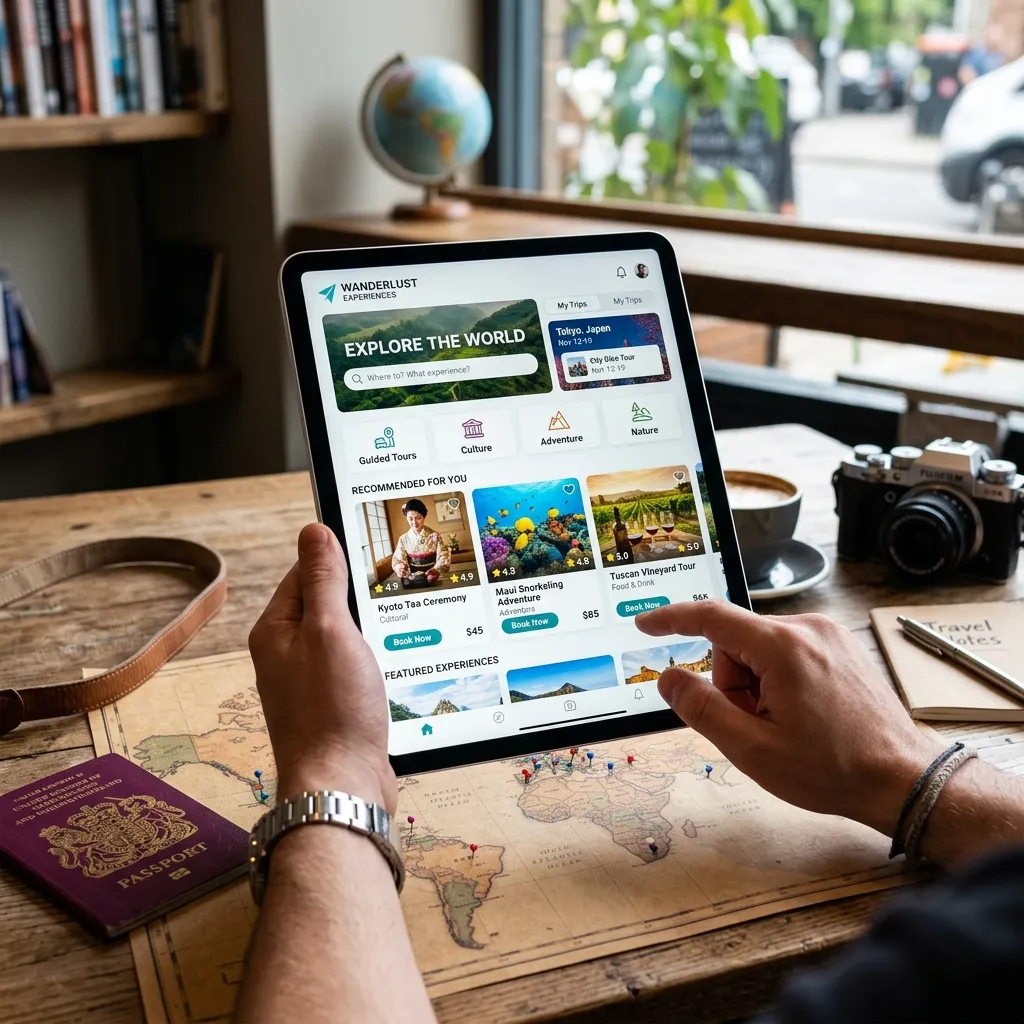
A modern travel experience booking platform is designed with multiple advanced features that simplify the entire travel booking process. It allows users to search thousands of activities in real time and compare them based on price, location, and category. Verified reviews help travelers make confident decisions before booking any experience. Secure payment systems ensure safe transactions, while instant booking confirmations remove waiting time and uncertainty. Mobile-friendly design makes it easy to book experiences on the go from anywhere in the world. Availability calendars show real-time slots so users can plan efficiently. Personalized recommendations suggest activities based on user behavior and preferences. Wishlist options allow travelers to save their favorite experiences for later. Multi-language support makes the platform accessible to global users. Customer support systems are available to solve issues quickly and efficiently. Dynamic pricing helps users find better deals depending on demand. Integration with maps helps travelers locate experiences easily. Digital vouchers and QR codes simplify entry processes. All these features combine to create a seamless and efficient booking experience.
Benefits for Travelers
Travelers gain multiple advantages when using a travel experience booking platform for their journeys. It saves time by bringing all activities into a single platform instead of searching multiple websites. Users can easily compare prices and choose the best available options. Transparent reviews from real users help build trust and confidence. Flexible booking options allow last-minute planning without stress. Exclusive discounts and deals help reduce travel expenses. Personalized recommendations improve the overall travel experience. It eliminates confusion caused by offline booking methods. Travelers gain access to unique local experiences that are often unavailable elsewhere. Easy cancellation policies offer flexibility and peace of mind. Digital tickets reduce paperwork and make travel more organized. Mobile access ensures convenience during trips. Safety features protect users during transactions. The platform encourages exploration of new destinations and activities. Overall, it makes travel planning smoother, faster, and more enjoyable.
Benefits for Experience Providers
A travel experience booking platform provides significant benefits for experience providers as well. It allows local businesses to reach a global audience without heavy marketing costs. Small operators can compete with larger travel companies on the same platform. Automated booking systems reduce manual effort and save time. Real-time availability management prevents overbooking issues. Secure payment systems ensure smooth financial transactions. Customer reviews help build trust and credibility over time. Marketing exposure increases significantly without traditional advertising. Analytics tools provide insights into customer behavior and preferences. Providers can adjust pricing based on demand patterns. Seasonal trends become easier to track and analyze. Mobile dashboards help manage operations efficiently. Cancellation and refund systems are automated for convenience. Dependency on traditional travel agents is reduced. Overall, it increases revenue, efficiency, and business growth opportunities.
How Booking Platforms Use Technology
Technology plays a central role in the success of a travel experience booking platform. Artificial intelligence is used to provide personalized travel recommendations based on user behavior, preferences, and past bookings. Machine learning helps analyze large datasets to improve search accuracy and suggest more relevant experiences. Cloud systems store massive amounts of travel data securely while ensuring fast access across devices. APIs connect hotels, tour operators, and payment gateways, creating a fully integrated ecosystem. Mobile applications allow users to book experiences instantly from anywhere in the world. Chatbots provide 24/7 customer support, reducing response time and improving user satisfaction. GPS integration helps travelers navigate destinations and locate activity points easily. Big data analytics improves pricing strategies and demand forecasting for providers. Automation reduces manual errors in booking, scheduling, and payment processing. Blockchain technology is emerging as a secure way to handle transparent transactions and reduce fraud risks. Augmented reality allows users to preview experiences before booking, increasing confidence in decision-making. Real-time updates ensure accurate availability and prevent overbooking issues. Cybersecurity systems protect sensitive user and payment data from threats. Voice search and smart assistants are also becoming part of the ecosystem. Overall, technology makes the platform faster, smarter, more secure, and highly scalable for global users.
Types of Travel Experiences Available
 A travel experience booking platform offers a wide and diverse range of travel activities designed for different types of travelers. Adventure experiences include hiking, scuba diving, skydiving, trekking, and mountain climbing for thrill seekers. Cultural tours allow travelers to explore local traditions, historical landmarks, and heritage sites. Food-based experiences include cooking classes, food tasting tours, and street food exploration. Nature-based experiences involve safaris, jungle tours, eco-tourism, and wildlife spotting. City tours help users discover urban attractions, architecture, and hidden gems in metropolitan areas. Wellness experiences include yoga retreats, meditation sessions, spa treatments, and holistic healing programs. Entertainment options feature concerts, theater shows, festivals, and live performances. Water activities include snorkeling, surfing, boating, kayaking, and scuba diving adventures. Photography tours are popular among content creators who want to capture scenic locations. Luxury experiences offer private tours, yacht trips, premium dining, and VIP travel services. Educational tours provide learning-based travel such as workshops and cultural training. Family-friendly experiences are designed for safe and enjoyable group travel. Solo traveler experiences focus on flexible and independent exploration. Seasonal and festival-based experiences add cultural richness. This wide variety ensures every traveler finds something meaningful and personalized.
Challenges in the Industry
Despite rapid growth, the travel experience booking platform industry faces several complex challenges. High competition among platforms leads to reduced profit margins and aggressive pricing strategies. Maintaining trust and authenticity in user reviews is difficult due to fake feedback and manipulation risks. Fraudulent listings and unreliable providers can negatively affect customer trust. Seasonal demand fluctuations create unstable revenue streams for many providers. Customer expectations are extremely high, especially regarding instant support and flexibility. Continuous technology updates are required to stay competitive in a fast-changing digital environment. Small and local providers often struggle with digital onboarding and platform management. Commission structures can be complex, affecting provider profitability. Cross-border transactions face challenges due to currency differences and payment restrictions. Regulatory compliance varies significantly across countries, creating legal complexity for global platforms. Data privacy regulations are becoming stricter, requiring advanced security systems. Marketing costs are increasing due to high competition in digital advertising. Platform scalability is another challenge as user demand grows rapidly. Customer retention requires constant innovation and engagement strategies. Despite these challenges, the industry continues to grow due to increasing demand for experiential travel.
Role of Reviews and Ratings
Reviews and ratings play a crucial role in shaping the success of a travel experience booking platform. They act as a trust-building mechanism between travelers and providers. Verified reviews ensure transparency and help users make informed decisions before booking. Ratings highlight the overall quality, safety, and satisfaction level of experiences. Negative feedback helps providers identify weaknesses and improve service quality. User-generated content adds authenticity and real-world validation to listings. Photo and video reviews provide visual proof of the experience. Detailed feedback helps future travelers understand what to expect. Provider responses to reviews strengthen communication and customer relationships. Review systems reduce uncertainty and increase booking confidence. High ratings significantly improve visibility and conversion rates on platforms. Fake reviews are monitored using AI-based detection systems. Transparent feedback improves overall platform credibility. Reviews also influence ranking algorithms and search results within platforms. Over time, they shape the reputation of both providers and the platform ecosystem.
Mobile Experience and App Usage
Mobile experience has become the backbone of modern travel experience booking platforms. Most users now prefer mobile apps over desktop websites due to convenience and speed. Mobile applications offer faster navigation and smoother user interaction. Push notifications keep users updated about deals, discounts, and booking confirmations. Offline access features allow travelers to use essential information even without internet connectivity. Mobile payment systems simplify transactions and improve booking speed. GPS integration enhances navigation and helps users locate experiences easily. QR code-based entry systems eliminate the need for printed tickets. Voice search functionality improves accessibility and ease of use. Personalized dashboards help users track bookings, preferences, and recommendations. Real-time updates ensure travelers receive accurate schedule information. Mobile-first design improves engagement and user satisfaction significantly. App performance directly influences user retention and platform loyalty. Integration with maps and calendar systems improves travel planning efficiency. Mobile usage continues to dominate the global travel booking industry and is expected to grow further.
Future Trends in Travel Experience Platforms
The future of travel experience booking platforms is driven by innovation, personalization, and sustainability. Artificial intelligence will continue improving recommendation accuracy and user personalization. Virtual reality will allow users to explore and preview travel experiences before booking. Sustainable travel options will become a major focus as eco-conscious tourism grows. Voice-based booking systems will become more widely adopted for convenience. Hyper-local experiences will gain popularity as travelers seek authentic cultural immersion. Blockchain technology may enhance transparency and reduce fraud in transactions. Smart recommendation engines will evolve to predict user needs more accurately. Eco-friendly travel options will expand as environmental awareness increases. Integration with wearable devices like smartwatches will improve real-time travel assistance. Subscription-based travel models may offer unlimited or bundled travel experiences. Real-time translation tools will eliminate language barriers for global travelers. Automation will further reduce manual tasks in booking and management processes. Data-driven travel planning will dominate decision-making in the industry. Overall, the industry is moving toward a fully connected, intelligent, and experience-driven ecosystem.
Importance of Customer Trust and Safety
Customer trust is the foundation of any successful travel experience booking platform. Secure payment systems protect users from fraud and financial risks. Identity verification ensures that only authentic providers list their services. Transparent pricing builds confidence and prevents hidden charges. Clear cancellation and refund policies reduce uncertainty for travelers. 24/7 customer support enhances reliability and improves user satisfaction. Data encryption protects sensitive personal and payment information. Verified provider systems ensure consistent service quality across platforms. Insurance options provide additional safety and protection for travelers. Dispute resolution systems help resolve conflicts fairly and efficiently. Platform monitoring tools detect and remove fraudulent activities. User reviews and ratings add transparency and accountability. Emergency support systems ensure traveler safety during unexpected situations. Trust directly influences booking decisions and platform growth. Without strong safety measures, no platform can achieve long-term success in the travel industry.
Personalization and User Experience in Travel Platforms
Personalization has become one of the most important elements in a travel experience booking platform. Modern users expect tailored recommendations instead of generic listings. These platforms analyze user behavior, search history, and past bookings to suggest highly relevant experiences. Artificial intelligence plays a key role in creating personalized travel itineraries that match individual interests and budgets. For example, a user interested in food may receive cooking classes, street food tours, and culinary workshops as recommendations. Another user interested in adventure may see hiking, diving, and trekking options prioritized. This level of customization improves user satisfaction and increases booking conversion rates. User experience design also plays a major role in making navigation simple and intuitive. Clean layouts, smart filters, and quick search options help users find experiences faster. Saved preferences and wishlists allow users to plan future trips easily. Personalized emails and notifications keep users engaged even after their trip ends. Dynamic content updates ensure users always see the most relevant experiences. Over time, this personalization builds loyalty and repeat usage. As competition grows, platforms that invest in better user experience and personalization will have a strong advantage in the market.
Economic Impact of Travel Experience Platforms
 A travel experience booking platform has a significant impact on the global and local economy. It creates new income opportunities for small and medium-sized tourism businesses that previously depended on traditional travel agencies. Local guides, independent instructors, and small tour operators can now reach international customers without large marketing budgets. This democratization of tourism helps distribute economic benefits more evenly across regions. Increased tourism activity also boosts related industries such as transportation, hospitality, food services, and retail. Governments benefit from increased tax revenue generated by tourism growth. Digital platforms also encourage entrepreneurship by allowing individuals to create and list unique experiences easily. Remote and rural areas gain visibility, leading to economic development in less-visited regions. Seasonal tourism becomes more stable due to global reach and year-round bookings. The platform economy also generates jobs in customer support, technology, and marketing sectors. Additionally, data insights from these platforms help destinations understand tourist behavior and improve infrastructure planning. However, it also introduces challenges such as dependency on platform commissions and competition among providers. Despite this, the overall economic contribution of travel experience platforms continues to grow globally.
Conclusion
A travel experience booking platform has reshaped how we discover and book the moments that make trips memorable. Travelers get choice, convenience, and confidence. Providers get global reach, automation, and data-driven growth. It’s a genuine win on both sides.
The key is choosing the right fit. Travelers should weigh variety, reviews, and pricing transparency. Providers should focus on commission rates, reach, and support. A little research goes a long way either way.
As technology advances and travelers keep chasing authentic moments, the online travel booking platform will only grow more central to how we explore the world. For broader planning, resources like the U.S. Travel Association and traveler communities like Tripadvisor can round out your research. Ready to plan your next adventure? Start exploring a platform that matches your travel style today.
Frequently Asked Questions
1. What is a travel experience booking platform?
A travel experience booking platform is an online marketplace where travelers search, compare, and book tours, activities, and local experiences—such as cooking classes, guided walks, or adventure trips—while providers list and manage their offerings in one place.
2. How do travel experience booking platforms make money?
Most platforms earn revenue through commissions charged to providers for each booking, plus service fees added to traveler purchases. Some also offer paid featured listings to boost provider visibility.
3. Are travel experience booking platforms safe to use?
Reputable platforms are highly safe. They use secure payment gateways, verified reviews, and booking guarantees. Stick to well-known platforms with strong customer support and transparent policies, and always pay with a credit card for added fraud protection.
4. What’s the difference between a travel experience booking platform and a tour operator?
A travel experience booking platform aggregates offerings from many providers into one searchable space. A tour operator runs its own tours and typically sells directly, offering less variety but more control over each experience.
5. Which travel experience booking platforms are most popular?
The most popular global platforms include Airbnb Experiences, GetYourGuide, Viator, and Klook. Niche options like Responsible Travel and Culture Trip cater to travelers with specific interests.
6. Can I book last-minute experiences on these platforms?
Yes. Many platforms offer last-minute availability. However, popular activities can sell out, so booking ahead is safer for high-demand experiences.
7. How important are reviews when booking an experience?
Reviews are extremely important. Verified feedback from past travelers helps you avoid poor experiences and choose activities that consistently deliver. Prioritize platforms that verify reviews from actual bookers.
8. Are travel experience booking platforms good for small businesses?
Yes. An experience ticket booking system gives small operators and local hosts global reach, automated booking tools, and marketing support they couldn’t easily achieve alone—though commission fees do apply.
9. How do I get a refund if my experience is canceled?
Check the platform’s cancellation policy first. Most reputable platforms offer refunds or rescheduling for canceled experiences. Keep your confirmation email and contact support with your booking reference.
10. Will AI change how I book travel experiences?
Yes. AI is driving hyper-personalized recommendations, smarter search, and more relevant suggestions based on your preferences and past bookings—making it easier to find experiences you’ll love.
