

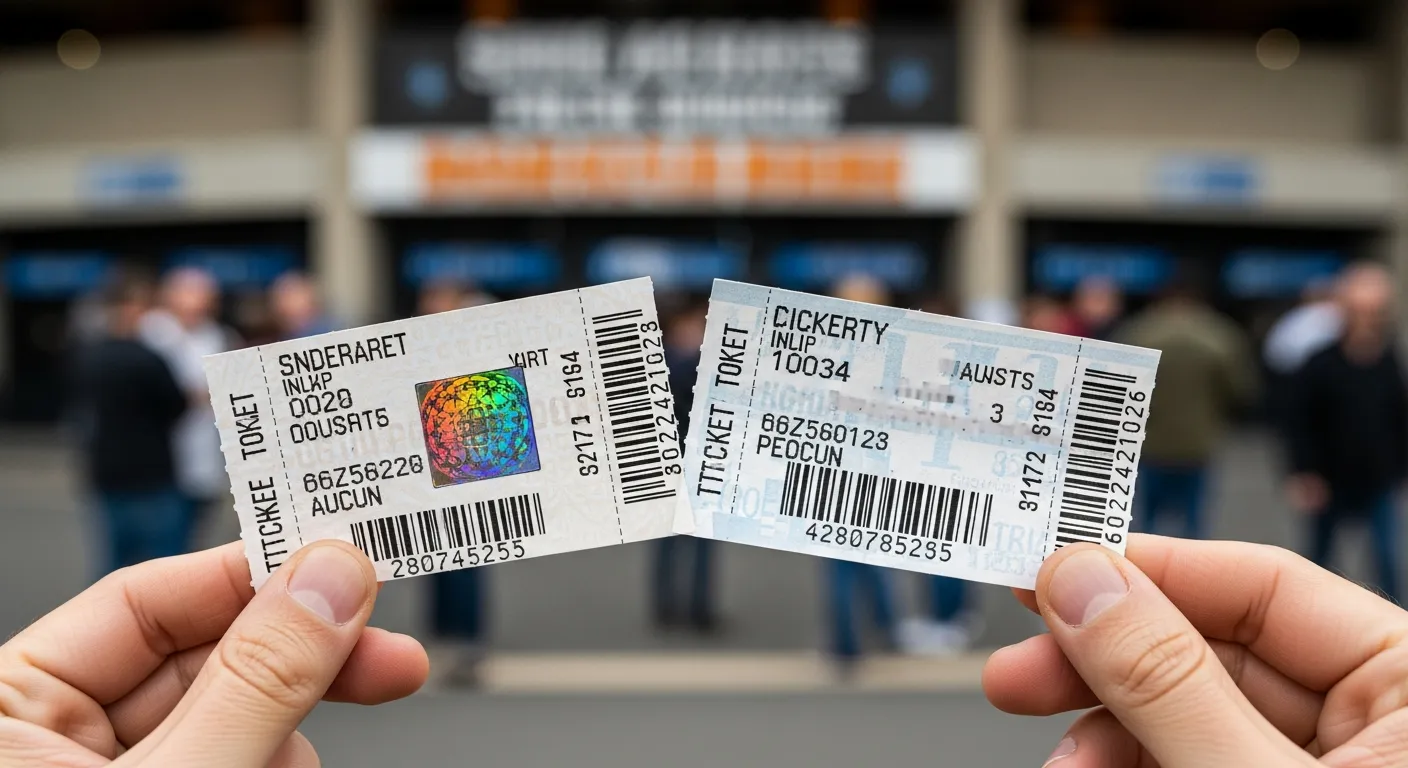
How to avoid fake tickets is an important guide that helps users identify and prevent ticket scams for events, travel, and online bookings. Fake tickets are often sold through unofficial websites, social media, or unauthorized resellers. To avoid fraud, users should always verify official sources, use trusted platforms, check ticket authenticity features (like QR codes or serial numbers), and avoid deals that seem too cheap or urgent. Staying alert and purchasing only from verified sellers ensures safe and secure ticket buying experiences.
Understanding the Landscape of Ticket Fraud
To effectively protect yourself, you first need to understand the threats operating within the secondary and primary ticketing markets. Scammers exploit high demand and fan desperation, using a variety of deceptive methods to steal funds. Building this awareness is an essential part of how to avoid fake tickets in today’s digital and offline marketplaces.
Common Scams and How They Operate
Fraudulent sellers use multiple channels to separate buyers from their money. One of the most prevalent methods involves phishing websites. These sites are designed to closely mimic legitimate booking platforms. They often use stolen logos, similar color schemes, and slightly misspelled domain names to trick users into entering their credit card information. Once payment is submitted, the site captures financial data, and the buyer receives nothing in return.
Social media platforms have also become major hotspots for ticket fraud. Scammers actively monitor event pages, fan groups, and hashtags. When someone posts that they missed the official sale, a fraudster may quickly send a direct message claiming to have “extra tickets.” Because social media lacks buyer protection systems, these transactions are extremely risky. Private sellers often demand payment through peer-to-peer apps and disappear immediately after receiving funds.
Another common issue involves scalpers who resell duplicate or fake digital tickets. In these cases, a scalper may obtain one valid ticket and then distribute copies of the same barcode to multiple buyers. Since only the first scan at the venue is accepted, all other buyers are denied entry. Recognizing this risk is critical when learning how to avoid fake tickets and identifying suspicious resale behavior.
Finally, although less common today, counterfeit physical tickets still exist. Fraudsters can produce high-quality printed tickets with fake holograms and watermarks. These are often sold outside venues on event day, targeting last-minute buyers who cannot verify authenticity before paying cash. These situations highlight the importance of always purchasing from verified sources and following safe buying practices.
The Impact of Fake Tickets
The consequences of falling for a ticket scam extend far beyond a simple inconvenience. The most immediate impact is the financial loss. With premium concert and sports tickets often costing hundreds or thousands of dollars, losing that investment can be a severe blow to a person’s budget. Because scammers use untraceable payment methods, recovering these stolen funds is frequently impossible.
The emotional distress caused by ticket fraud is equally damaging. Fans spend months planning travel, booking hotels, and looking forward to an experience. Arriving at the gates and being denied entry creates feelings of humiliation and profound disappointment. The missed experience—a final tour, a championship game, a rare theatrical performance—can never be replaced.
Ticket fraud also heavily damages event organizers and venues. When dozens of angry fans discover their tickets are fake, venue staff must handle the fallout. This causes massive bottlenecks at the gates, delays entry for legitimate ticket holders, and strains customer service resources. Ultimately, it damages the reputation of the artist, the team, and the ticketing ecosystem as a whole.
Key Strategies on How to Avoid Fake Tickets
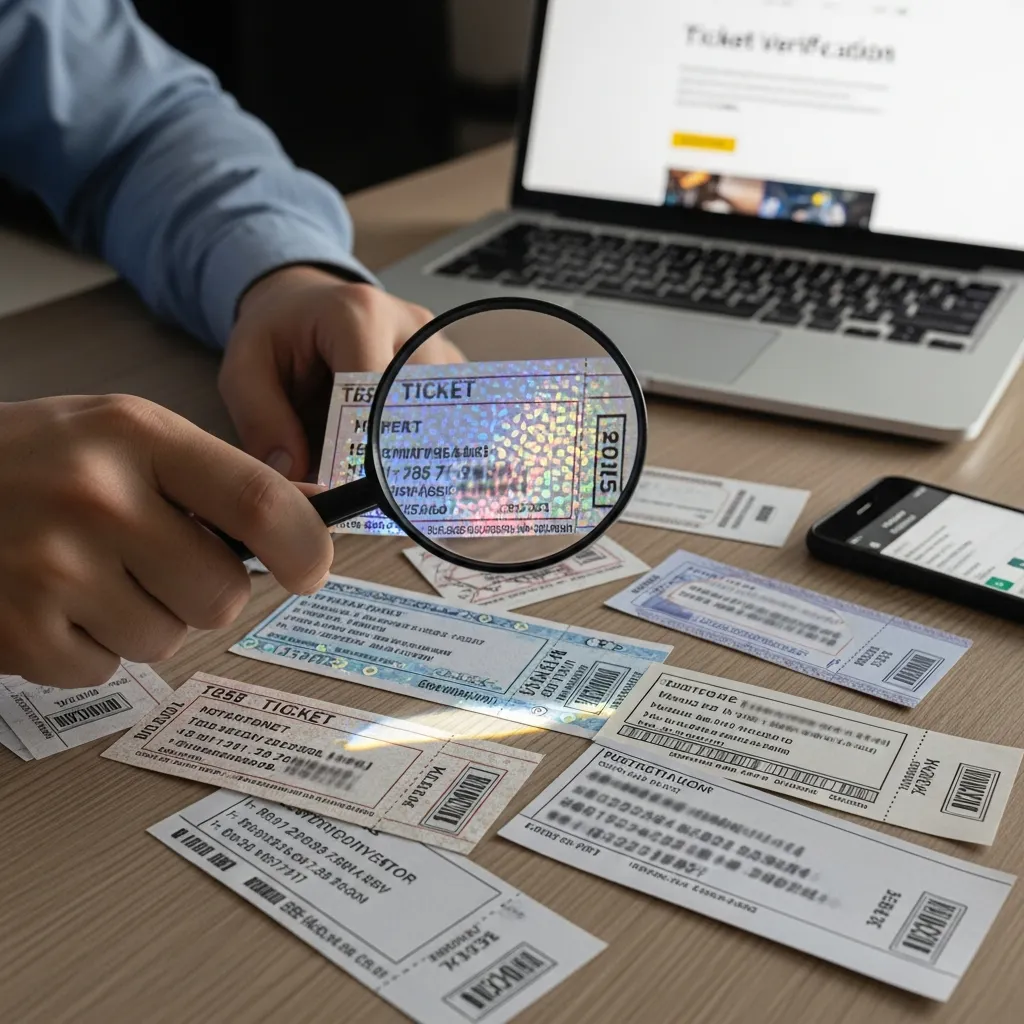 Protecting yourself from fraud requires a combination of common sense, technological awareness, and strict adherence to safe purchasing practices. Knowing how to avoid fake tickets means knowing exactly where and how to conduct your transactions safely.
Prioritize Reputable Sources
The most effective way to secure valid entry is to buy directly from official primary ticket vendors. Companies like Ticketmaster, Live Nation, and AXS have direct contracts with the venues and artists. When you purchase through these primary platforms, your ticket is guaranteed to be authentic, as it comes straight from the source.
If the event is sold out and you must rely on the secondary market, only use authorized resale marketplaces that offer comprehensive buyer protection. You can explore the best ticket booking websites to find platforms that strictly regulate their sellers. Reputable secondary sites hold the seller’s payment until after the event takes place, removing the financial incentive for fraud.
Always take the time to verify the legitimacy of the vendor you are using. If you encounter a platform you are unfamiliar with, do your homework. Look up reviews, check their refund policies, and ensure they have a reliable customer service infrastructure. Learning about a platform’s reputation—for instance, understanding is Ticketorbis legit—will give you the confidence needed to finalize a purchase safely.
Due Diligence When Buying from Secondary Markets
Even on authorized resale platforms, buyers must practice due diligence. Start by checking seller ratings and reviews if the platform provides them. Sellers with a long history of successful transactions are significantly less risky than brand-new accounts with zero feedback.
You must also understand the buyer guarantees and refund policies of the marketplace you are using. A trustworthy site will clearly state that they offer a full refund or comparable replacement tickets if the tickets you purchase turn out to be invalid. If a platform’s guarantee policy is vague, hard to find, or non-existent, you should take your business elsewhere.
Be highly suspicious of extremely low prices. If a ticket for a sold-out blockbuster event is listed at a fraction of its market value, it is almost certainly a scam. Fraudsters use artificially low prices to create a sense of urgency, hoping the buyer will rush through the transaction without asking questions.
Identifying Red Flags in Ticket Listings and Sellers
Learning how to avoid fake tickets involves recognizing the warning signs of a fraudulent listing. Be wary of listings that feature generic photos, blurry images, or a lack of specific seat information. Legitimate sellers will gladly provide the exact section, row, and seat number so you can verify the location on an official venue map.
Scammers frequently rely on pressure tactics and urgent sales messages. They will claim that they have “five other buyers waiting” or that they need the money “within the next ten minutes.” This manufactured urgency is designed to make you panic and skip your standard security checks.
Unconventional payment methods are the biggest red flag in the ticketing industry. If a seller requests payment via wire transfer, cryptocurrency, or prepaid gift cards, walk away immediately. These payment methods offer absolutely zero buyer protection. Furthermore, if a seller is unwilling to communicate clearly, refuses to provide proof of purchase, or dodges basic questions about the tickets, cut off contact.

If you accidentally fall for a scam, swift action is required. You must prioritize reporting the fraudulent activity to the appropriate authorities. You can file a formal complaint with consumer protection agencies to help law enforcement track down these networks. For residents in the United States, reporting the incident to the Federal Trade Commission (FTC) is a crucial step in combating online fraud.
Additionally, you should utilize external oversight organizations to report deceptive business practices. Filing a report through the Better Business Bureau (BBB) Scam Tracker helps warn other potential buyers about specific fraudulent sellers or fake websites. Immediately after reporting the fraud, contact your bank or credit card company to freeze your card and dispute the fraudulent charge.
Secure Your Seats with Confidence
The digital ticketing ecosystem is fast-paced, but taking the time to verify your purchases ensures you will never be left standing outside the venue gates. Understanding how to avoid fake tickets comes down to a few essential strategies: prioritizing official and vetted secondary marketplaces, using secure credit card transactions, and refusing to succumb to the high-pressure tactics of private sellers.
Vigilance and informed decision-making are your greatest assets. A healthy dose of skepticism regarding incredibly low prices and screenshot tickets will help you consistently apply how to avoid fake tickets in every purchase, protecting you from scams and ensuring a safe and reliable ticket-buying experience.
 The digital ticketing ecosystem is fast-paced, convenient, and widely used for concerts, sports events, travel, and entertainment. However, this convenience also comes with risks, especially from counterfeit listings and fraudulent sellers. Taking the time to verify your purchases is essential to ensure you never end up stranded outside a venue or losing money to scams. Understanding how to avoid fake tickets is the first step toward safe and stress-free event booking.