

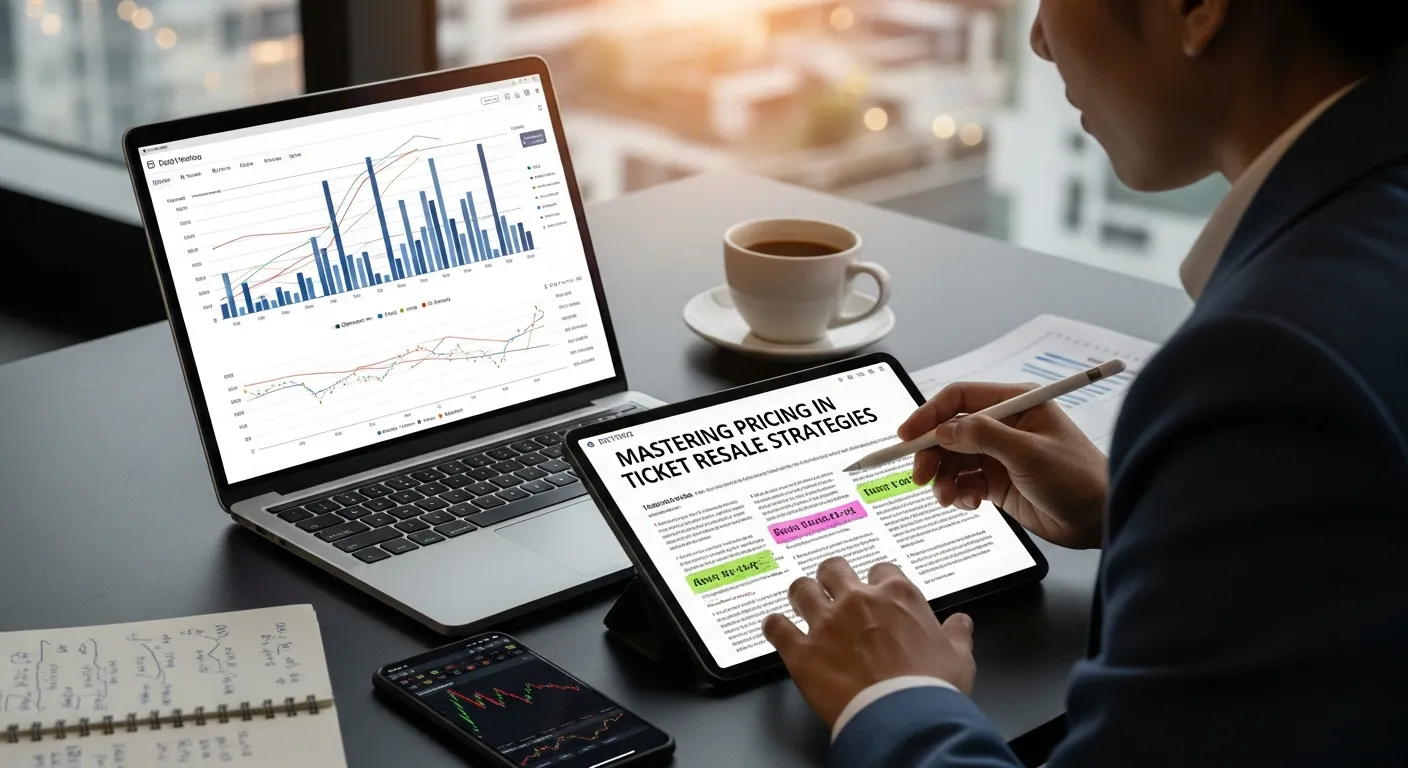
Pricing in Ticket Resale refers to how ticket prices are determined in secondary markets based on real-time supply and demand, event popularity, timing, and platform fees. Prices often fluctuate as sellers adjust rates to match buyer interest, making costs higher or lower than original face value. Understanding these factors helps buyers make smarter purchasing decisions and find better deals on live events.
 Pricing in ticket resale functions as a real-time reflection of supply and demand. Unlike the primary market, where event organizers set a fixed face value, the secondary market allows sellers to set their own rates. Sellers continuously monitor buyer activity and adjust their listings accordingly.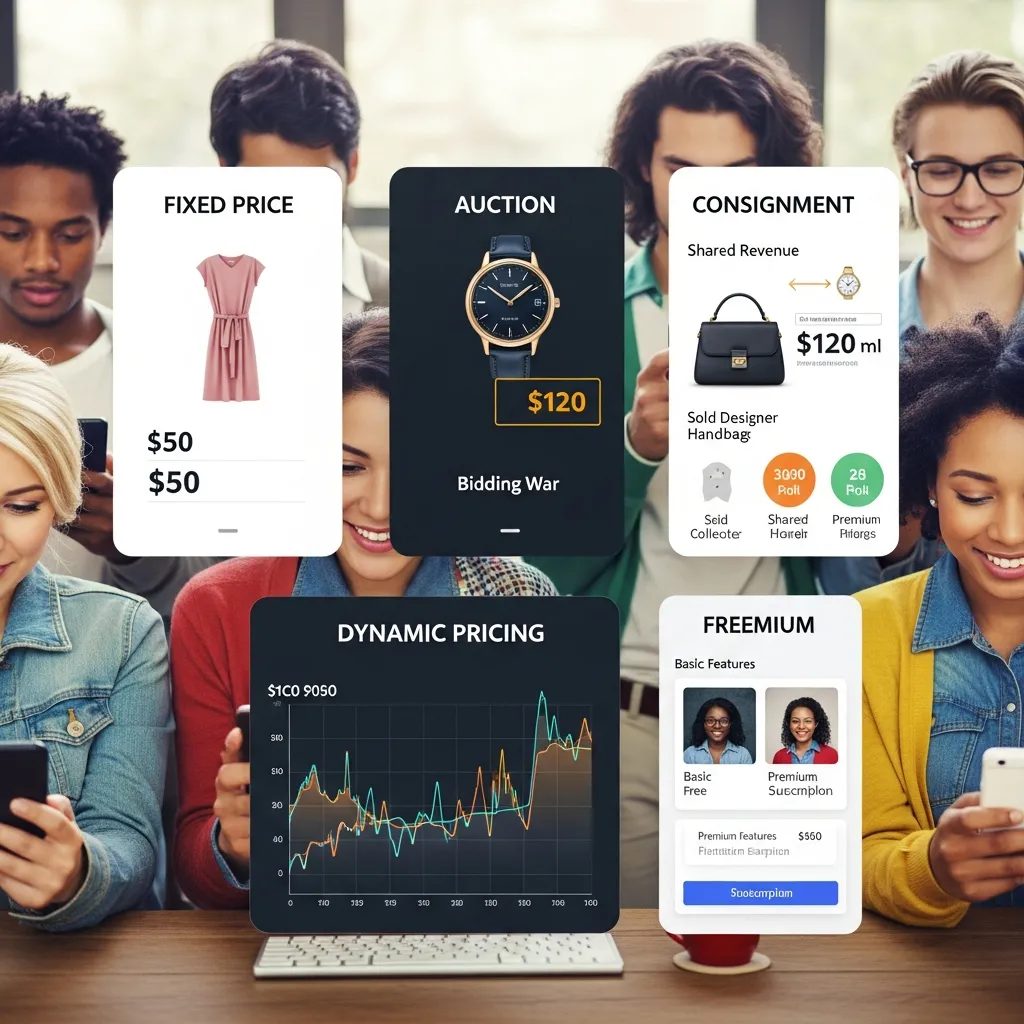
Most massive marketplaces operate on an open-market model. On platforms like StubHub or SeatGeek, sellers have complete freedom to set and change their listing prices. The platform itself does not dictate the base cost of the ticket; it simply facilitates the secure transfer of the digital barcode. To understand the foundational mechanics of these exchanges, readers should explore how ticket resale works to grasp the transition from primary purchase to secondary listing.
How do dynamic pricing and face-value exchanges compare?
Primary vendors increasingly use algorithms to adjust initial ticket prices based on real-time consumer demand. Familiarizing yourself with dynamic pricing event tickets helps clarify why a primary ticket might sometimes cost more than a secondary listing.
In contrast, ethical face-value exchanges cap resale prices. Platforms like Twickets enforce rules that prevent sellers from listing tickets for more than the original purchase price. Choose face-value exchanges if keeping costs low matters more than securing a specific front-row seat. Choose open-market platforms if securing an exact VIP experience matters more than the overall financial expenditure.
How can buyers find the best deals for live event tickets?
Finding affordable access to live entertainment requires patience and a strategic approach to purchasing. Buyers must resist the urge to buy tickets the exact moment an event sells out on the primary market. Instead, tracking pricing in ticket resale over several weeks provides a clearer picture of true market value.
Using aggregator tools can significantly streamline this research. Aggregators pull data from multiple secondary marketplaces, allowing users to compare base prices and seat locations side-by-side. Additionally, many modern apps feature deal-scoring algorithms that color-code listings to highlight the best values in a specific seating section.
When is the best time to purchase resale tickets?
The optimal purchasing window depends heavily on the specific event. For massive stadium tours with abundant inventory, the absolute best time to buy is often the day of the show. Resellers face a ticking clock; a ticket that remains unsold when the performance begins becomes completely worthless. Consequently, sellers slash prices in the final hours to recoup any portion of their initial investment.
For smaller, highly exclusive events, waiting until the last minute carries significant risk. If supply is severely limited, prices may actually increase as desperate fans compete for the final remaining seats. In these niche scenarios, purchasing several weeks in advance often yields the most stable pricing.
How do service fees impact the total cost of resale tickets?
A critical component of pricing in ticket resale is the addition of platform service fees. Secondary marketplaces require revenue to maintain secure payment gateways, develop mobile applications, and provide robust buyer protection guarantees. They generate this revenue by charging fees to both the buyer and the seller.
A ticket listed for one hundred dollars might ultimately cost the buyer one hundred and thirty dollars once taxes, processing fees, and delivery charges are applied. Buyers should always utilize platform settings that display the total price upfront. Hiding fees until the final checkout screen can easily disrupt an entertainment budget. Comparing the all-in costs across the best ticket resale platforms ensures you are genuinely receiving the best overall deal.
What are the legal restrictions on resale pricing?
The regulatory landscape surrounding event ticketing varies dramatically depending on your geographic location. Understanding local laws is essential for both buyers and sellers operating within the secondary ecosystem.
Some states and countries enforce strict caps on how much a ticket can be marked up above its original face value. Other regions view ticket brokering as a completely free market, allowing unrestricted pricing adjustments. To navigate this complex environment securely, fans should review comprehensive information regarding ticket resale legality in their specific area. Furthermore, the advises consumers to research their local consumer protection guidelines to ensure their purchases are legally protected.
Wrapping Up Your Resale Strategy
 Mastering pricing in ticket resale requires a blend of market awareness, strategic timing, and a clear understanding of platform fees. The secondary market provides vital access to sold-out events, allowing fans to experience their favorite artists and athletes live. By tracking supply trends and comparing costs across reputable platforms, buyers can consistently secure authentic tickets at fair market values.
A key part of building a strong resale strategy is also understanding consumer protection standards and how ticket marketplaces operate. Resources like the Federal Trade Commission’s guidance on ticket sales provide valuable insights into safe purchasing practices and help buyers avoid unfair pricing or misleading listings. Additionally, consumer review organizations such as the Better Business Bureau(BBB) offer transparency on platform trustworthiness, complaint history, and seller reliability, which is essential when choosing where to buy resale tickets.
Moving forward, consumers should continue to educate themselves on the evolving technologies shaping the ticketing industry. As digital transfers and blockchain validation become more prevalent, the security and transparency of resale transactions will only improve. These innovations are gradually reducing fraud risks and improving ticket authenticity verification across major platforms.
Applying these pricing strategies—along with verified information sources and trusted marketplaces—can help buyers make smarter decisions. With the right approach, navigating pricing in ticket resale becomes less about guesswork and more about informed, confident purchasing that maximizes both value and experience.
Frequently Asked Questions (FAQ)
1. What drives the fluctuation of pricing in ticket resale?
Pricing in ticket resale fluctuates due to the real-time balance of supply and demand. High demand and low ticket availability drive prices up, while abundant unsold inventory typically forces sellers to lower their asking prices as the event approaches.
2. When is the ideal time to buy secondary market tickets?
The ideal time to buy tickets for large stadium events is usually within 48 hours of the performance, as sellers drop prices to avoid taking a total loss. For small, highly exclusive events, purchasing several weeks in advance offers more price stability.
3. Are there hidden fees associated with ticket resale platforms?
Yes, most resale platforms charge service fees, processing fees, and delivery charges that are added to the seller’s base asking price. Buyers should use platform filters to display the estimated all-in cost before reaching the final checkout screen.
4. How can buyers verify the authenticity of resale tickets?
Buyers can verify authenticity by exclusively using reputable resale platforms that offer comprehensive money-back guarantees. These platforms utilize secure digital transfers and barcode validation to ensure the ticket grants actual entry to the venue.
5. Do primary ticket vendors influence resale market prices?
Primary vendors influence resale prices by setting the initial face value and increasingly utilizing algorithms that adjust original ticket costs based on real-time consumer demand. This dynamic adjustment often establishes a higher baseline cost for the secondary market.
6. Why do ticket prices increase closer to popular events?
Ticket prices often rise closer to highly popular events due to last-minute demand surges and limited remaining inventory, especially for high-profile concerts or sports matches.
7. Can ticket resale prices go below face value?
Yes, in some cases resale prices drop below face value when sellers are unable to find buyers and want to avoid losing the entire ticket value.
8. Are all resale platforms equally reliable?
No, reliability varies. Established platforms with buyer protection policies are generally safer than unknown or unverified resale websites.
9. Do seat locations affect resale pricing?
Yes, better seat locations such as front-row or VIP sections usually have significantly higher resale prices due to higher demand and limited availability.
10. How does event type affect resale pricing?
Concerts, major sports finals, and exclusive shows usually have higher resale prices compared to smaller or local events because demand is much greater.
