

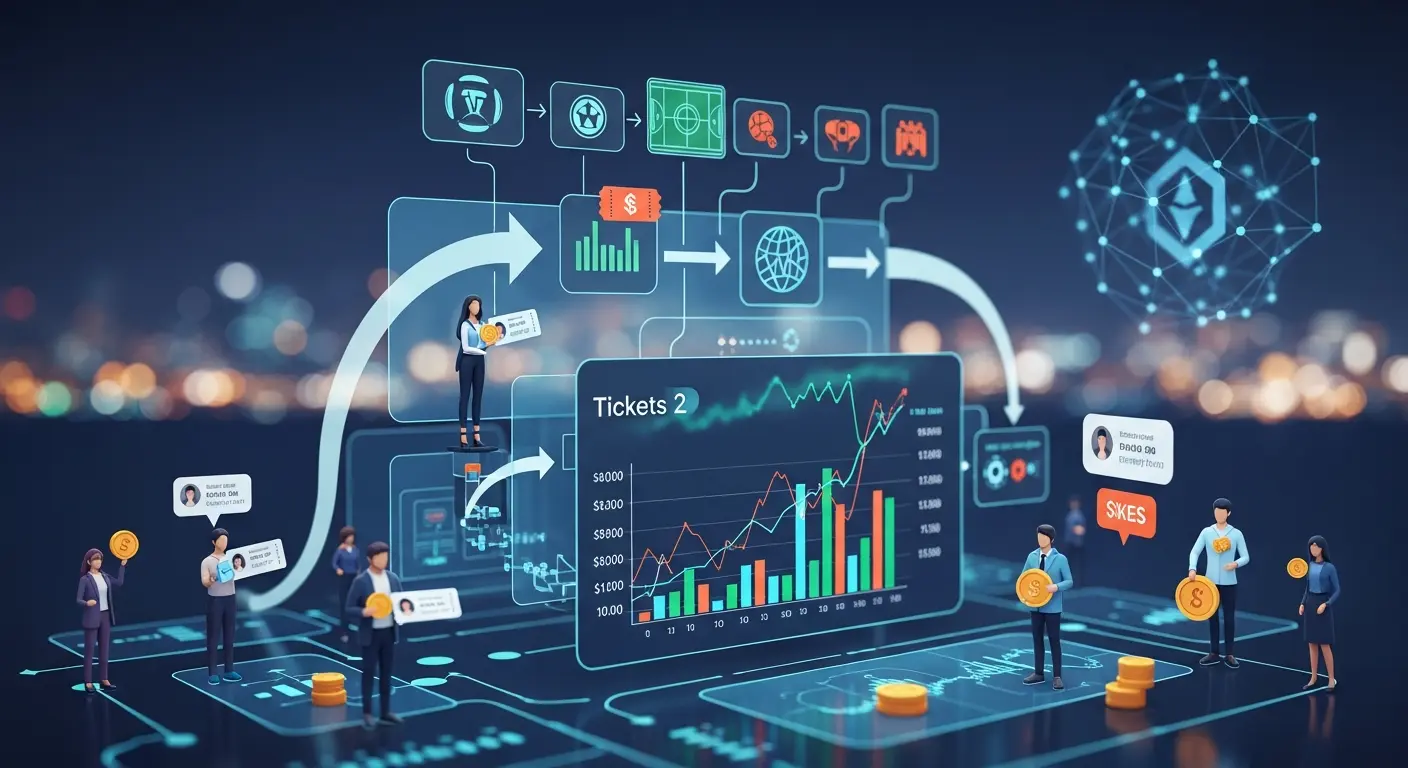
Learn how ticket marketplaces work, from primary ticket sales to secondary resale markets. Understand pricing strategies, fees, demand trends, and fraud prevention tips to safely buy and sell tickets while navigating the live event ticketing ecosystem with confidence.
Types of Ticket Marketplaces
To fully understand how ticket marketplaces work, it is important to know that the ticketing ecosystem is divided into several categories. Each type of marketplace serves a different purpose for event organizers, venues, ticket sellers, and fans. Some platforms specialize in first-time ticket sales, while others focus on resale opportunities or combine both systems into one user-friendly marketplace.
Modern ticket platforms are designed to make discovering, buying, reselling, and transferring tickets easier than ever. Whether someone is purchasing seats for a concert, sports game, theater show, or festival, understanding these marketplace types helps users make smarter decisions and better understand how ticket marketplaces work in practice.
Primary Ticket Marketplaces
Primary ticket marketplaces are the official first point of sale for tickets. These platforms work directly with event organizers, venues, sports teams, theaters, and promoters to distribute tickets to the public once an event is announced.
Well-known examples include Ticketmaster, AXS, and other regional ticketing providers. When a major artist announces a tour or a sports team opens ticket sales, these primary marketplaces are usually where tickets first become available.
How Primary Ticket Marketplaces Work
Before tickets go on sale, organizers negotiate contracts with ticketing companies. The platform then builds the digital sales infrastructure needed to manage demand. This is a key part of how ticket marketplaces work and includes:
- Seating charts and venue maps
- Ticket inventory management
- Presale codes and fan club access
- Payment systems
- Fraud prevention tools
- Mobile ticket delivery
- Customer support systems
- For highly anticipated events, millions of users may attempt to purchase tickets at once. To handle this traffic, primary platforms often use waiting rooms, queue systems, and anti-bot protection.
Face Value Pricing
Tickets sold on the primary market are generally listed at face value, which is the official price set by organizers. However, the final checkout cost may include:
- Service fees
- Facility charges
- Order processing fees
- Delivery fees
- Taxes
- Many buyers focus only on face value, but understanding the full pricing structure is a key part of learning how ticket marketplaces work.
Benefits of Primary Platforms
Primary ticket marketplaces usually offer:
- Guaranteed valid tickets
- Official inventory access
- Presale opportunities
- Interactive seating maps
- Secure mobile ticket delivery
- Direct customer service
For buyers who want official tickets at original pricing, the primary market is usually the safest option.
Secondary Ticket Marketplaces
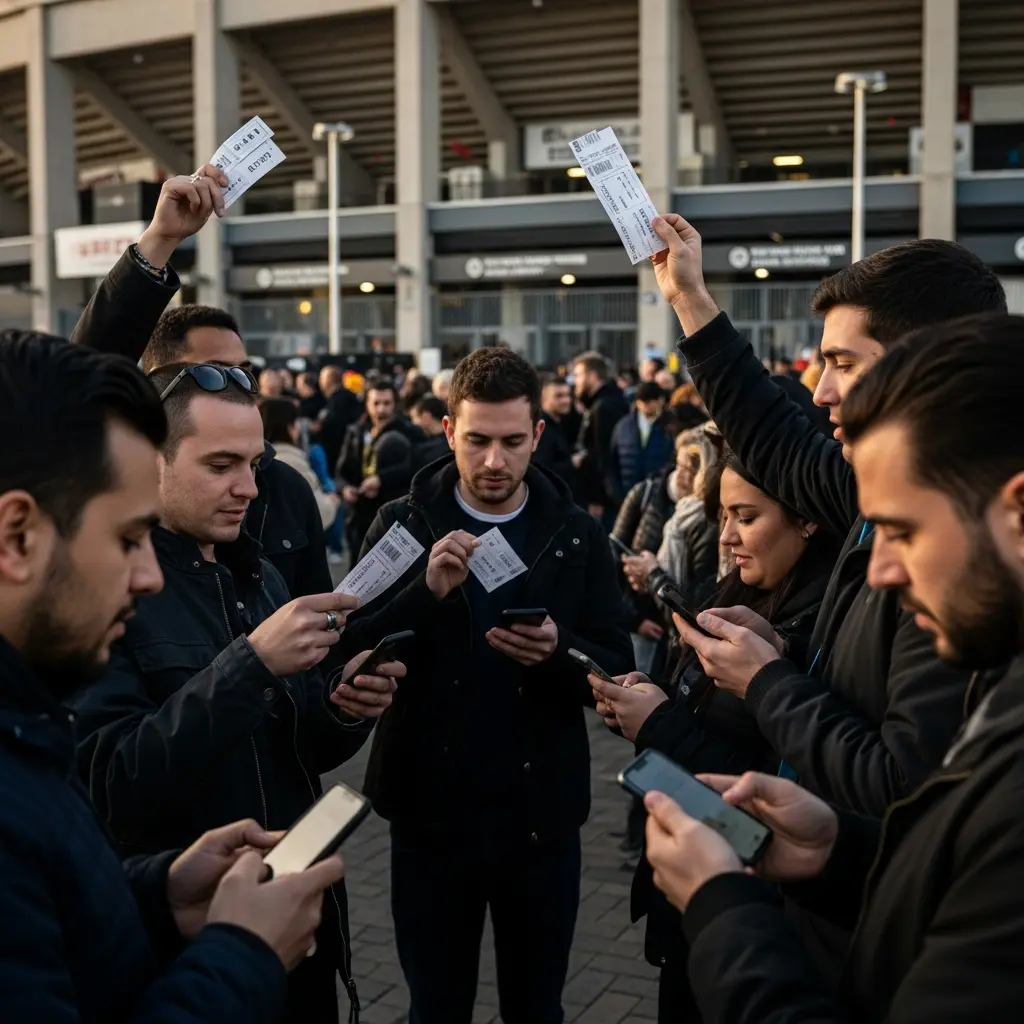 Secondary marketplaces, often called resale platforms, allow people who already purchased tickets to sell them to other buyers. These sites create a secure marketplace where unused tickets can be transferred rather than wasted.
Popular examples include StubHub, SeatGeek, and Vivid Seats.
How Secondary Ticket Marketplaces Work
Unlike primary platforms, secondary marketplaces do not sell the original event inventory. Instead, they connect buyers with individual sellers, ticket brokers, or fans who can no longer attend.
Sellers create listings by entering:
- Event name
- Seat section and row
- Number of tickets
- Asking price
- Delivery method
When a ticket sells, the platform processes payment and manages ticket transfer.
Market-Driven Pricing
Prices in the secondary market are determined by supply and demand.
If demand is high for a sold-out concert or playoff game, sellers may charge much more than face value. If demand is weak or the event date is near, prices may fall below face value as sellers try to recover costs.
This dynamic pricing model is one of the clearest examples of how ticket marketplaces work in real time.
Security Features
Trusted resale marketplaces often provide:
- Buyer guarantees
- Verified ticket transfers
- Secure payments
- Fraud protection
- Seller payout delays until event completion
These systems help reduce counterfeit listings and protect both parties.
Hybrid Ticket Marketplaces
The line between primary and secondary ticketing is becoming less clear. Many modern platforms now combine both official and resale inventory within one system.
A buyer may open a seating map and see:
- Official face-value tickets
- Verified resale tickets
- VIP upgrades
- Premium packages
This hybrid model gives users more options and allows easy price comparisons.
Why Hybrid Models Are Growing
Hybrid marketplaces are becoming popular because they offer convenience. Instead of visiting multiple websites, buyers can compare all available ticket options in one place.
For organizers, hybrid systems also help keep resale activity within their own platform, allowing better control over customer experience and security.
Emerging Ticketing Platforms
Newer ticket marketplaces are experimenting with fresh business models designed to challenge traditional systems.
These include:
- Subscription-based ticket access
- Membership-only presales
- Fan loyalty rewards
- Blockchain ticket ownership
- Artist-controlled resale pricing
- Community marketplaces for niche events
These innovations show how ticket marketplaces work is constantly evolving through technology and changing customer expectations.
Why Understanding Ticket Marketplace Types Matters
Knowing the difference between primary, secondary, and hybrid platforms helps buyers choose the best option for price, availability, and security.
Someone looking for official face-value tickets may prefer primary marketplaces. A fan searching for sold-out event seats may need secondary marketplaces. Buyers wanting convenience may choose hybrid platforms.
The Mechanics of Ticket Marketplaces
To fully understand how ticket marketplaces operate, it is important to examine the processes happening behind the scenes for buyers, primary sellers, and secondary sellers. Modern ticketing platforms use advanced technology, secure payment systems, and real-time data to connect fans with live events efficiently.
The Experience for Buyers
The buyer journey usually starts with searching for events. Users can browse concerts, sports games, theater shows, festivals, and local attractions. Many marketplaces use recommendation algorithms to suggest events based on location, browsing history, favorite artists, previous purchases, and seasonal trends. This personalized discovery process helps users find relevant events quickly.
Once an event is selected, buyers must review seating options and ticket categories. Choices may include general admission, reserved seating, premium sections, VIP packages, early-entry passes, hospitality bundles, or verified resale tickets. Interactive seat maps often allow users to compare views, prices, and section locations before making a purchase.
Pricing is one of the most important parts of the buying experience. Buyers typically see the base ticket price along with additional charges such as service fees, payment processing fees, taxes, and delivery costs. Some platforms now provide all-in pricing to make costs clearer before checkout. Prices may also change in real time depending on demand, availability, and event popularity.
After checkout, secure payment processing protects customer information. Most leading platforms accept credit cards, digital wallets, and local payment methods. Once payment is confirmed, the ticket is delivered digitally. Mobile ticketing has become the standard, where a scannable barcode or rotating QR code is sent directly to the buyer’s smartphone app or email.
Security features are essential. Rotating barcodes, encrypted ticket transfers, identity verification, and account-based access help reduce fraud. Many marketplaces also provide buyer guarantees, promising refunds if an event is canceled, postponed under certain conditions, or if a resale ticket is invalid at entry.
For Sellers on the Primary Market
Primary sellers include promoters, venues, sports clubs, theaters, and event organizers who release tickets for the first time. They use ticketing management software to create events, assign seating charts, set ticket prices, and control inventory.
These sellers often reserve certain seats for sponsors, VIP guests, artist families, presales, fan clubs, or media partners. They may release tickets in phases to manage demand and reduce system overload during popular onsales.
Primary ticketing systems integrate directly with venue access control technology. When a fan scans a mobile ticket at the entrance, the scanner checks the barcode instantly against the marketplace database to confirm authenticity and prevent duplicate use.
Data analytics are extremely valuable for primary sellers. Platforms track page visits, waitlist numbers, conversion rates, search activity, and ticket sales speed. This information helps organizers decide whether to add another show, launch promotions, adjust pricing tiers, or increase advertising.
Dynamic pricing is also increasingly common. For high-demand events, prices can rise as demand increases, similar to airline or hotel pricing models. For slower-selling events, discounts or promotional offers may be introduced.
For Sellers on the Secondary Market
Secondary sellers include fans who can no longer attend an event, ticket brokers, and professional resellers. These users list their tickets on resale marketplaces where other buyers can purchase them.
To create a listing, sellers enter seat details, ticket type, quantity, and asking price. Many platforms provide smart pricing tools that analyze recent sales, current demand, seat location, and remaining inventory to recommend competitive pricing.
When a ticket sells, the platform handles payment collection and often charges a seller commission or service fee. Some marketplaces also charge buyers an additional resale fee.
Fraud prevention is especially important in the resale market. Reputable platforms verify ticket ownership, require secure account transfers, and may delay seller payouts until after the event takes place. This discourages fake listings, duplicate tickets, or unauthorized sales.
Digital ticket transfer systems have improved the resale process significantly. Instead of emailing screenshots or PDFs, many platforms transfer ownership directly within the official ticketing app, making the transaction safer and easier for both sides.
The Role of Technology in Ticket Marketplaces
Behind every successful marketplace is a large technology infrastructure. These systems must handle sudden traffic spikes when major events go on sale. Virtual waiting rooms, queue systems, cloud hosting, and bot detection tools help maintain fairness and website stability.
Artificial intelligence is increasingly used to detect suspicious buying patterns, fake accounts, and automated bots attempting to purchase large numbers of tickets. Machine learning can also improve recommendations and pricing models.
Why Understanding the Mechanics Matters
Knowing how ticket marketplaces function helps buyers make smarter purchasing decisions and helps sellers maximize value. Buyers can better compare fees, choose trusted platforms, and avoid scams. Sellers can use timing, pricing tools, and secure transfer systems to increase successful sales.
As live entertainment continues to grow, ticket marketplaces will remain central to connecting fans with unforgettable experiences through safer, faster, and smarter digital systems.
Key Players and Business Models
The global ticketing industry is led by several large corporations, supported by regional providers and niche marketplaces that serve specialized audiences. Together, these companies create the infrastructure that allows millions of people to discover, buy, sell, and manage tickets for live events every year.
Major Players in the Primary Market
Primary ticketing companies handle the first sale of tickets directly from event organizers, venues, sports teams, and promoters. These platforms manage ticket launches, seating maps, payment processing, and customer support.
Large-scale providers such as Ticketmaster dominate major stadium tours, arena concerts, festivals, and sports events because they offer extensive technology systems capable of handling massive traffic during popular onsales. Their platforms also integrate with venue scanning systems, customer databases, and marketing tools.
Other companies operate in regional or specialized markets, serving theaters, independent venues, universities, museums, and smaller promoters. These providers often compete by offering lower fees, better customer service, or more flexible software solutions.
Major Players in the Secondary Market
Secondary marketplaces focus on ticket resale after the original purchase. They allow fans who can no longer attend to sell tickets to new buyers. Some sellers are casual fans, while others are professional resellers or brokers.
Well-known resale platforms such as StubHub process a large share of global resale volume. These companies attract buyers by offering broad inventory, secure payments, buyer guarantees, and fast ticket transfers.
The resale market has grown rapidly because digital ticket transfers make it easier and safer to exchange tickets without meeting in person or mailing physical tickets.
Niche and Specialized Platforms
Not every marketplace tries to serve every type of event. Many smaller platforms focus on specific communities or genres.
For example, Resident Advisor is highly recognized in electronic music, club culture, and underground nightlife events. Other niche platforms may specialize in comedy shows, college sports, local theater, fan conventions, or regional festivals.
These focused businesses often succeed by deeply understanding their audience, offering tailored recommendations, and maintaining strong relationships with event organizers in their niche.
How Ticketing Companies Make Money
Ticket marketplaces rely on multiple revenue streams to remain profitable.
Service and Transaction Fees
The most common source of income comes from service charges added during checkout. Buyers may pay booking fees, convenience fees, processing fees, or delivery fees. Sellers on resale platforms may also pay commissions when their tickets sell.
For many platforms, fees generate more revenue than the face value ticket itself.
Promoter and Venue Services
Primary ticketing companies often sell software and operational tools to venues and promoters. These may include box office systems, access control scanners, CRM platforms, marketing automation, and analytics dashboards.
Advertising and Sponsored Placement
Promoters may pay for premium placement on marketplace homepages, search results, email newsletters, or mobile app recommendations. This helps events gain visibility and sell faster.
Data and Audience Insights
Ticketing platforms collect valuable consumer behavior data, such as purchase history, location trends, favorite artists, spending patterns, and browsing habits. This information can be used to improve recommendations, optimize marketing campaigns, and help brands reach specific audiences.
Premium Experiences
Some platforms also earn from VIP packages, hospitality bundles, lounge access, fast-entry upgrades, parking passes, merchandise add-ons, and travel packages.
The Impact of Technology on Ticketing
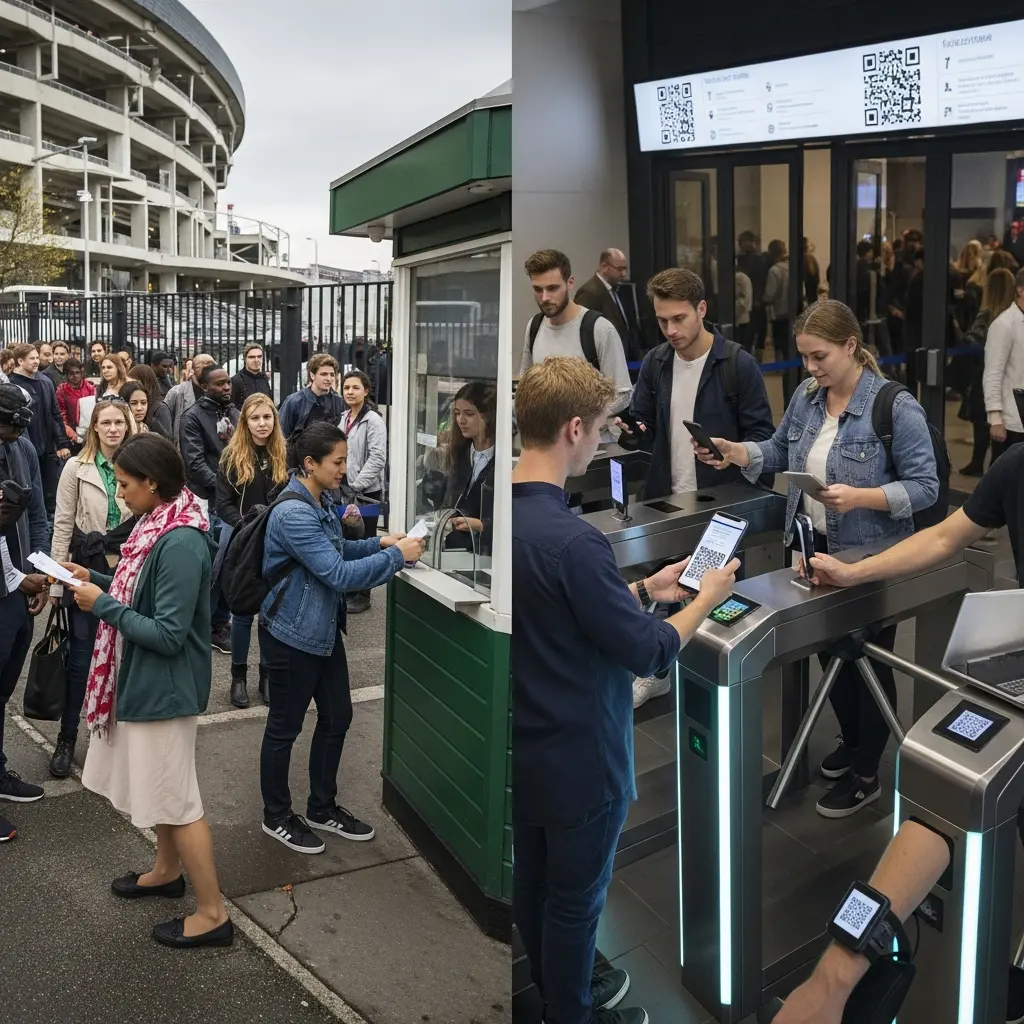 Technology has transformed ticketing from a simple sales function into a sophisticated digital ecosystem. It affects pricing, security, fan discovery, fraud prevention, and event access.
Mobile Ticketing and Digital Wallets
Printed paper tickets have largely disappeared from many markets. Mobile ticketing now allows customers to receive passes instantly through apps, email, or SMS.
Fans can store tickets in digital wallets such as Apple Wallet or Google Pay, making access easier on event day. This offers several advantages:
- Faster entry lines
- Reduced printing and shipping costs
- Easier last-minute delivery
- Lower risk of lost tickets
- Better fraud protection through dynamic codes
Many venues now prefer mobile-only entry because it improves speed and security.
Blockchain and Security
Blockchain technology is gradually entering the ticketing industry as a way to improve transparency and reduce scalping.
Tickets issued on blockchain systems can provide a traceable ownership history from the organizer to each buyer and reseller. This helps confirm authenticity and reduce counterfeit sales.
Smart contracts may also allow organizers to control resale conditions, such as:
- Maximum resale price caps
- Artist royalties on resale transactions
- Transfer restrictions
- Verified ownership records
- Automatic fraud prevention rules
While still emerging, blockchain ticketing may become more common in premium events and high-demand markets.
AI and Machine Learning
Artificial intelligence is reshaping how fans discover and buy tickets.
Recommendation systems can analyze user interests, favorite genres, purchase behavior, and location to suggest relevant concerts, games, and festivals. This helps platforms increase engagement and sales.
Machine learning also powers dynamic pricing. Similar to airlines and hotels, ticket prices may rise or fall based on:
- Real-time demand
- Search traffic
- Remaining inventory
- Historical sales trends
- Event popularity
- Time remaining before the event
AI is also used for fraud detection, identifying bots, fake accounts, suspicious payment activity, and abnormal purchasing patterns.
Virtual Queues and Traffic Management
When major events go on sale, millions of fans may attempt to buy at once. Technology such as virtual waiting rooms and queue systems helps manage demand fairly while preventing websites from crashing.
These tools assign users a place in line, limit duplicate sessions, and improve checkout stability.
Better Experiences for Fans and Organizers
Technology benefits both sides of the marketplace.
For fans:
- Easier discovery
- Faster checkout
- Safer transactions
- Mobile access
- Personalized offers
For organizers:
- Better analytics
- Stronger security
- Higher conversion rates
- More efficient operations
- Smarter pricing strategies
The Future of Ticketing Technology
As innovation continues, ticket marketplaces will likely become even more personalized, secure, and automated. Biometric entry, identity-linked tickets, smarter resale controls, and AI-powered fan experiences may define the next generation of live event access.
Challenges and Controversies
Despite technological advancements, the ticketing industry faces significant criticism and ongoing challenges.
Scalping and Bots
The use of automated software, known as bots, remains a massive issue. Scalpers deploy bots to purchase hundreds of tickets in the first few seconds of an on-sale event. This creates an artificial scarcity, forcing desperate fans to buy those exact tickets on secondary platforms at heavily inflated prices.
Hidden Costs and Fees
High service fees are a constant source of frustration for consumers. A ticket advertised at fifty dollars can easily cost over seventy dollars after processing and facility fees are added at the final checkout screen. Consumer advocacy groups are pushing for “all-in pricing” legislation, which would require platforms to display the total cost of a ticket upfront.
Authenticity Concerns
While platforms have improved security, fraudulent tickets still circulate, particularly on unregulated social media platforms. Scammers often sell screenshots of digital tickets to multiple people, leaving only the first person to arrive at the venue with valid entry.
The Future of Ticket Marketplaces
The ticketing landscape will continue to evolve in response to consumer demands and regulatory pressures. As how ticket marketplaces work becomes more advanced, we can expect an increased focus on the overall fan experience, with platforms offering integrated travel, merchandise, and VIP upgrades directly within the ticketing app.
Advanced security features, likely driven by blockchain, will eventually make counterfeit tickets virtually impossible to produce. We will also see a rise in direct-to-fan sales, where artists bypass major ticketing conglomerates entirely, selling passes directly through their own websites or fan club applications to maintain control over pricing and inventory.
Navigating Your Next Live Event
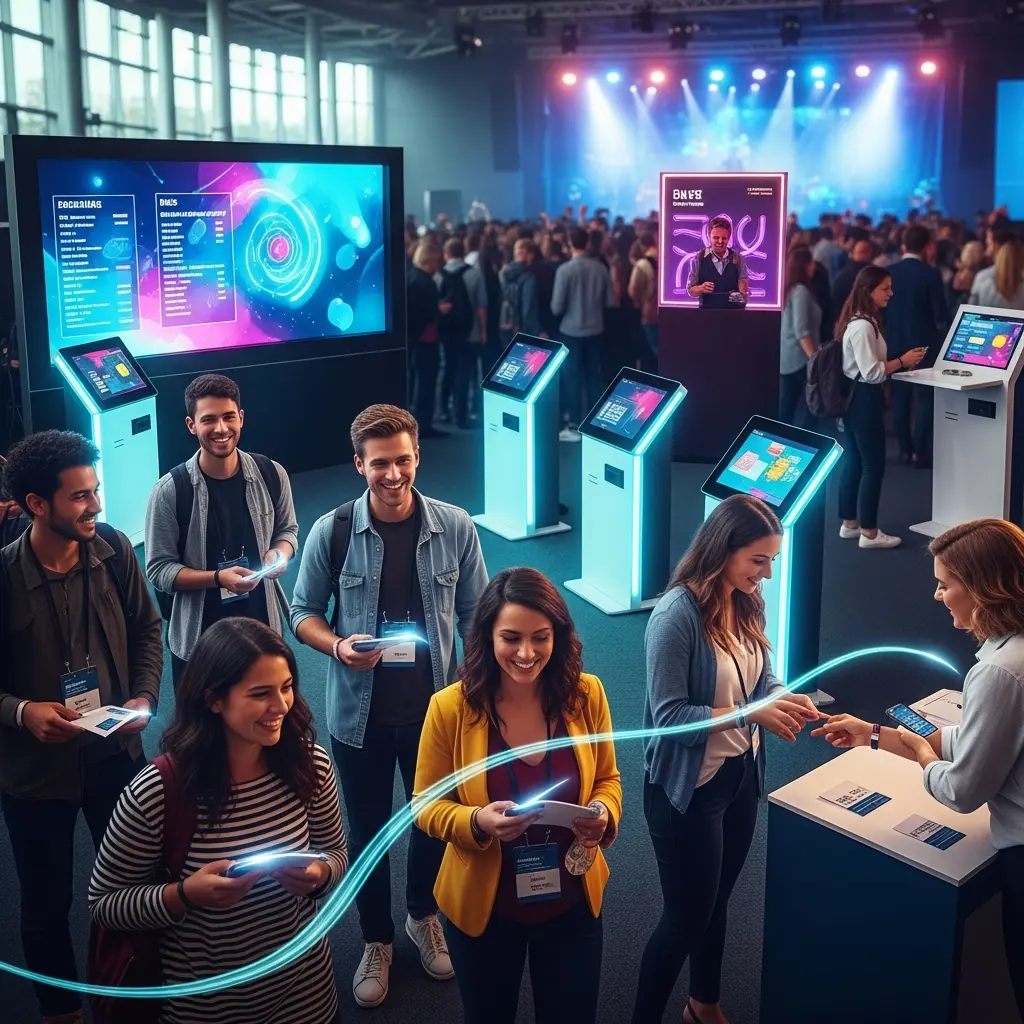 Understanding how ticket marketplaces work empowers you to make smarter purchasing decisions. The ecosystem relies on a delicate balance between primary distributors, secondary platforms, and the technologies that connect them.
To ensure a safe and cost-effective experience, always attempt to buy tickets directly from the primary marketplace first. If you must use a secondary platform, stick to reputable companies that offer a money-back guarantee, and avoid purchasing tickets through unverified social media accounts. By staying informed about the mechanisms of ticket sales, you can focus less on the stress of checkout and more on the excitement of the live event.
FAQ
1. What is a ticket marketplace?
A ticket marketplace is an online platform where users can buy and sell tickets for concerts, sports, theater, and other live events. It may include both original ticket sales and resale listings, helping people understand how ticket marketplaces work.
2. What is the difference between primary and secondary ticket sales?
Primary sales are the first sale of tickets directly from organizers or venues. Secondary sales happen when buyers resell previously purchased tickets to others through resale platforms.
3. Why do ticket prices change frequently?
Prices can change because of demand, availability, popularity, seat location, and dynamic pricing systems used by many platforms in the live ticketing market.
4. Are resale tickets safe to buy?
Resale tickets can be safe when purchased from trusted marketplaces that offer guarantees, secure payments, and verified transfers for buyers.
5. Why are service fees added to tickets?
Service fees help cover platform operations, payment processing, customer support, security systems, and ticket delivery services on ticket marketplaces.
6. What is mobile ticketing?
Mobile ticketing allows users to receive digital tickets on their smartphone through apps, email, or digital wallets for event entry.
7. How does AI help ticket marketplaces?
AI helps recommend events, detect fraud, manage pricing, improve search results, and personalize the customer experience on ticket platforms.
8. Can sellers make money from resale tickets?
Yes, sellers may earn money if demand increases, but resale profits depend on market value, fees, and ticket availability.
9. How does blockchain help ticketing?
Blockchain can improve ticket security, verify ownership history, reduce counterfeits, and help control unfair resale practices in digital ticketing.
10. What is the future of ticket marketplaces?
The future may include biometric entry, smarter pricing, safer resale systems, personalized offers, and faster mobile access for live event fans.
Conclusion
Ticket marketplaces have transformed how people access live events by combining convenience, technology, and global reach. Understanding primary sales, resale systems, pricing models, and fraud prevention helps buyers and sellers make smarter decisions. Learning how ticket marketplaces work also makes buying and selling tickets safer, easier, and more efficient.
