

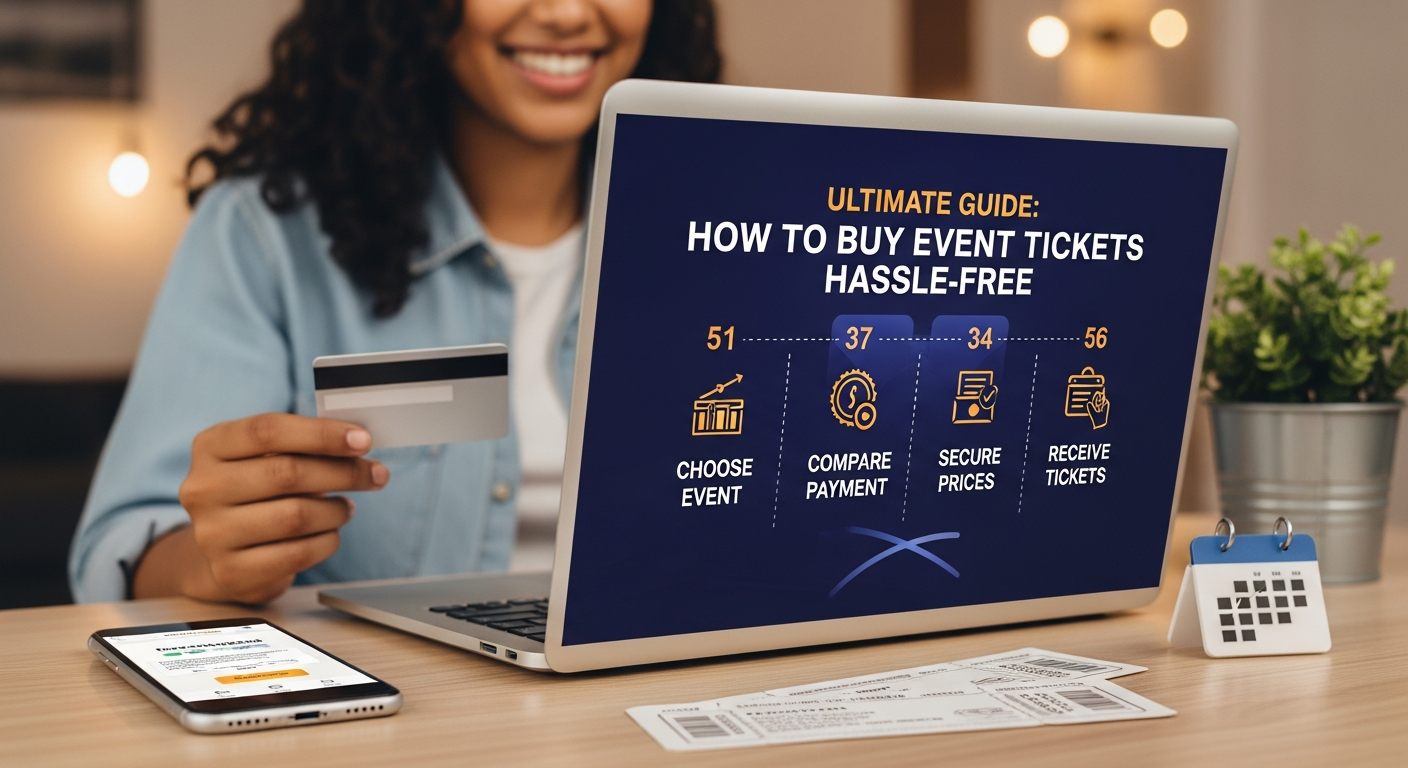
Buying event tickets online requires awareness of pricing, presales, and resale options. Using trusted platforms, comparing deals, and understanding fees helps avoid risks and scams, ensuring a safe, affordable, and convenient ticket purchasing experience for users.
Planning Your Buy Event Tickets Online Purchase Timeline
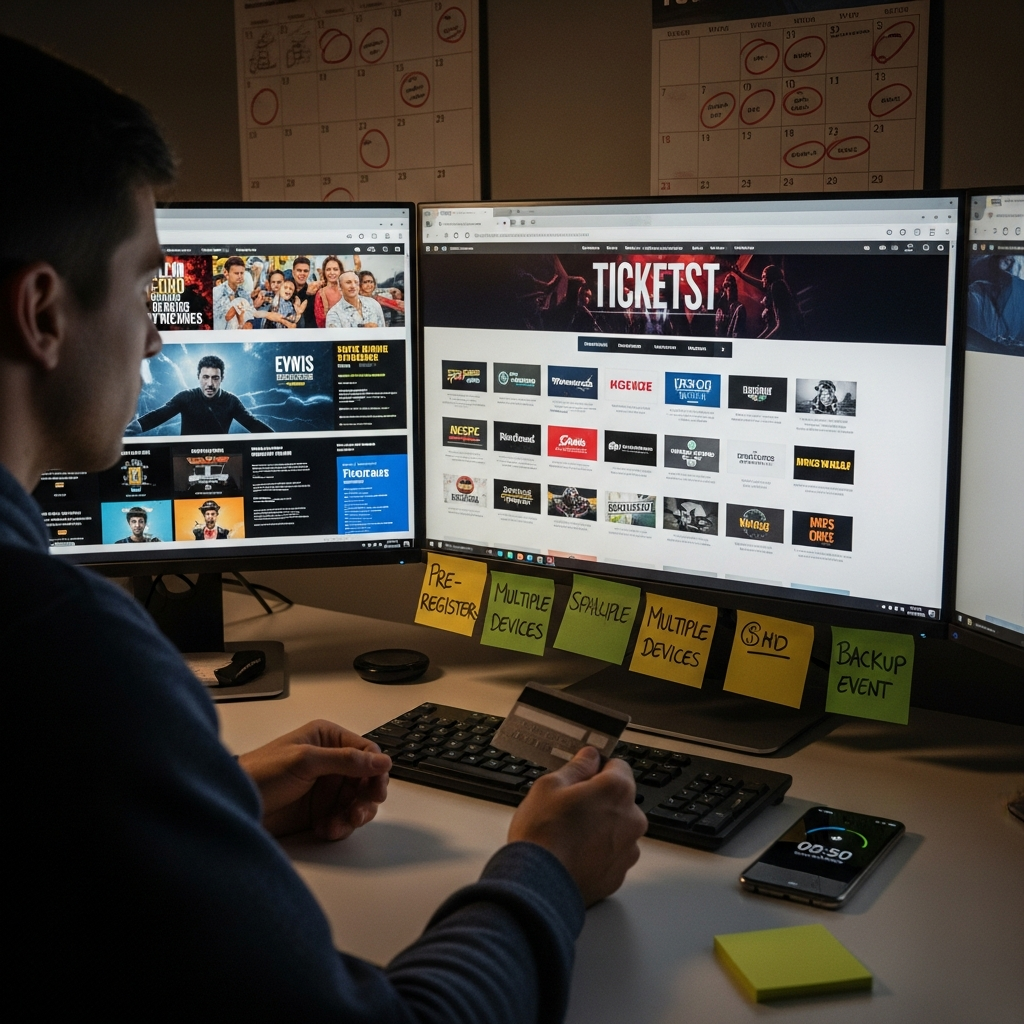
One of the most important factors when you buy event tickets online is timing. Ticket availability, pricing, and seat selection can change within seconds, especially for high-demand events. A well-planned timeline helps you stay ahead, secure better seats, and avoid paying inflated prices on resale platforms.
Key Stages of Ticket Purchase Timeline
1. Early Research Phase
Before tickets go live, start researching the event, venue, and expected demand. Look at past events to understand pricing patterns and how quickly tickets sold out. Identify official ticket platforms and create accounts in advance. This stage builds the foundation for a successful purchase strategy.
2. Presale Preparation
Presales offer one of the best opportunities to buy event tickets online at standard prices before the general public. Register for fan clubs, newsletters, or credit card offers that provide early access. Collect and organize presale codes заранее so you can use them instantly when the sale begins.
3. General Sale Day
This is the most competitive stage. Log in to ticket platforms at least 10–15 minutes before the sale starts. Use a fast and stable internet connection, and keep your payment details ready. Avoid refreshing too frequently, as it may slow down your access. Acting quickly during this stage is key to securing the best event tickets.
4. Post-Sale and Resale Monitoring
If tickets sell out, don’t panic. Verified resale platforms often list tickets shortly after the main sale. Prices may be higher initially but can drop closer to the event date. Monitoring regularly increases your chances of finding better deals on event tickets.
Ticket Purchase Timeline Overview
| Stage | Action | Goal |
|---|---|---|
| Early Research | Check event details and platforms | Prepare strategy |
| Presale Access | Register and use codes | Get early tickets |
| General Sale | Buy immediately at release | Secure best seats |
| Resale Market | Monitor secondary platforms | Find sold-out tickets |
Additional Timing Tips for Better Results
- Set calendar reminders for all ticket release dates
- Log in to multiple devices for faster access
- Keep backup payment methods ready
- Avoid last-minute delays during checkout
- Stay updated through official event announcements
Common Mistakes to Avoid
- Waiting too long before attempting purchase
- Ignoring presale opportunities
- Not preparing login or payment details
- Relying on a single ticket platform
- Overpaying immediately on resale sites without comparison
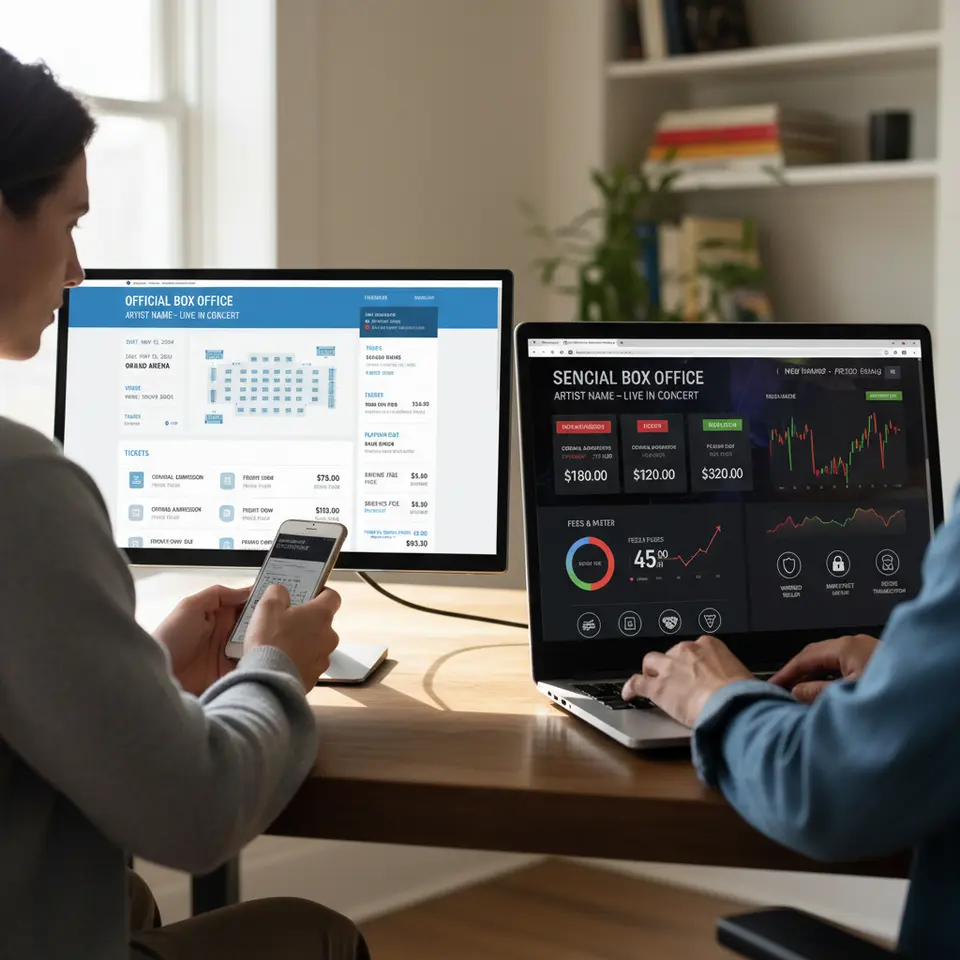
When you buy event tickets online, you’ll encounter two main types of sellers: official outlets and third-party providers. Official box offices or venue websites generally present face-value tickets with standardized service fees and transparent refund policies. These platforms often guarantee authenticity and provide direct customer support.
On the other hand, secondary marketplaces like StubHub, SeatGeek or Viagogo can fill inventory gaps once primary sales sell out. They offer dynamic pricing models where ticket costs fluctuate based on demand, sometimes leading to higher costs but also opening opportunities for last-minute deals. However, these sites typically levy additional service and delivery fees, which can inflate the final total by 20% to 40% or more.
To determine the best route, leverage aggregator tools and browser extensions that display ticket prices alongside all associated fees in one view. This comparison prevents unpleasant surprises at checkout. Additionally, verify seller ratings and guarantee policies to shield yourself from counterfeit or invalid tickets. If you decide to use a secondary platform, research its dispute resolution process and read customer reviews to gauge reliability.
Ultimately, combining official and secondary sources strategically offers the greatest flexibility. Start with the venue’s official box office, then branch out to vetted resale sites if necessary. By maintaining awareness of each platform’s fee structure, seating inventory and buyer protections, you’ll make an informed decision when you buy event tickets.
Decoding Fees and Unlocking Discounts When You Buy Event Tickets Online
When you buy event tickets online, the final price is often higher than the listed ticket cost due to additional service fees, processing charges, and delivery costs. Understanding these hidden charges is essential to avoid overspending and to make smarter purchasing decisions.
Different platforms follow different pricing structures. Some clearly display total costs upfront, while others add fees during checkout. Always review the final payment summary before confirming your order to ensure transparency in your event tickets purchase.
Common Ticket Fees Breakdown
| Fee Type | Description | Impact |
|---|---|---|
| Service Fee | Platform usage charge | Increases base ticket price |
| Processing Fee | Payment handling cost | Added during checkout |
| Delivery Fee | Digital or physical ticket delivery | Varies by method |
| Convenience Fee | Booking platform charge | Common in online systems |
Smart Ways to Reduce Ticket Costs
To save money when you buy event tickets online, consider using strategic payment methods and discount opportunities. Many platforms and financial services offer hidden benefits that can reduce overall costs.
- Use credit cards that offer cashback or reward points
- Look for exclusive presales and fee waivers from card partners
- Enable digital wallets that may include promotional discounts
- Compare multiple platforms before final purchase
- Always check final checkout price before confirming payment
Unlocking Discounts and Promo Offers
Discounts can significantly reduce the cost of event tickets if used correctly. Many organizers and platforms release promotional codes during specific campaigns or through newsletters and social media channels.
- Subscribe to official event and artist newsletters
- Follow ticketing platforms on social media for flash deals
- Keep a list of active promo codes for quick use at checkout
- Check seasonal offers and festival-based discounts
- Look for student or membership-based ticket deals
Group Booking and Bulk Savings
Group purchases are another effective way to save money when buying event tickets online. Many platforms offer discounted rates for large bookings, especially for concerts, theaters, and sports events.
- Group discounts may apply for 5–10+ tickets
- Ideal for families, friends, or corporate bookings
- Reduces per-ticket cost significantly
- Sometimes includes priority seating options
Technology Tips: Mobile, Desktop and Browser Enhancements for Buying Event Tickets Online
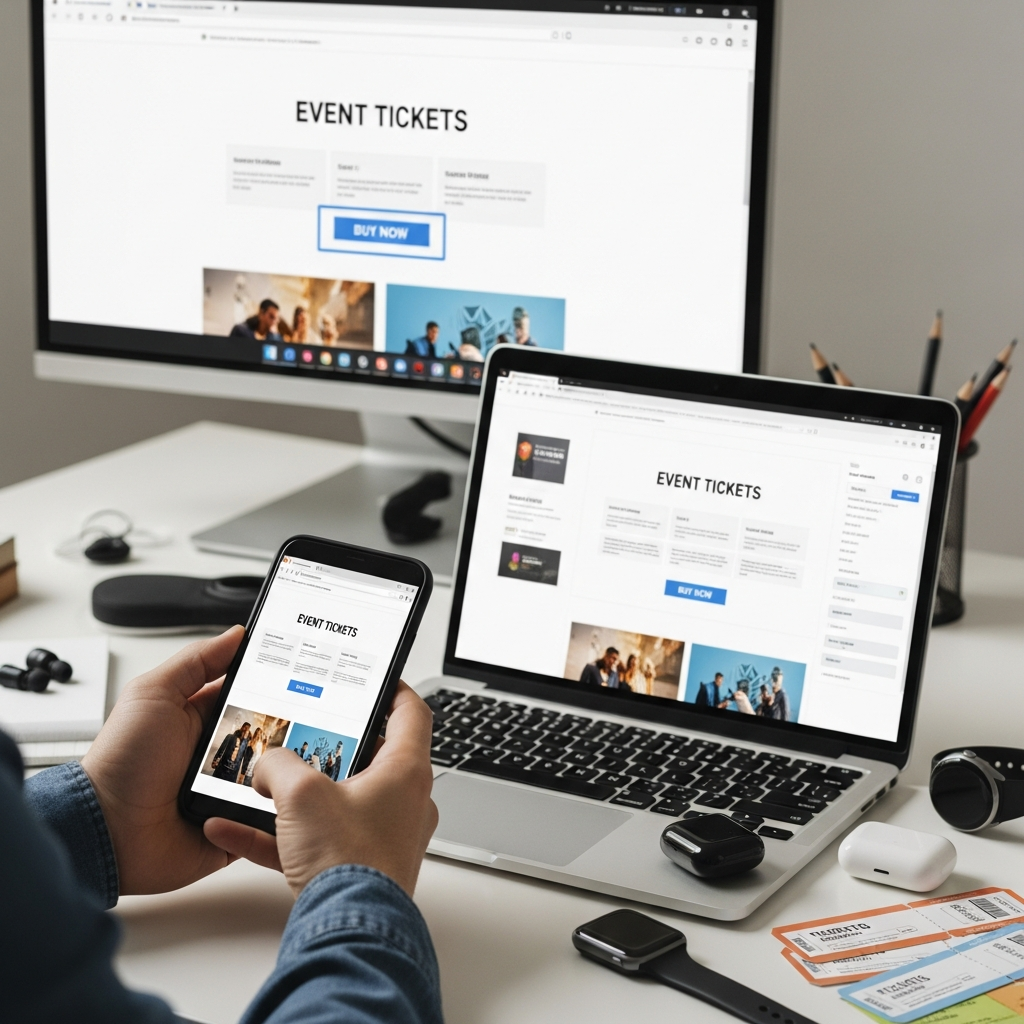 Technology plays a major role when you buy event tickets online, especially during high-demand sales where speed and timing determine success. Using the right device, browser setup, and apps can significantly improve your chances of securing the best seats before they sell out.
Mobile apps are often the fastest way to complete a purchase. Many ticketing platforms offer exclusive app-based presales or faster checkout systems. Desktop devices, on the other hand, provide more stability, especially when using a strong internet connection, making them useful for refreshing pages and handling multiple tabs during ticket releases.
Device Strategy Comparison
| Device Type | Advantages | Best Use Case |
|---|---|---|
| Mobile App | Faster checkout, exclusive offers | Presales and quick booking |
| Desktop | Stable connection, multitasking | General sale rush and comparison |
| Tablet | Balanced usability | Browsing and seat selection |
Browser Optimization Tips
To improve performance when you buy event tickets online, your browser setup should be optimized before ticket release day.
- Clear cache and cookies for faster loading
- Disable unnecessary extensions that slow performance
- Use auto-fill for quicker form completion
- Keep only essential tabs open during ticket sales
- Ensure browser is updated to the latest version
A clean and optimized browser reduces delays and increases your chances of completing checkout quickly during high-traffic sales.
Useful Tools and Enhancements
Some browser tools and features can help improve your efficiency while buying event tickets online. However, it is important to use only safe and platform-compliant tools.
- Page refresh tools to monitor ticket availability
- Seat map viewers for better selection decisions
- Auto-fill features for payment and address details
- Price tracking tools for monitoring ticket changes
Avoid unauthorized bots or automation tools, as they may violate platform rules and lead to account restrictions.
Seat Selection and Viewing Optimization
Modern ticketing platforms offer interactive seating maps and 3D venue previews, helping users make informed decisions before they buy event tickets online.
- Use 3D seat previews to check real viewing angles
- Review user-uploaded photos for real-world perspectives
- Compare balcony, floor, and side seating options
- Choose “best available” for group bookings
- Consider mid-range seats for balanced view and price
Securing and Managing Your Tickets Safely
After you buy event tickets online, proper management and security become essential to ensure a smooth and stress-free event experience. Many issues—such as incorrect details, ticket loss, or scams—can be avoided with a few careful steps taken immediately after purchase.
Post-Purchase Verification
The first step is to carefully review your ticket details right after checkout. This helps prevent problems later at the venue.
- Confirm event date and time
- Check seat number, section, and row
- Verify venue location and entry gate if mentioned
- Ensure your name and ticket information are correct
- Save confirmation emails or screenshots for backup
Keeping a digital and backup copy ensures you always have access to your event tickets.
Safe Storage and Access
Proper storage of your tickets is crucial, especially for digital formats.
- Store tickets in official apps or mobile wallets
- Keep screenshots as a backup in case of connectivity issues
- Avoid sharing ticket barcodes publicly
- Use password protection on your email and ticket accounts
These steps help prevent unauthorized access and ensure your tickets remain valid.
Avoiding Scams and Fraud
When you buy event tickets online, security risks can still arise, especially from unofficial sources.
- Avoid deals that seem unusually cheap
- Purchase only from trusted or verified platforms
- Check seller ratings and platform guarantees
- Use secure payment methods with buyer protection
- Be cautious of direct transactions through social media
Staying alert reduces the chances of receiving fake or invalid event tickets.
Ticket Transfer and Resale Safety
Sometimes you may need to transfer or resell tickets. Understanding the correct process is important.
- Use official platform transfer options only
- Avoid sending screenshots instead of verified transfers
- Confirm transfer completion before payment exchange
- Choose platforms that handle secure digital transfers automatically
This ensures both buyer and seller are protected during the transaction.
Last-Minute Ticket Strategies
If you missed the initial sale, there are still ways to secure event tickets.
- Monitor resale platforms for price drops
- Check tickets 24–48 hours before the event
- Look for last-minute releases from official sources
- Set alerts for price changes or availability
These strategies can help you find better deals closer to the event date.
Event Day Preparation
Proper planning ensures a hassle-free experience after you buy event tickets online.
- Plan transportation and arrival time in advance
- Check venue rules and entry requirements
- Keep tickets easily accessible on your device
- Coordinate with group members for seating and entry
- Arrive early to avoid delays and long queues
FAQ
Buying event tickets in today’s fast-paced, digital environment requires a blend of careful planning, savvy technology usage and financial awareness. By mapping out your purchase timeline, comparing official and secondary marketplaces, decoding fee structures, leveraging presales and preparing both mobile and desktop strategies, you gain significant advantages. Post-purchase vigilance—verifying ticket details, avoiding scams and arranging smooth transfers—ensures your live-event experiences remain memorable for all the right reasons.
As consumers continue to reshape the ticketing ecosystem, staying informed about new platforms, browser tools and promotional opportunities will keep you ahead of the crowd. Bookmark this guide, integrate these best practices into your routine and approach each event purchase with confidence. Your next live show awaits—get ready to buy event tickets and enjoy an unforgettable experience.
